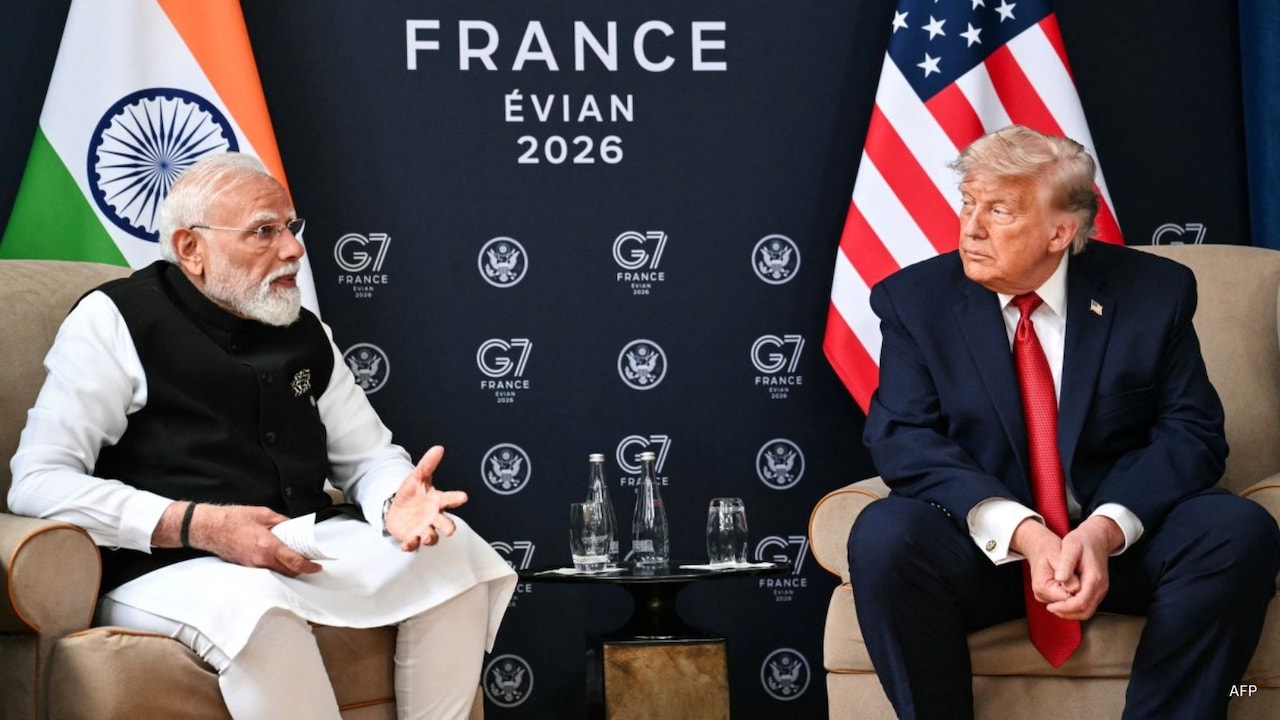
In a sweeping move to reshape global trade, Donald Trump has announced new 12.5% tariffs on China and Israel, while maintaining a 10% levy for nations like India.
Key Takeaways
- New 12.5% tariffs imposed on China and Israel.
- India, Sri Lanka, and the EU face a 10% levy if compliance fails.
- The policy aims to force international enforcement of specific trade laws.
In a decisive move that has sent ripples through global markets, US President Donald Trump has announced significant new tariffs. The administration has targeted China and Israel with a fresh 12.5% tariff, marking a sharp escalation in US trade enforcement strategies.
The Impact on India and Global Partners
While China and Israel face higher rates, nations including India, Sri Lanka, and the European Union will be hit with a 10% levy. This specific rate applies to those nations that fail to strictly enforce certain trade-related laws mandated by the administration. For India, this means the total tariff burden will remain at the 10% threshold, provided compliance is met.
Why This Matters
BozokMedia analysis shows that this is not merely a tax hike but a strategic tool for geopolitical leverage. By linking tariff rates to the enforcement of domestic laws in partner nations, the US is effectively exporting its regulatory standards. This creates a high-stakes environment for emerging economies like India to balance national sovereignty with international trade requirements.
This policy signals a shift from traditional free trade toward a model of 'enforced compliance' through economic pressure.
Historical Background: Historically, the United States has used protectionist measures to safeguard domestic industries. From the Smoot-Hawley Tariff Act of 1930 to the modern-day trade tensions with China, tariffs have consistently served as a primary instrument of American economic statecraft.
Frequently Asked Questions
Q1: Why is India being taxed at 10%?
A: The 10% rate is applied to nations that do not meet specific enforcement standards required by the new US trade policy.
Q2: How does this affect global trade stability?
A: It introduces significant volatility as countries must now align their internal laws with US expectations to avoid higher costs.