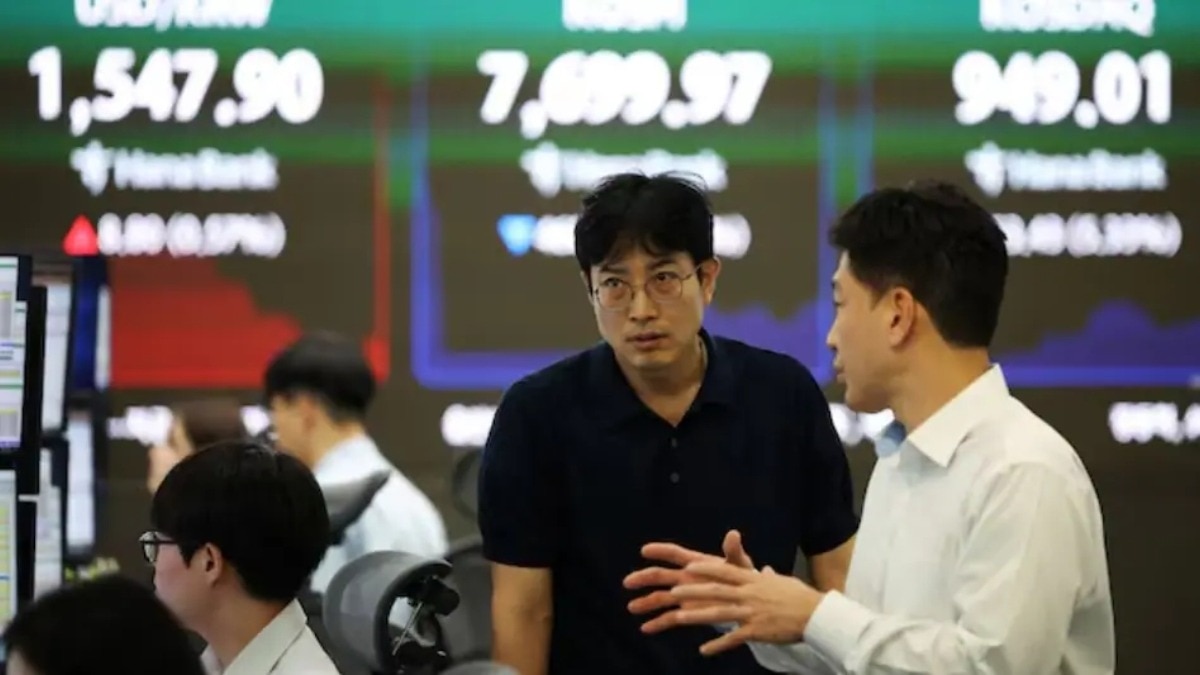
South Korea's benchmark KOSPI index plummeted by over 11% following a massive global selloff in semiconductor stocks. Major giants like Samsung and SK Hynix faced heavy losses amid rising competition from China and growing skepticism over the sustainability of AI investments.
Key Takeaways
- KOSPI index plummeted over 11%, falling below the 6,000 mark.
- Tech giants Samsung and SK Hynix led the crash with heavy losses (SK Hynix down over 12%).
- Fears of slowing artificial intelligence (AI) investments and Chinese competition triggered a broader Asian market selloff, affecting Japan and Taiwan.
The South Korean stock market experienced an unprecedented collapse on Tuesday as the benchmark KOSPI index plummeted by more than 11%. The dramatic downturn was triggered by a massive global selloff in semiconductor and technology shares, leaving investors shocked and scrambling. Opening at 6,400 points—well below its previous close of 6,755.75—the index rapidly spiraled downward to hit a low of 5,992.91 within hours of trading.
The primary catalyst behind this financial earthquake was a brutal selloff in semiconductor stocks. Industry giants SK Hynix and Samsung Electronics, which together represent half of South Korea's total chip market capitalization, saw their valuations crumble. SK Hynix plunged by over 12%, while Samsung faced relentless selling pressure. This massive decline sent shockwaves across other major Asian indices, causing Japan's Nikkei 225 and Taiwan's TAIEX to tumble by over 4% each.
Why This Matters
BozokMedia analysis shows that the semiconductor industry acts as the bedrock of East Asian export-led economies. A sudden valuation correction in AI-associated hardware signals that the global market may be recalibrating its expectations for artificial intelligence growth, shifting from speculative hype to actual revenue generation. Rising competition from Chinese chipmakers has further squeezed profit margins, sparking fears of a long-term supply glut.
"The massive selloff in South Korean chipmakers reflects a deeper structural anxiety regarding the overvaluation of AI-related hardware and intensifying geopolitical competition from Chinese manufacturers."
The global semiconductor market has been under immense pressure due to growing skepticism over the massive capital expenditure allocated to Artificial Intelligence (AI) infrastructure. Investors are increasingly questioning whether the returns on AI investments will materialize fast enough to justify current stock valuations. This uncertainty, coupled with aggressive pricing strategies from Chinese competitors, has forced institutional investors to trim their exposure to high-flying tech stocks, leading to a regional market rout.
| Index | Country | Decline (%) | Primary Sector Affected |
|---|---|---|---|
| KOSPI | South Korea | -11.2% | Semiconductors & Memory Chips |
| Nikkei 225 | Japan | -4.0% | Tech & Electronics Export |
| TAIEX | Taiwan | -4.2% | Foundry & Chip Packaging |
Frequently Asked Questions
Q1: Why did South Korea's stock market crash?
A1: The crash was primarily driven by a massive selloff in semiconductor stocks like Samsung and SK Hynix, fueled by fears of slowing AI investments and rising competition from China.
Q2: Did this crash affect other Asian stock markets?
A2: Yes, Japan's Nikkei 225 and Taiwan's TAIEX both dropped by over 4% due to the regional reliance on the tech and semiconductor supply chain.