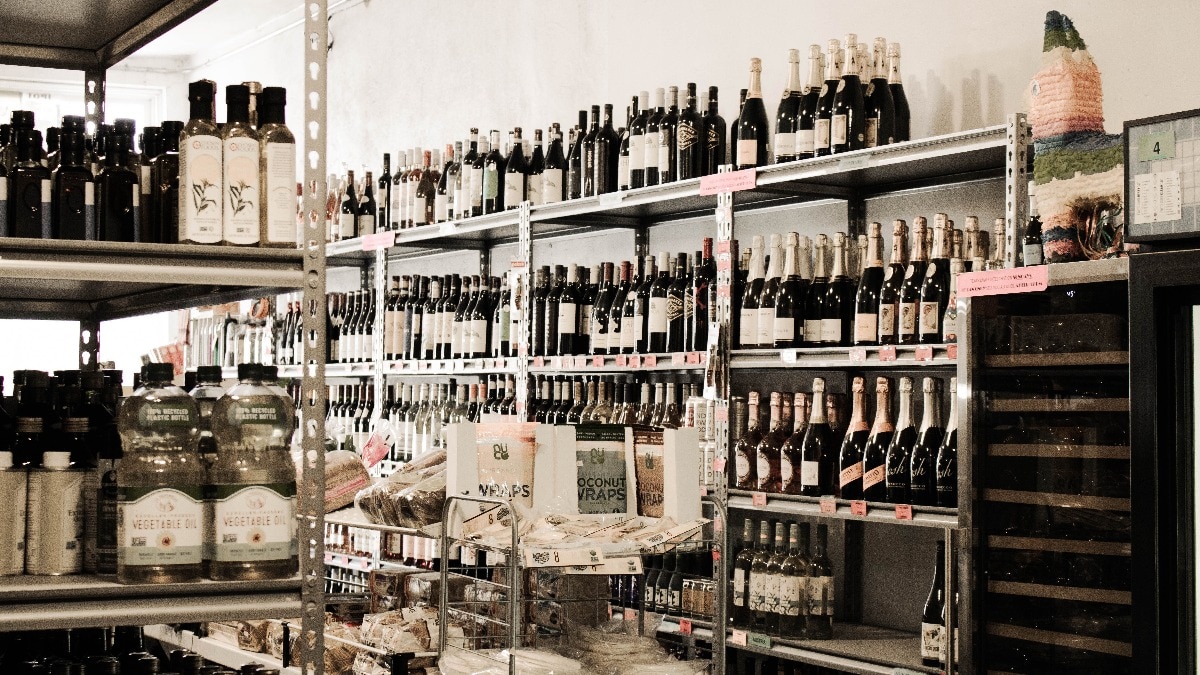
Is the liquor business a goldmine? Discover the reality behind the massive sales and the actual profit margins earned by shop owners in India.
Key Takeaways
- The liquor business operates on a 'High Volume, Low Margin' model.
- Profit margins vary significantly by product type (Beer vs. Wine).
- Location is the single most critical factor for revenue.
- Average gross margins typically range between 6% to 9%.
There is a widespread perception in India that liquor shop owners are exceptionally wealthy. The logic seems simple: alcohol demand is constant, regardless of whether the shop is in a bustling metropolis or a small town. However, the reality is far more nuanced and governed by strict state regulations and fixed profit margins.
The Profit Equation: Location and Volume
Earnings in this sector do not just depend on how much you sell, but where you sell and how well you manage your inventory. BozokMedia analysis shows that profitability is driven by four primary factors: location, footfall, state excise policies, and store management.
Earnings Based on Urbanization and Location
In small towns or semi-urban areas, a shop might see monthly sales of ₹10–25 lakhs, but with a slim profit margin of 5–8%. This translates to a monthly income of ₹50,000 to ₹1.5 lakhs. In contrast, a well-located shop in a major city center might see sales of ₹30–70 lakhs, yielding a monthly profit of ₹2 to ₹5 lakhs.
The real heavyweights are found in metro cities or tourist hubs like Goa, Mumbai, or Delhi. In these high-demand zones, a single outlet can exceed ₹1 crore in monthly sales, with net profits reaching anywhere between ₹6 lakhs to ₹12 lakhs due to higher margins on premium products.
The liquor trade is not a high-margin business; it is a high-volume, low-margin business.
Margin Breakdown by Alcohol Type
Different categories of alcohol offer varying levels of commission to the retailers. The following table illustrates the typical profit margins:
| Alcohol Type | Estimated Margin (%) |
|---|---|
| Beer | 3% - 6% |
| IMFL (Whisky, Vodka, Rum) | 6% - 10% |
| Premium/Imported Spirits | 10% - 18% |
| Wine | 10% - 20% |
It is crucial to note that these figures represent gross profits. Shop owners must deduct significant operational expenses, including rent, staff salaries, electricity, breakage, and slow-moving stock from this amount.
Why This Matters
Understanding this business model reveals why sudden shifts in state excise policies or tax structures can make or break a retailer. It is a highly regulated environment where control over inventory is as important as the sales itself.
Frequently Asked Questions
1. Is the liquor business highly profitable?
While sales volumes can be massive, the profit margins are strictly regulated and often quite low.
2. Which alcohol type offers the highest margin?
Wine and premium imported spirits typically offer the highest margins, ranging from 10% to 20%.
