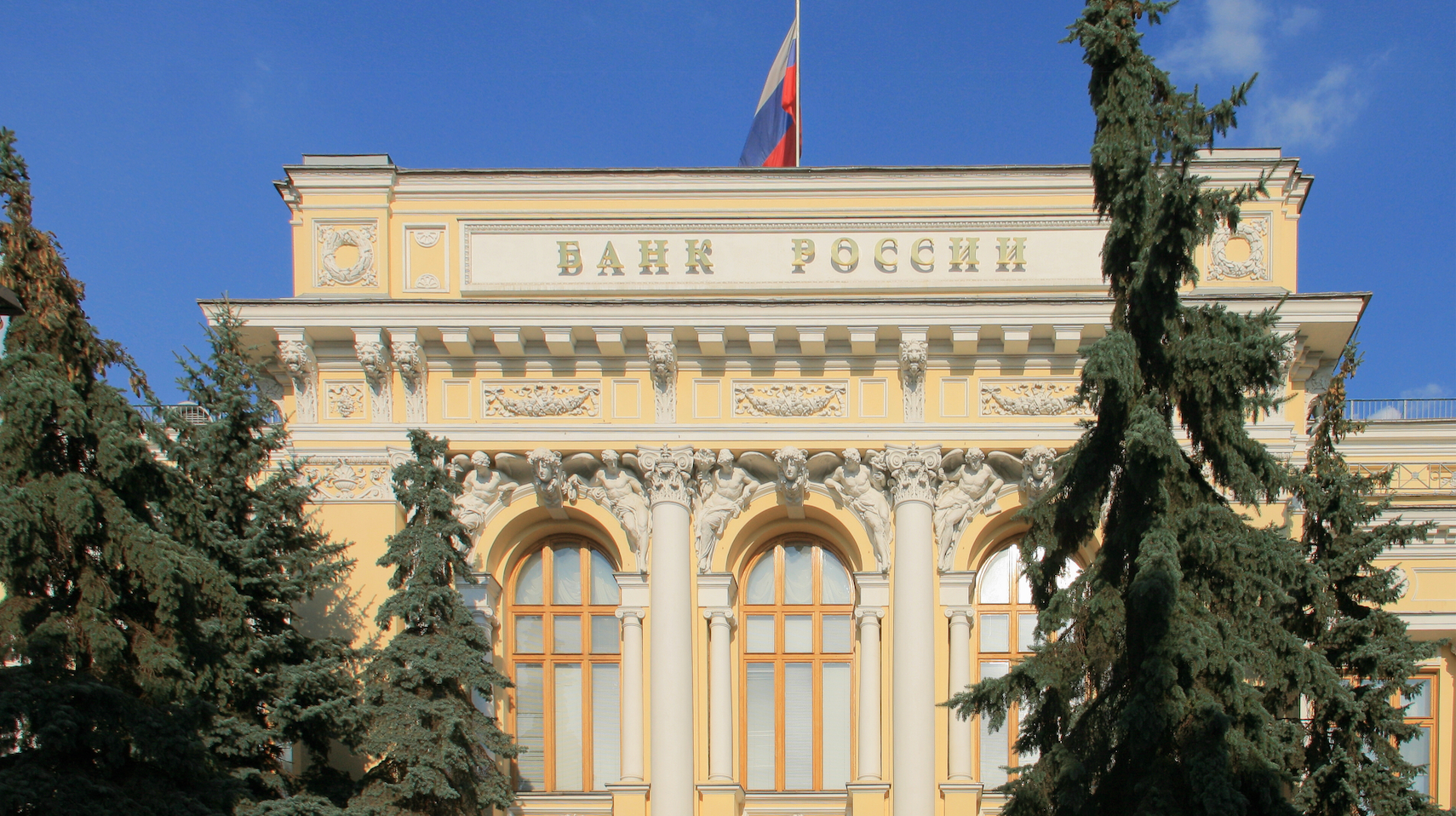
In response to escalating Western sanctions, the Bank of Russia has unveiled draft regulations to formalize the cryptocurrency market through new 'digital depositories'.
Key Takeaways
- Russia is preparing to roll out a comprehensive digital assets framework by September.
- New 'digital depositories' will require capital ranging from 50 million to 250 million rubles.
- The move follows the EU's 21st sanctions package targeting Russian-linked crypto entities.
The Bank of Russia has officially published draft regulations aimed at creating an organized and regulated cryptocurrency market. This move comes as the nation prepares for a sweeping digital assets framework scheduled for implementation this September. The proposed rules seek to extend existing securities market protocols—including exchange trading, custody, and disclosure—to the realm of digital assets.
A central component of this framework is the establishment of 'digital depositories'. These will be regulated entities responsible for recording the holdings of cryptocurrencies and other digital assets. To ensure market stability, the central bank has proposed tiered capital requirements based on the specific services provided by these firms.
Capital Requirement Breakdown
| Type of Depository | Required Capital (Rubles) | Approx. Value (USD) |
|---|---|---|
| Settlement Depositories | 250 Million | ~$2.8 Million |
| Firms with Foreign Custodians | 100 Million | ~$1.1 Million |
| Other Digital Depositories | 50 Million | ~$570,000 |
BozokMedia analysis shows that this regulatory acceleration is a direct strategic response to the geopolitical climate. Following the European Union's announcement of its 21st sanctions package—which targets 14 crypto firms—Russia is moving to consolidate control over its domestic digital economy to mitigate the impact of external financial pressures.
Russia's pivot toward regulated digital assets is a calculated maneuver to build a financial buffer against Western economic warfare.
Historical Background
The journey toward crypto-regulation in Russia has been complex, moving from outright bans to structured legal frameworks. Recent legislative actions by the State Duma and the Federation Council have paved the way for this September rollout, signaling a shift from treating crypto as a threat to viewing it as a vital component of modern financial infrastructure.
Frequently Asked Questions
1. When will the new Russian crypto rules take effect?
The framework is expected to come into full force by September 2026.
2. What is the purpose of a digital depository?
They act as official record-keepers for digital asset holdings, ensuring transparency and security in the market.