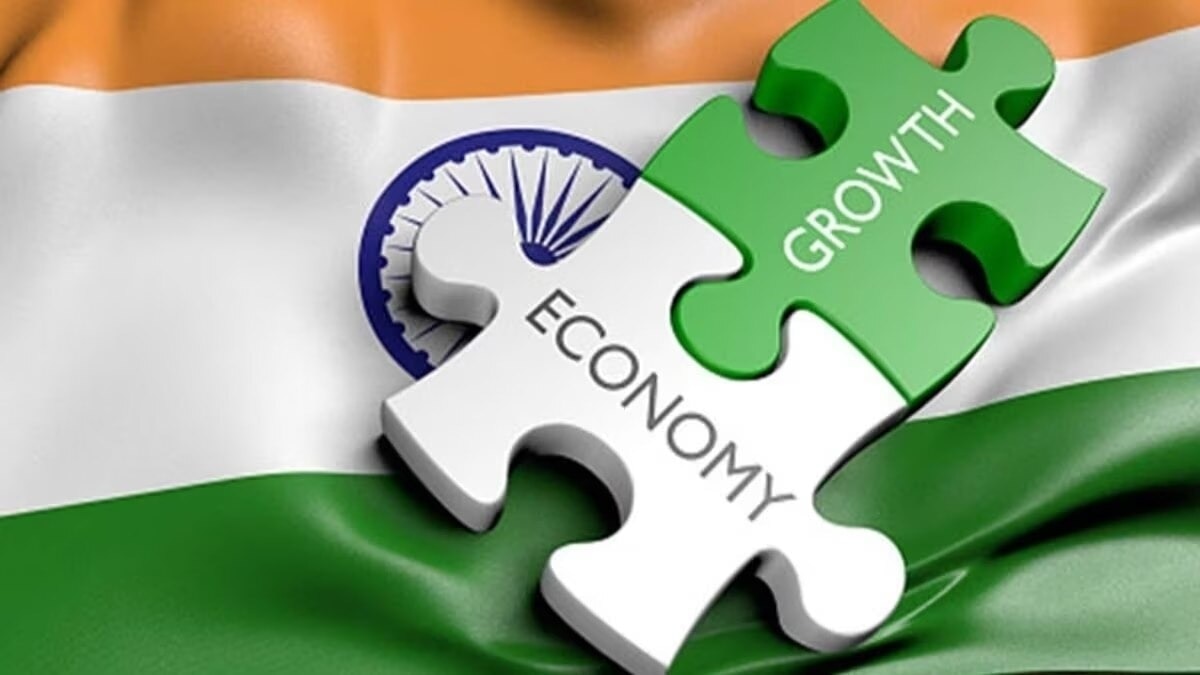
While India is climbing the global economic ladder at record speeds, experts suggest that economic size is only one piece of the puzzle. True global leadership requires a potent mix of economic strength and soft power.
Key Takeaways
- India is among the world's fastest-growing major economies.
- Economic size alone does not dictate global leadership.
- Soft power—culture, diplomacy, and innovation—is a vital pillar.
- The Indian diaspora acts as a powerful global ambassador.
India is rapidly ascending the global economic ladder, playing an increasingly influential role in discussions ranging from trade and technology to climate change and geopolitics. However, a critical question remains: Is a soaring GDP enough to secure India's place as a global leader?
The Balance of Economic and Soft Power
History demonstrates that lasting global influence is built not just through exports or economic might, but through the ideas a nation shares, the institutions it constructs, and the trust it inspires. This is the essence of 'Soft Power'—the ability to shape global opinion through culture, education, and diplomacy.
Why This Matters: BozokMedia Analysis
BozokMedia analysis shows that India possesses a unique structural advantage. Beyond its economic growth, India’s identity as the world's largest democracy, its youthful demographic dividend, and its vast cultural heritage provide a foundation for influence that goes far beyond balance sheets.
A nation's global power is not just measured by economic growth; its ability to inspire trust and build partnerships through soft power is equally vital.
The Indian diaspora, numbering over 35 million, serves as a living bridge between India and the rest of the world. From leading multinational corporations to influencing academic and political landscapes, this community strengthens India's institutional and economic ties globally.
The Digital and Cultural Frontier
India's influence is also being felt through its Digital Public Infrastructure (DPI). Innovations like UPI and Aadhaar have become global models for financial inclusion. Simultaneously, cultural exports like Yoga and Ayurveda have integrated Indian traditions into the daily lives of millions worldwide, creating a massive reservoir of goodwill.
Historical Background
Historically, India was a center of global learning and trade, influencing much of Asia through its intellectual and commercial prowess. The current era marks a transition where India seeks to combine its traditional cultural influence with cutting-edge technological innovation to reclaim its status on the world stage.
Frequently Asked Questions
1. What is Soft Power?
Coined by Joseph Nye, soft power is a country's ability to attract and co-opt rather than coerce through culture, values, and policies.
2. How does the diaspora help India?
The Indian diaspora enhances India's reputation and builds lasting economic and institutional relationships with host nations.