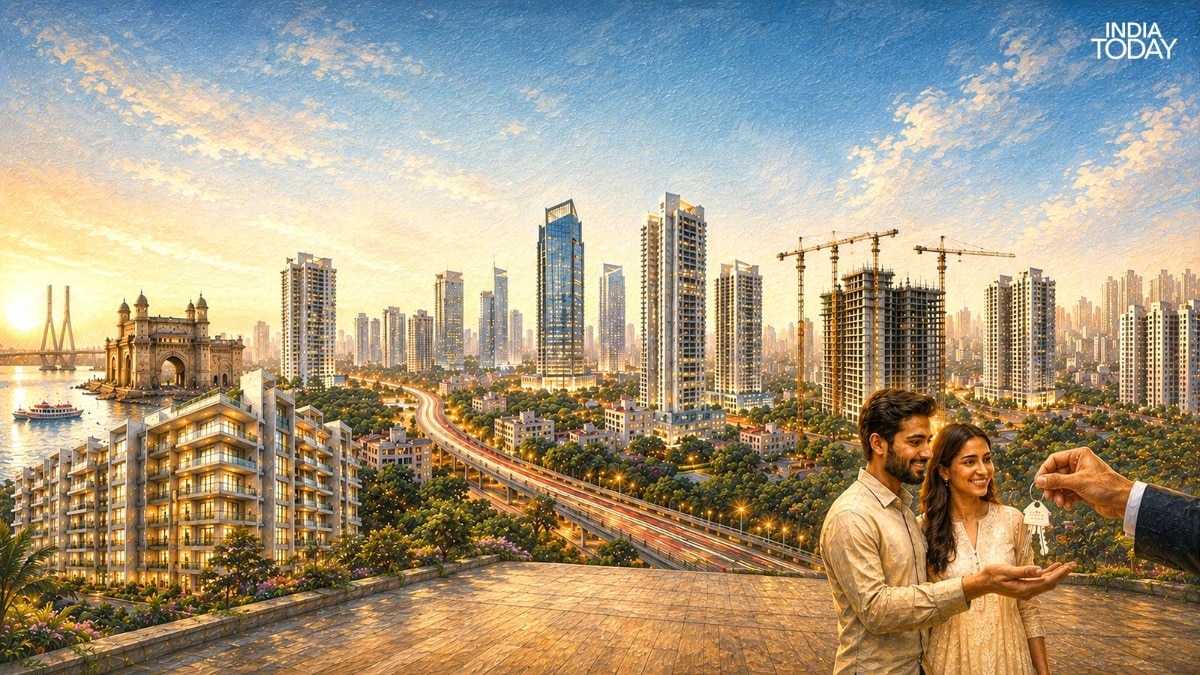
A massive concentration of India's residential market is unfolding, with four cities—Bengaluru, Mumbai, Pune, and Delhi-NCR—accounting for 77% of total sales in top metropolitan areas.
Key Takeaways
- Bengaluru, Mumbai, Pune, and Delhi-NCR dominate 77% of sales across India's top seven cities.
- Premium housing (above ₹1 crore) now constitutes 71% of residential sales.
- Mumbai and Bengaluru alone account for nearly half of the total sales volume.
- Infrastructure development and job hubs are the primary drivers of this concentration.
The Indian housing market is witnessing an unprecedented concentration of demand. According to JLL's Q1 FY26 data, the 'Big Four'—Bengaluru, Mumbai, Pune, and Delhi-NCR—together accounted for 77% of the 70,631 homes sold across the country's top seven cities. This trend highlights a massive shift toward established metropolitan hubs.
The Surge in Premium Housing
It is not just the location that is changing, but the very nature of what is being bought. The market is rapidly moving up the value chain. Homes priced above ₹1 crore now represent 71% of residential sales, a significant jump from 59% just a year ago. This shift is driven by rising disposable incomes and a post-pandemic desire for larger, lifestyle-oriented living spaces.
Why This Matters: BozokMedia Analysis
BozokMedia analysis shows that this concentration is a byproduct of economic centralization. While Tier-II cities are growing, the massive capital and infrastructure investments are heavily skewed toward these four metros, creating a self-sustaining cycle of demand, high-end supply, and professional migration.
The dominance of these cities is fueled by their status as India's largest employment hubs and their massive-scale infrastructure developments.
While investors play a significant role in the luxury segments of Mumbai and Bengaluru, industry experts note that nearly 71% of the overall residential demand is still driven by genuine end-users seeking stability and proximity to work.
Historical Background
Historically, India's real estate growth has been closely tied to its industrial and technological evolution. The rise of the IT sector in the late 90s propelled Bengaluru, while the financial liberalization of the economy cemented Mumbai's status. As urban populations surged, the expansion of metro networks and expressways turned these cities into unstoppable economic engines.
Frequently Asked Questions
1. Which cities are driving India's housing market?
Bengaluru, Mumbai, Pune, and Delhi-NCR are the primary drivers.
2. Why is the demand for expensive homes increasing?
Higher incomes, lifestyle aspirations, and a supply-side shift by developers are driving the premium segment.
