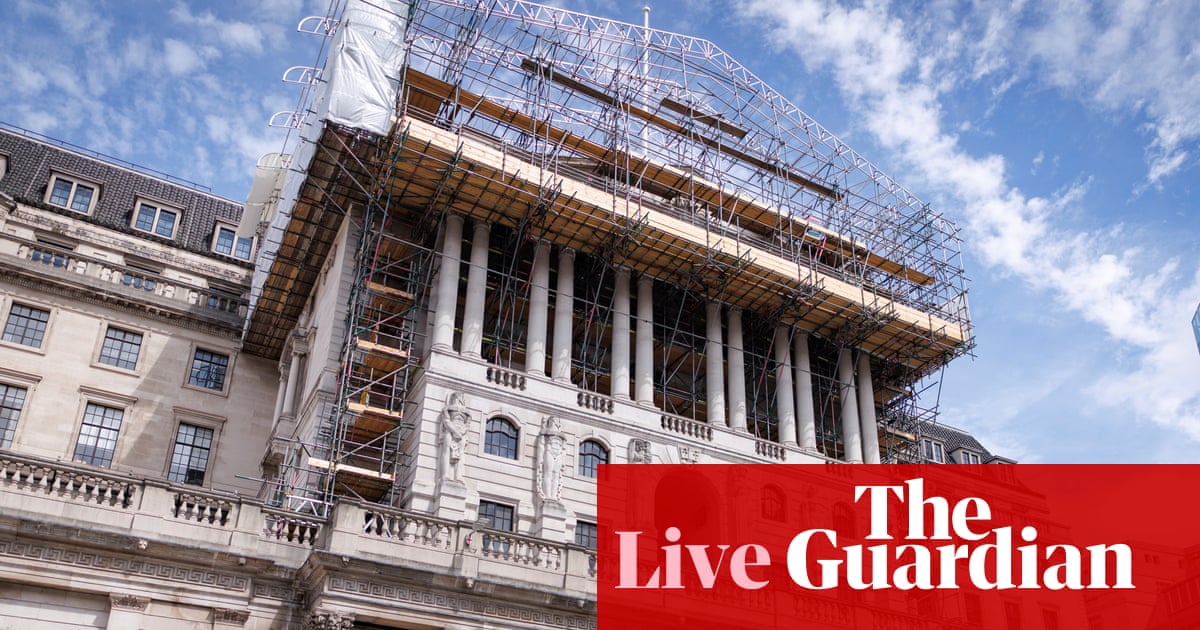
The Bank of England has opted to keep interest rates steady at 3.75%, even as internal dissent grows regarding potential inflation spikes linked to Middle East tensions.
Key Takeaways
- Bank of England holds the official bank rate at 3.75%.
- Internal disagreement: Catherine Mann voted for a rate hike.
- Geopolitical risks from Iran pose a significant inflation threat.
London: In a pivotal move for the UK economy, the Bank of England has decided to maintain its benchmark interest rate at 3.75%. This decision comes at a time of heightened global uncertainty, as geopolitical tensions involving Iran threaten to disrupt energy markets and drive up inflation.
Internal Policy Dissent
While the headline rate remains unchanged, the decision was not unanimous. Catherine Mann joined Huw Pill and Megan Greene in voting for an increase in interest rates. This internal divide highlights the growing concern among policymakers that current levels may not be sufficient to combat looming inflationary pressures.
Why This Matters
BozokMedia analysis shows that the Bank is navigating a high-stakes balancing act. By holding rates, they aim to avoid stifling economic growth; however, the risk of a 'supply-side shock' from the Middle East means that the fight against inflation is far from over. Any escalation in the Iran conflict could force the Bank's hand in future meetings.
The decision to hold reflects a cautious approach, but the internal vote suggests the central bank is on high alert for sudden inflationary spikes.
Historical Background: Following a period of rapid interest rate hikes to combat post-pandemic inflation, the Bank of England has been searching for the 'neutral rate'—a level that neither stimulates nor restricts economic activity.
Frequently Asked Questions
1. Why did some members vote for a rate increase?
Members like Catherine Mann believe that geopolitical risks could trigger higher inflation, requiring a more restrictive monetary policy.
2. How does the Iran conflict affect interest rates?
Conflict in the Middle East can lead to higher oil prices, which increases the cost of living and forces central banks to consider higher rates to curb inflation.
