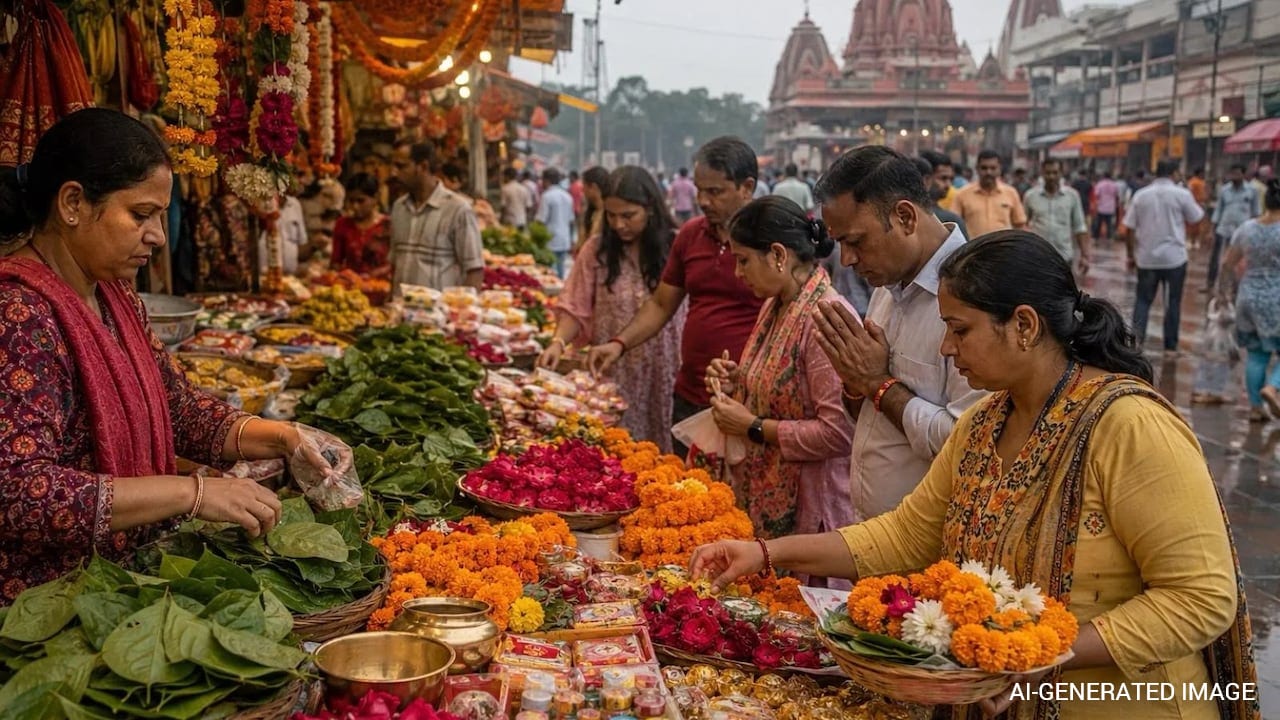
Beyond spiritual rituals, the month of Sawan acts as a massive economic catalyst, fueling a micro-economy worth approximately ₹1.5 lakh crore through religious consumption.
Key Takeaways
- Sawan-linked religious consumption contributes nearly ₹1.5 lakh crore to the local economy.
- Temple markets, sweet shops, and small-scale vendors experience a massive surge in sales.
- Key drivers include travel, food, apparel, and ritual-specific gifting.
While the month of Sawan is primarily observed for spiritual devotion and fasting, it serves as a colossal engine for India's micro-economy. The seasonal surge in religious activities triggers a massive wave of consumption that ripples through various sectors of the informal economy.
Drivers of Seasonal Consumption
The economic boom during Sawan is driven by a diverse range of consumer behaviors. From the massive influx of pilgrims traveling to holy sites, which boosts the transportation and hospitality sectors, to the skyrocketing demand for ritualistic items like flowers, incense, and traditional sweets. Small-scale vendors and local artisans find their most profitable period during this time, selling everything from specialized apparel to devotional offerings.
Why This Matters
BozokMedia analysis shows that these seasonal religious cycles are vital for the resilience of India's informal sector. Unlike organized retail, this micro-economy directly empowers millions of small entrepreneurs, street vendors, and local craftsmen, ensuring that wealth is distributed deeply into rural and semi-urban pockets of the country.
The Sawan economic cycle is a testament to how cultural traditions can drive massive, decentralized financial growth.
Historical Background: Historically, pilgrimage routes in India have been the backbone of trade and commerce. Ancient temple towns were among the first organized economic hubs, a trend that continues to evolve in the modern era through seasonal religious surges.
Frequently Asked Questions
1. Which sectors benefit most from the Sawan season?
The primary beneficiaries are the food and beverage industry, local transport, religious item vendors, and the textile industry.
2. How does this impact the informal economy?
It provides a significant liquidity injection into the informal sector, supporting millions of micro-entrepreneurs.
