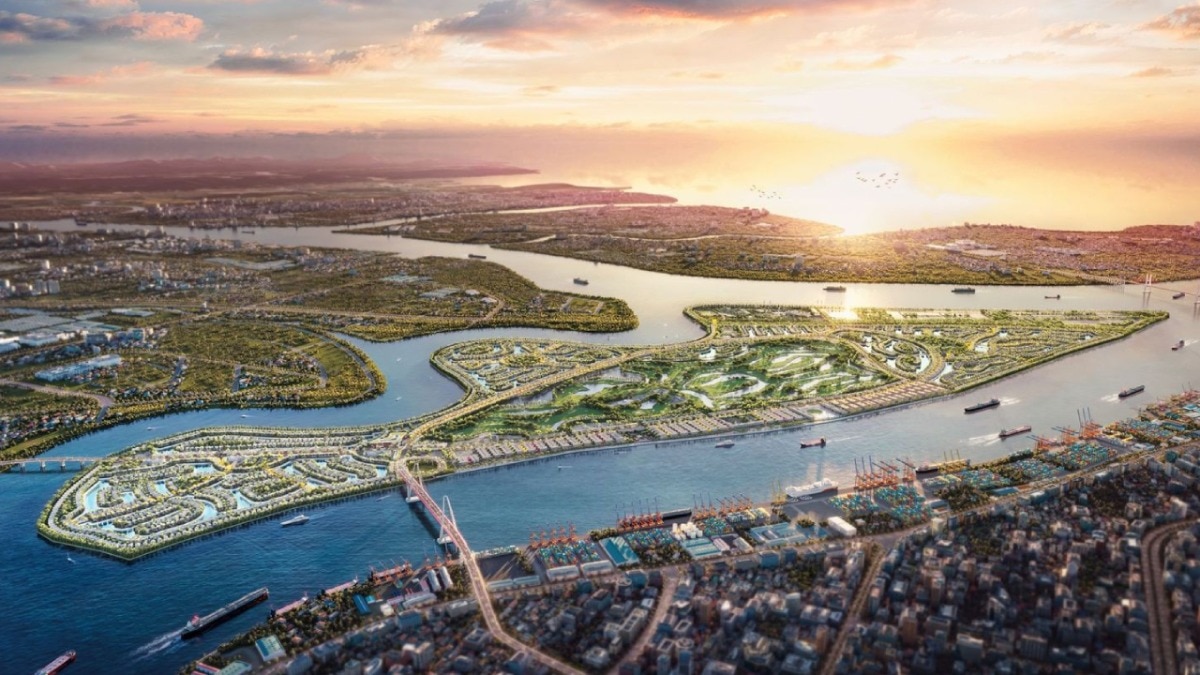
Developers are shifting focus from luxury amenities to climate resilience, reshaping premium housing. Investors now view climate‑proof buildings as low‑risk, long‑term assets.
Key Takeaways
- Developers are prioritising climate resilience over traditional luxury amenities.
- Investors view climate‑proof buildings as lower‑risk, long‑term assets.
- Urban projects are shifting towards self‑sustaining ecosystems.
Introduction
Increasing floods, heatwaves and water scarcity have forced the real estate sector to rethink what defines a premium property. Bigger balconies are no longer the hallmark of luxury; climate resilience now tops the checklist.
Historical Background
For the past two decades, India's high‑end housing market emphasized larger apartments, private clubs, and swimming pools. After 2010, global climate impacts prompted a shift, with projects like Singapore’s Tengah Forest Town leading the way in eco‑centric design.
Climate Resilience Becomes an Investment Metric
Institutional investors are now evaluating projects not just on location and returns but also on flood‑risk, heat stress mitigation, water‑use efficiency, and biodiversity preservation. Buildings that can withstand climate shocks are increasingly seen as low‑risk, long‑lasting assets.
Why This Matters
BozokMedia analysis shows that climate‑resilient infrastructure delivers both environmental and economic upside, making it a core criterion in future urban planning.
"Climate‑resilient housing not only safeguards occupants, it also guarantees stable returns for investors," says real‑estate analyst Anjali Singh.
Frequently Asked Questions
Question 1: Will climate‑resilient features increase property prices?
Answer: Yes, reduced long‑term risk and heightened investor demand can drive higher valuations.
Question 2: Which key technologies are driving this shift?
Answer: Rainwater harvesting, solar power, smart energy management, and EV‑charging infrastructure are leading the transformation.