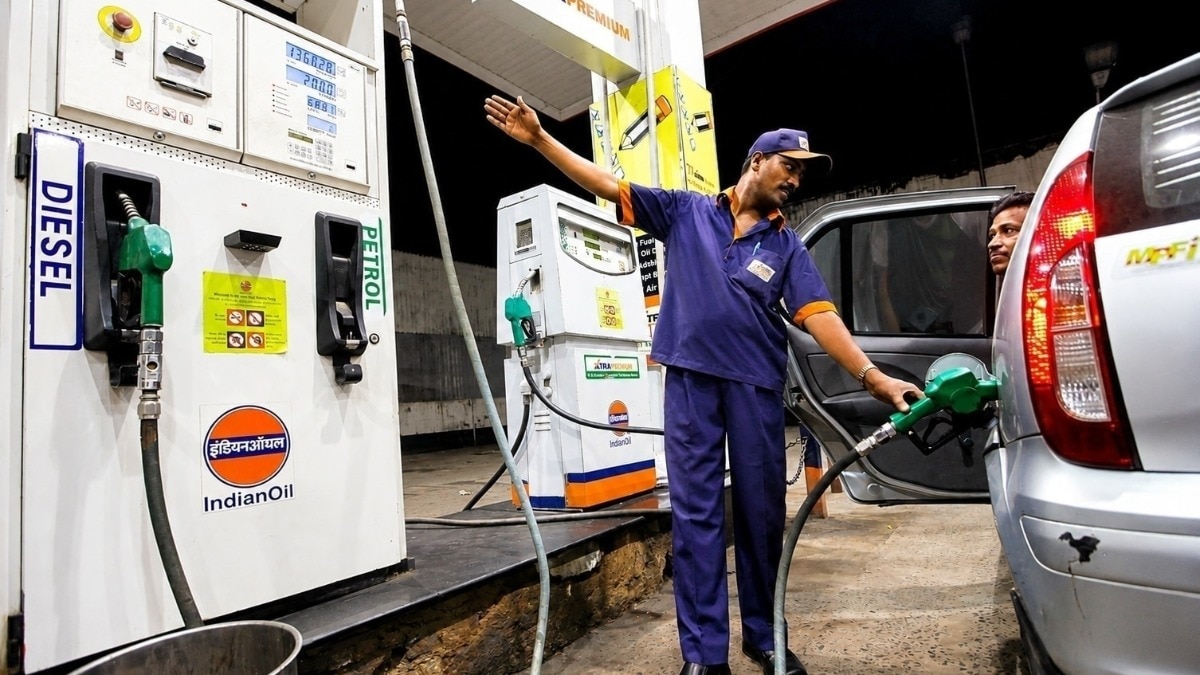
The Indian government asserts that the E20 ethanol blending policy prevented petrol prices from skyrocketing to ₹125 per litre during the height of the Middle East tensions. Consumers effectively saved ₹30 per litre due to this strategic move.
Key Takeaways
- The E20 petrol policy acted as a buffer against global crude oil price volatility.
- Crude oil prices surged to $135 per barrel during the Iran-Israel conflict.
- Ethanol blending kept average petrol prices around ₹95 instead of a potential ₹125.
- The government clarified that subsidized food grains are not used for ethanol production.
The Indian government has made a significant claim defending its E20 petrol policy. Amidst rising criticism, the Petroleum Ministry stated that if not for ethanol blending, petrol prices could have hit a staggering ₹125 per litre during the peak of the geopolitical tensions in the Middle East.
During the escalation of the conflict involving Iran and Israel, the Strait of Hormuz—a critical maritime route for 20% of global oil and gas imports—faced severe disruptions. This caused global crude oil prices to surge to approximately $135 per barrel. The Ministry noted that while crude prices spiked, the 20% ethanol blend helped stabilize domestic petrol prices at around ₹94.77 per litre.
Why This Matters
BozokMedia analysis shows that as India imports nearly 85% of its crude oil requirements, any disruption in global supply chains translates directly into domestic inflation. The E20 policy serves as a form of 'Energy Insurance', reducing the nation's vulnerability to external shocks and stabilizing the cost of living for the common man.
Ethanol blending is not just a fuel policy; it is a strategic hedge against global energy volatility.
However, the policy remains a point of contention. Opponents and vehicle owners have raised concerns regarding reduced mileage and increased engine maintenance costs associated with E20 fuel. While the government acknowledges the slight drop in mileage, it maintains that the macroeconomic benefits far outweigh these individual inconveniences.
Impact Comparison: Crude Oil Crisis
| Scenario | Crude Oil Price (per barrel) | Estimated Petrol Price (per litre) |
|---|---|---|
| Without E20 (Pure Petrol) | $135 | ₹125 |
| With E20 (20% Ethanol) | $135 | ₹95 |
Furthermore, the government addressed concerns regarding food security. It explicitly denied that subsidized rice from the Food Corporation of India (FCI) is being diverted for ethanol production, asserting that food security remains a top priority.
Frequently Asked Questions
1. What does E20 petrol mean?
E20 refers to a blend of 20% ethanol and 80% petrol.
2. Does E20 affect my car's engine?
While modern engines are being designed for it, older vehicles may experience slight changes in mileage or require specific maintenance.