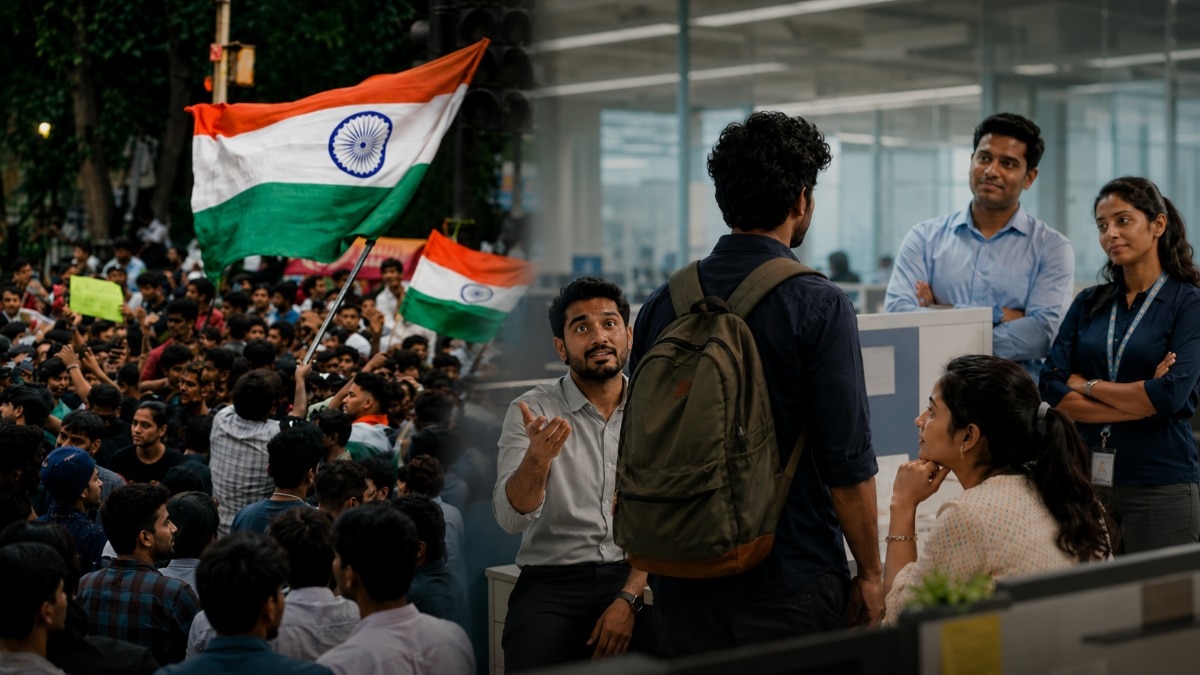
Indian companies are split on the rising protest culture of Gen Z employees. While some see it as a catalyst for innovation, others view it as a disruptive headache for the workplace.
Key Takeaways
- Gen Z workers are increasingly vocal on social issues
- Employer reactions range from support to concern
- Potential long‑term impact on corporate culture
Recent survey data reveals that 68% of Indian employers label Gen Z activism as a "heroic" force, whereas 32% consider it a "headache" that threatens productivity. Companies are adding flexibility to attract this cohort, yet remain wary of sustained protest momentum.
Historically, India has witnessed large‑scale youth movements—from the 1970s anti‑Emergency protests to the 2010 NGO rallies—that reshaped societal norms. Gen Z continues this legacy through digital platforms, compelling employers to adapt to a new era of workplace dissent.
Why This Matters
BozokMedia analysis shows that corporate competitiveness now hinges not only on product quality but also on employees' social consciousness and its expression. Embracing this trend can boost brand reputation and talent acquisition.
"Suppressing Gen Z's voice erodes a company's innovative edge," says HR strategist Dr. Anita Sharma.
Frequently Asked Questions
- What drives Gen Z protests at work? Core motivations include social justice, environmental sustainability, and workplace transparency.
- How can employers address this trend? Strengthening dialogue, establishing clear policies, and involving employees in decision‑making are effective strategies.