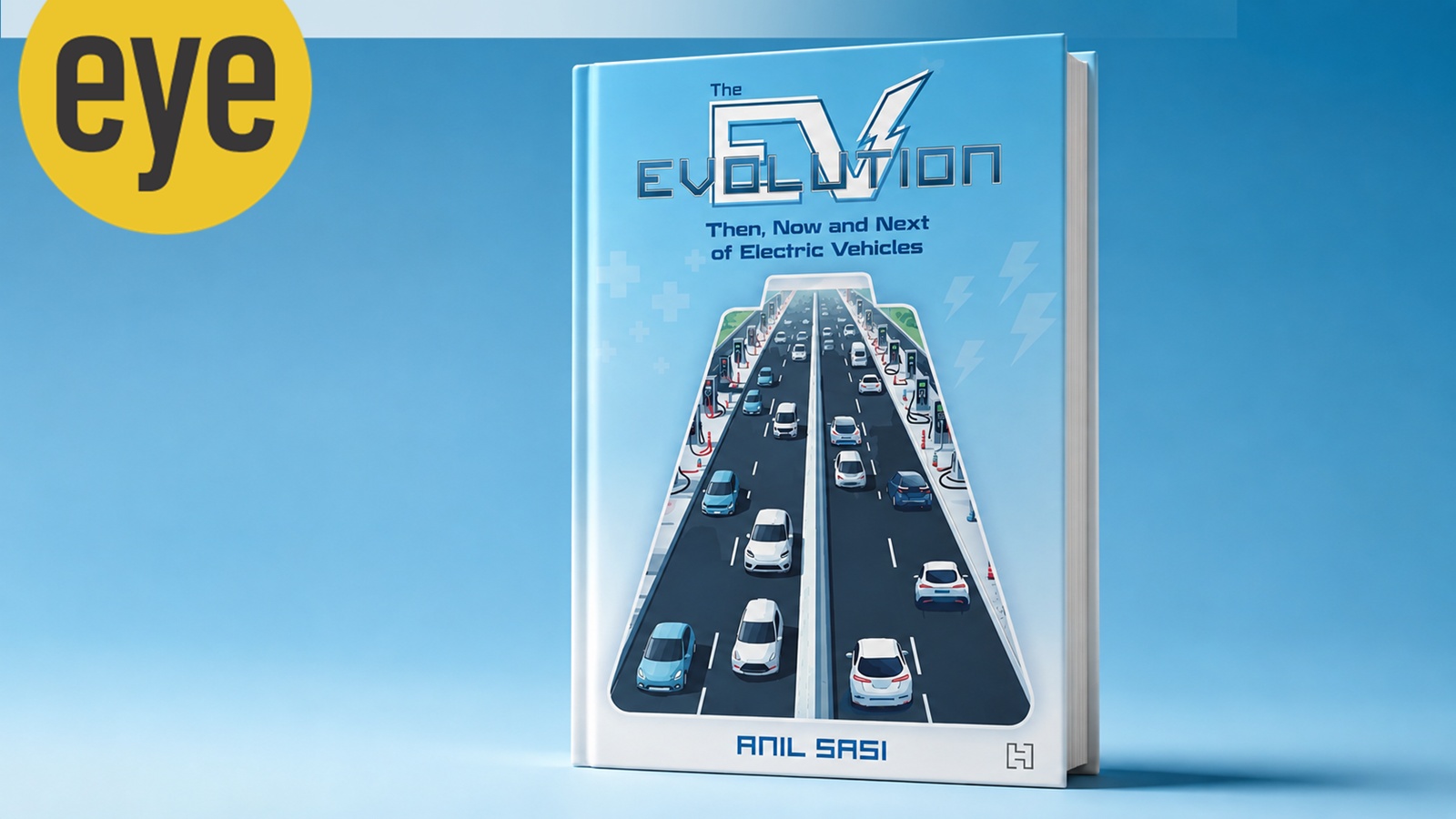
Anil Sasi's 'The EV Evolution' provides a pragmatic and deeply reported guide to India's complex transition toward electric mobility, avoiding both blind optimism and skepticism.
Key Takeaways
- Anil Sasi's book offers a balanced view of India's EV transition.
- India's path differs significantly from high-subsidy models like Norway or manufacturing giants like China.
- The book covers critical aspects like battery chemistry, supply chains, and infrastructure.
- A technology-neutral approach is recommended for India's unique economic landscape.
In the midst of a noisy debate surrounding the inevitability of electric vehicles, Anil Sasi, National Business Editor at The Indian Express, delivers a timely intervention with his book, 'The EV Evolution'. Rather than acting as a cheerleader for EVs or a skeptic of the movement, Sasi provides a deeply reported, pragmatic guide to one of the most significant industrial transformations of our era.
A Unique Path for India
A central theme of the book is that India cannot simply replicate the models of Norway or China. While Norway utilized massive subsidies and China built a state-backed manufacturing empire, India must navigate a path constrained by income levels, infrastructure gaps, and energy security concerns. Sasi expertly explores how these geopolitical and economic realities shape the country's automotive landscape.
Why This Matters
BozokMedia analysis shows that the global automotive narrative is shifting away from a single-track obsession with Battery Electric Vehicles (BEVs). As hybrid vehicles see a resurgence in advanced economies and battery technology continues to fluctuate, India's ability to remain technology-neutral could be its greatest strategic advantage. The book highlights that flexibility might be more valuable than ideological commitment to a single powertrain.
Electric mobility is not a destination, but a journey whose route remains open to multiple technological outcomes.
The book's strength lies in its accessibility. Sasi translates complex technical concepts—from battery chemistry to rare-earth mineral dependence—into plain English, making it relevant for both policymakers and the general public. While some may find his refusal to declare a definitive 'winner' between hybrids and EVs frustrating, his intellectual honesty reflects the current volatility of the tech landscape.
Frequently Asked Questions
1. Does the book recommend buying an EV right now?
The book focuses on the systemic evolution rather than consumer advice, suggesting that understanding the technological trends is key to making an informed decision.
2. Why is India's EV transition different from China's?
Unlike China's state-led manufacturing dominance, India's transition is heavily influenced by unique infrastructure challenges and consumer income levels.