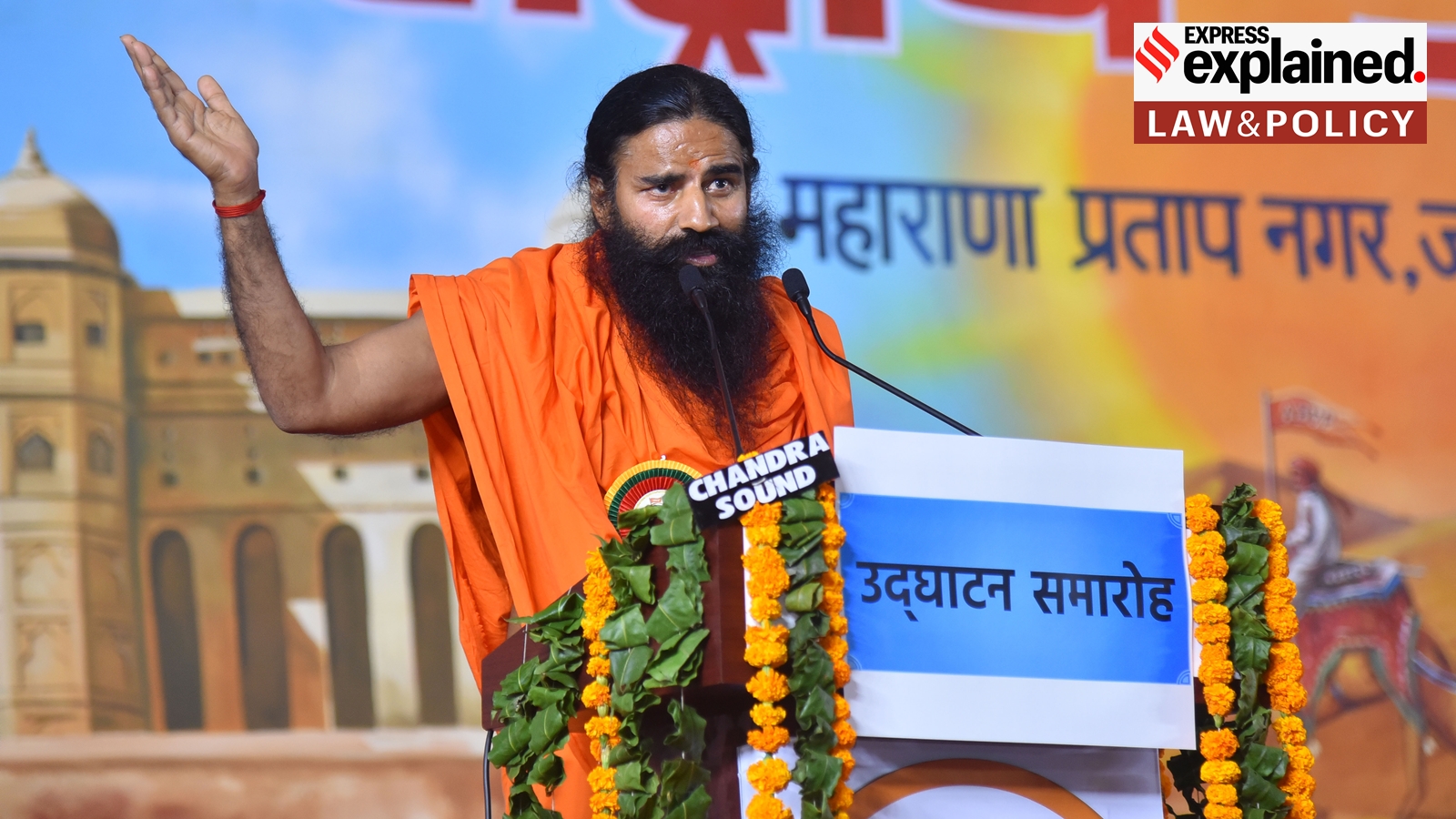
Baba Ramdev's Patanjali Group is aggressively expanding beyond its traditional Ayurveda and FMCG roots. The conglomerate has entered the general insurance market via a Rs 4,500 crore acquisition of Magma General Insurance and secured major bids in India's battery energy storage system (BESS) sector.
Key Takeaways
- Patanjali Ayurved and DS Group have partnered to acquire Magma General Insurance in a deal valued at Rs 4,500 crore.
- Patanjali has won major bids for standalone Battery Energy Storage Systems (BESS) in Maharashtra and Rajasthan.
- The strategic shift marks Patanjali's evolution from an FMCG brand into a highly diversified industrial conglomerate.
The Patanjali Group, led by yoga guru Baba Ramdev and Acharya Balkrishna, has announced a massive strategic shift in its business operations. Moving far beyond its core strengths of Ayurveda, herbal cosmetics, and packaged consumer goods, the Haridwar-headquartered conglomerate is aggressively expanding into unrelated high-growth sectors: general insurance and renewable energy.
The Insurance Regulatory and Development Authority of India (IRDAI) recently approved the acquisition of Magma General Insurance by Patanjali Ayurved and the Dharampal Satyapal (DS) Group. Valued at approximately Rs 4,500 crore, the transaction grants Patanjali a majority 73.56% stake, while the DS Group (makers of Rajnigandha pan masala) will hold 24.5%. This acquisition offers Patanjali an established platform in the non-life insurance market, which includes lucrative health and motor insurance segments.
Why This Matters
BozokMedia analysis shows that Patanjali's aggressive diversification is a calculated hedge against the highly competitive FMCG market. By entering capital-intensive and government-backed sectors like green energy and insurance, the group is positioning itself to capture long-term infrastructure-led growth in India's rapidly modernizing economy.
"Patanjali's entry into capital-intensive sectors like insurance and green energy marks a transition from a consumer-centric brand to an industrial conglomerate."
Simultaneously, Patanjali has emerged as an ambitious player in India’s renewable energy ecosystem, specifically targeting the standalone Battery Energy Storage System (BESS) segment. Patanjali Ayurved secured a 100 MW capacity allocation in a highly competitive tender floated by the Maharashtra State Electricity Distribution Company Limited (MSEDCL). Furthermore, Patanjali’s renewable arm won major capacities under tenders floated by Rajasthan Rajya Vidyut Utpadan Nigam Ltd (RRVUNL).
Historical Background
Patanjali's journey from a small Ayurvedic pharmacy to a multi-billion-dollar corporate giant has been marked by bold acquisitions. In 2019, the group acquired the debt-ridden Ruchi Soya Industries for Rs 4,350 crore through an insolvency process. Rebranded as Patanjali Foods Limited, the company is now a listed giant with a market capitalization exceeding Rs 38,500 crore. This successful turnaround serves as the blueprint for Patanjali’s latest multi-sector expansion.
| Sector / Segment | Patanjali's Traditional Core | New Strategic Diversification |
|---|---|---|
| Primary Focus | Ayurveda, Wellness, Packaged Foods (FMCG) | General Insurance & Battery Energy Storage (BESS) |
| Key Entities | Patanjali Foods Ltd (formerly Ruchi Soya) | Magma General Insurance, Patanjali Renewable Energy |
| Market Valuation / Deal Size | Rs 38,573 Cr Market Cap (Patanjali Foods) | Rs 4,500 Cr Acquisition (Magma); Multi-MW BESS Tenders |
Frequently Asked Questions
1. Which insurance company did Patanjali acquire?
Patanjali Ayurved, in partnership with the DS Group, acquired Magma General Insurance in a transaction valued at approximately Rs 4,500 crore.
2. What is Patanjali's role in India's renewable energy sector?
Patanjali has emerged as a key bidder in standalone Battery Energy Storage System (BESS) tenders, securing capacity allocations in Maharashtra and Rajasthan to build energy storage infrastructure.