Despite a massive crash in supplies from Qatar due to the Strait of Hormuz crisis, India successfully ramped up LNG imports from the US, Oman, and Nigeria to maintain energy stability.
Key Takeaways
- LNG imports from Qatar plummeted by 91.3% due to the Strait of Hormuz blockade.
- India saw a 15.4% YoY increase in total LNG imports during the May-July period.
- The US emerged as the top supplier, with imports surging by 252.8%.
- Diversification into Oman, Nigeria, and Angola mitigated the impact of West Asia tensions.
In a significant display of energy resilience, India has successfully navigated the volatility caused by the West Asia conflict. While the effective closure of the Strait of Hormuz caused a drastic decline in shipments from India's largest supplier, Qatar, a strategic pivot toward a diversified pool of sources has ensured that the nation's energy requirements remain met.
According to recent ship-tracking data from commodity analytics firm Kpler, India's LNG imports rose by 15.4% year-on-year to 7.08 million tonnes during the May-July period. This follows a period of uncertainty in March and April, where import volumes had dipped by nearly 13% as the regional conflict intensified.
Why This Matters
BozokMedia analysis shows that India's ability to rapidly switch its supply chain is a critical component of its national security. With nearly half of its natural gas requirements met through imports, any disruption in the Strait of Hormuz—a chokepoint for 20% of global energy flows—could have paralyzed critical sectors like fertilizers, power, and city gas distribution (CGD).
The Indian market has shown remarkable resilience, maintaining strong demand even in high-price environments.
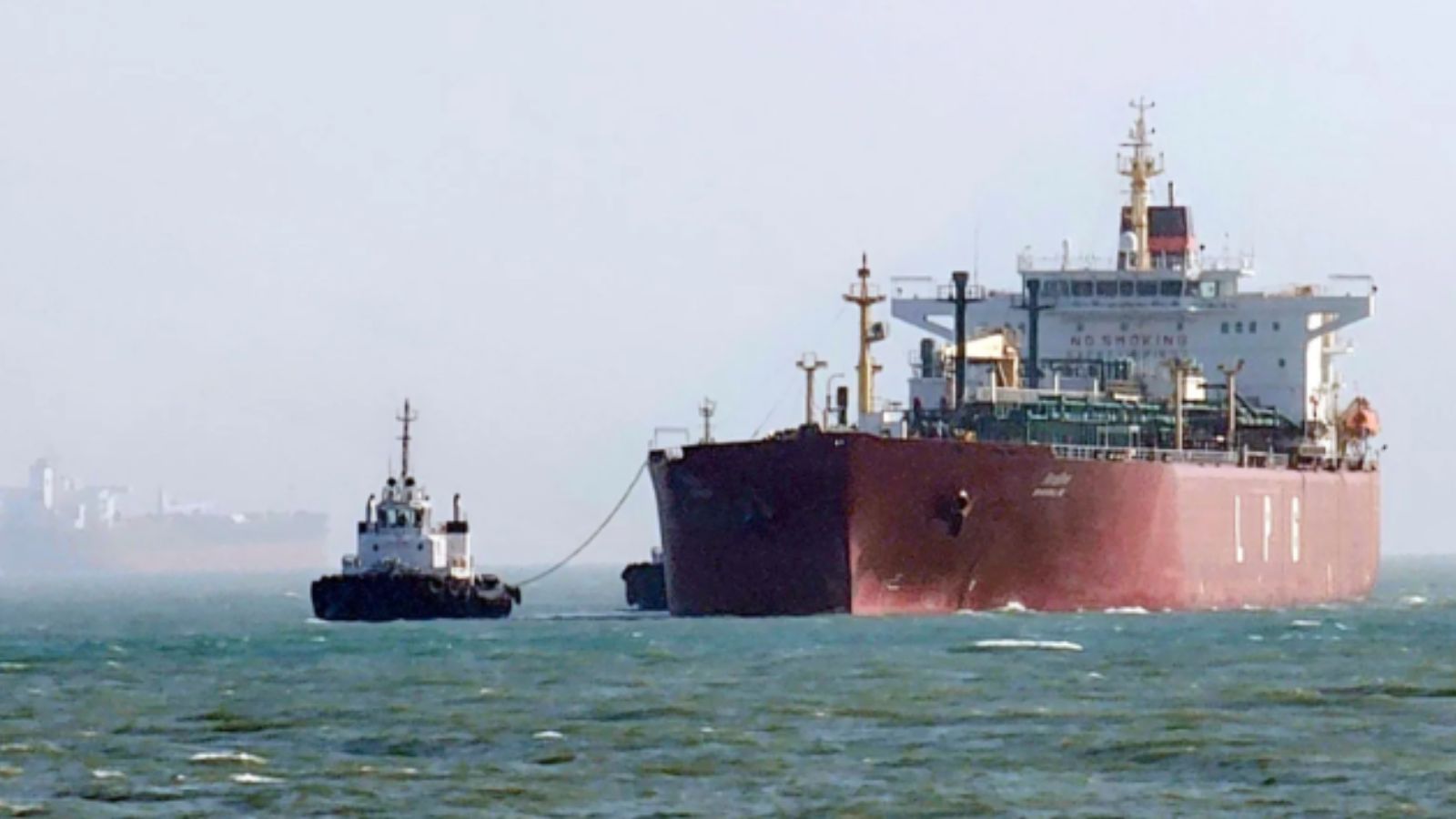
The shift in the supply basket is stark. The United States has stepped up significantly, with imports jumping by 252.8% to become the top source at 2.19 million tonnes. Other key players include Nigeria (1.31 million tonnes), Oman (1.22 million tonnes), and Angola (0.80 million tonnes). Conversely, imports from Qatar crashed by 91.3%, highlighting the severe impact of the maritime blockade.
Historical Context of India's Energy Mix
Historically, India has been heavily reliant on the Persian Gulf, with approximately 60% of its LNG imports passing through the Strait of Hormuz, primarily sourced from Qatar and the UAE. This geographic concentration made the Indian economy vulnerable to the geopolitical instability inherent in the Middle East.
Frequently Asked Questions
1. Which country is currently the largest LNG supplier to India?
Following the recent supply shifts, the United States has become the leading source of LNG for India.
2. How did the Strait of Hormuz crisis affect Indian imports?
The crisis caused a massive drop in imports from traditional suppliers like Qatar, forcing India to seek alternative sources like the US and Oman.