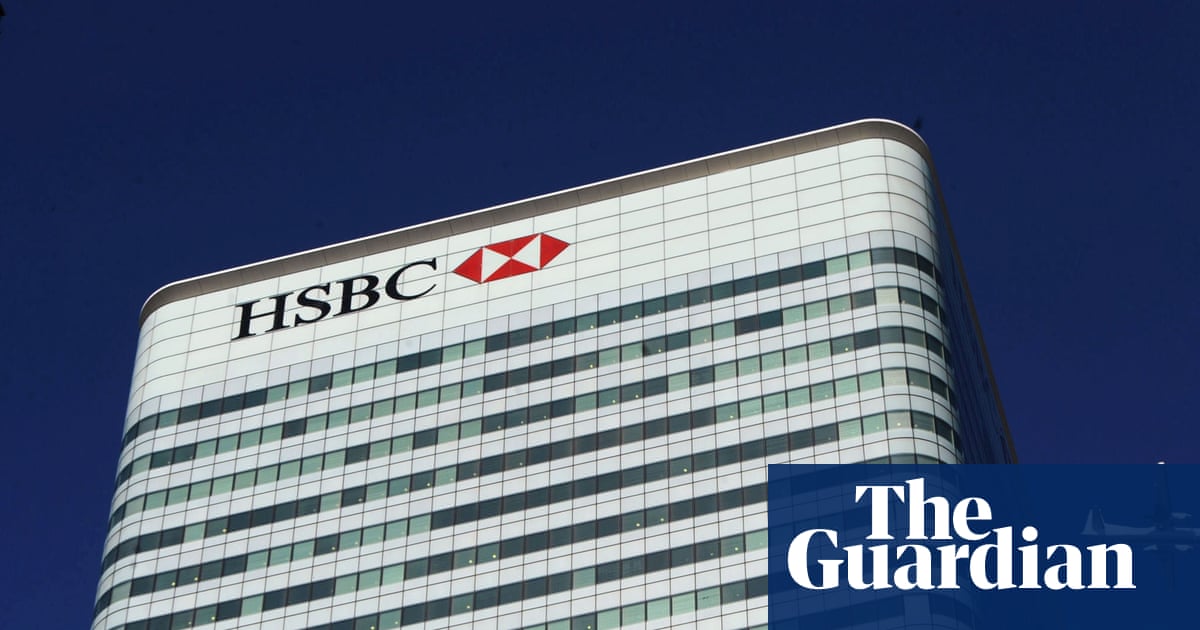
HSBC reported a massive 60% jump in quarterly profits, reaching £7.5bn. This surge has reignited demands from campaigners for a windfall tax to fund cost-of-living relief measures.
Key Takeaways
- HSBC's quarterly profits rose by 60% year-on-year to £7.5bn.
- Campaigners suggest a windfall tax could raise £19bn for public support.
- The big four banks (HSBC, NatWest, Barclays, Lloyds) earned £29.2bn in H1.
- The proposed tax model mimics Spain's levy on high revenues.
HSBC has reported a staggering 60% increase in profits for the three months ending in June, reaching a total of £7.5bn. This growth was primarily driven by higher interest rates, which allowed the lender to charge more for loans and mortgages, alongside strong performance in wealth management and insurance sectors.
HSBC CEO Georges Elhedery indicated that the strong results might lead to increased banker bonuses and the resumption of a share buy-back programme. However, these record-breaking figures have placed the banking sector back in the crosshairs of political activists and unions.
Why This Matters
BozokMedia analysis shows that the widening gap between corporate banking profits and the economic struggles of everyday citizens is creating significant political pressure. Campaign groups like Positive Money and the Trades Union Congress (TUC) argue that the windfall from these profits could be redirected to fund essential social services, such as cutting electricity bills and reducing bus fares.
"While higher interest rates have meant mortgage misery for the rest of us, the big banks have been rolling in it." — Paul Nowak, TUC General Secretary.
The proposal suggests a model similar to Spain's, where revenues exceeding £800m would be subject to a 38% tax. Advocates claim this could generate £19bn, which is more than 13 times the amount needed to fund several key cost-of-living initiatives, including VAT cuts on electricity and bus fare caps.
| Bank Group | H1 Collective Profits | Key Driver |
|---|---|---|
| Big Four (HSBC, NatWest, etc.) | £29.2bn | Interest Rates & Fees |
| Metro Bank | £60.7m | SME & Mortgage Lending |
Historical Background
In 2022, the UK government introduced an energy profits levy on oil and gas companies to capture windfall gains. Campaigners are now looking to replicate this success within the banking sector to address the ongoing cost-of-living crisis.
Frequently Asked Questions
1. Why did HSBC's profits increase so much?
Higher interest rates allowed the bank to earn more from loans and mortgages, supplemented by wealth management fees.
2. What is a windfall tax?
It is a one-off tax on companies that experience unexpected, massive profits due to external circumstances, such as rising interest rates.