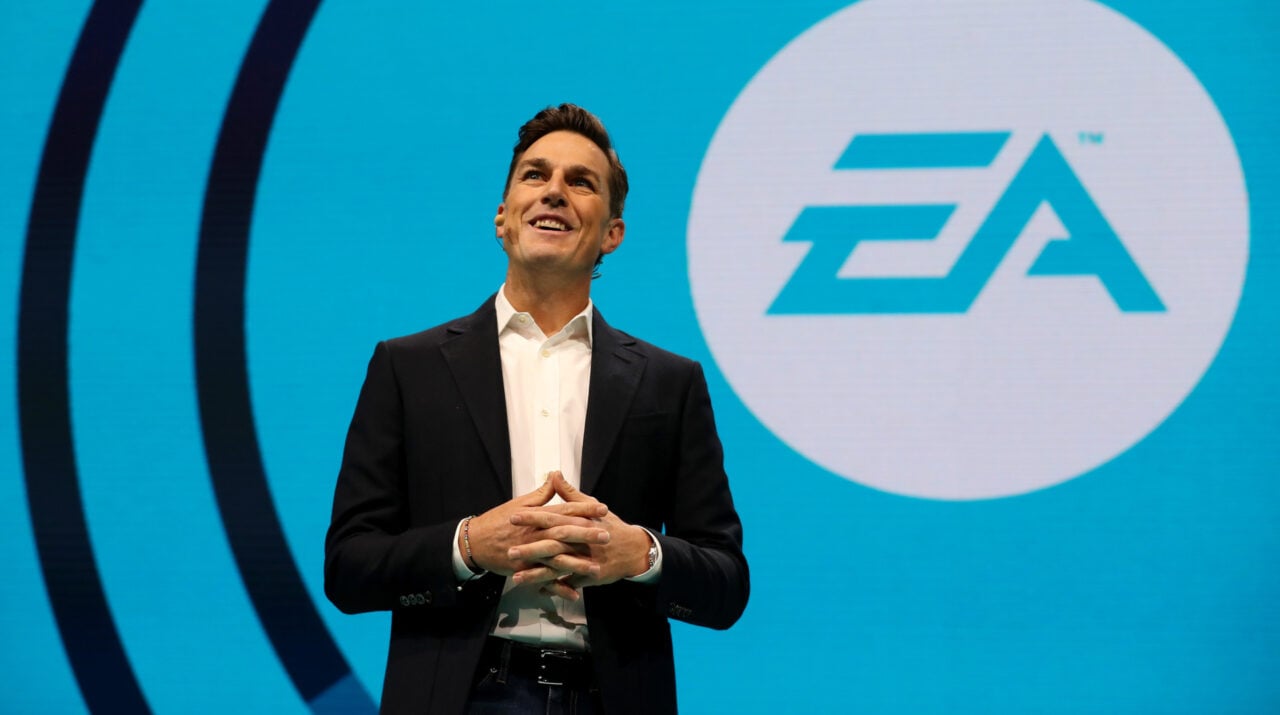
Following its $55 billion sale to a Saudi-led consortium, Electronic Arts is bracing for a brutal restructuring phase to service its massive new debt, targeting $700 million in annual savings.
Key Takeaways
- EA has officially been acquired by a consortium including Saudi Arabia and Jared Kushner for $55 billion.
- The company aims to cut $700 million in annual costs to service debt.
- 'Organizational efficiencies' strongly suggests impending mass layoffs.
- Strategic shifts include heavy reliance on AI and outsourcing to reduce overhead.
The landscape of the video game industry has shifted permanently. Electronic Arts (EA), the powerhouse behind Battlefield and Madden, has officially completed its $55 billion sale to a consortium led by Saudi Arabia and includes prominent figures like Jared Kushner. While the deal marks a historic milestone, it brings with it a period of intense financial austerity.
According to reports from Bloomberg, EA is now under immense pressure to service the enormous debt incurred during this leveraged buyout. To appease debt holders, the publisher has committed to slashing $700 million in annual costs. A significant portion of this—approximately $170 million—is earmarked for 'organizational efficiencies,' a corporate euphemism that industry insiders widely interpret as a precursor to massive layoffs.
Why This Matters
BozokMedia analysis shows that this move signifies a pivot from creative diversity to high-margin, low-risk stability. EA is increasingly consolidating its resources around 'live-service' blockbusters. For example, Criterion Games has been repurposed exclusively to support the Battlefield franchise, moving away from its diverse racing roots. This trend poses a significant threat to studios like BioWare, whose deep, narrative-driven RPGs often clash with the high-frequency monetization models required by new owners.
The shift toward 'organizational efficiency' often signals the end of experimental game development in favor of predictable, recurring revenue streams.
Beyond human capital, EA is aggressively integrating Generative AI and overseas outsourcing to handle support roles. While the company maintains that AI will not replace finished game content, the move to automate customer service and backend roles is a clear attempt to strip out any remaining operational bloat.
Historical Background
For decades, EA has been a central pillar of gaming, managing a vast portfolio from The Sims to EA Sports FC. However, the transition from a public company to a private entity owned by massive sovereign wealth funds and private equity marks a fundamental change in how gaming decisions are made—prioritizing debt servicing and shareholder returns over creative risk-taking.
Frequently Asked Questions
1. Who now owns Electronic Arts?
EA is now owned by a consortium including Saudi Arabia and private equity investors like Jared Kushner.
2. How much money is EA planning to cut?
The company is targeting $700 million in annual cost reductions to manage its new debt load.