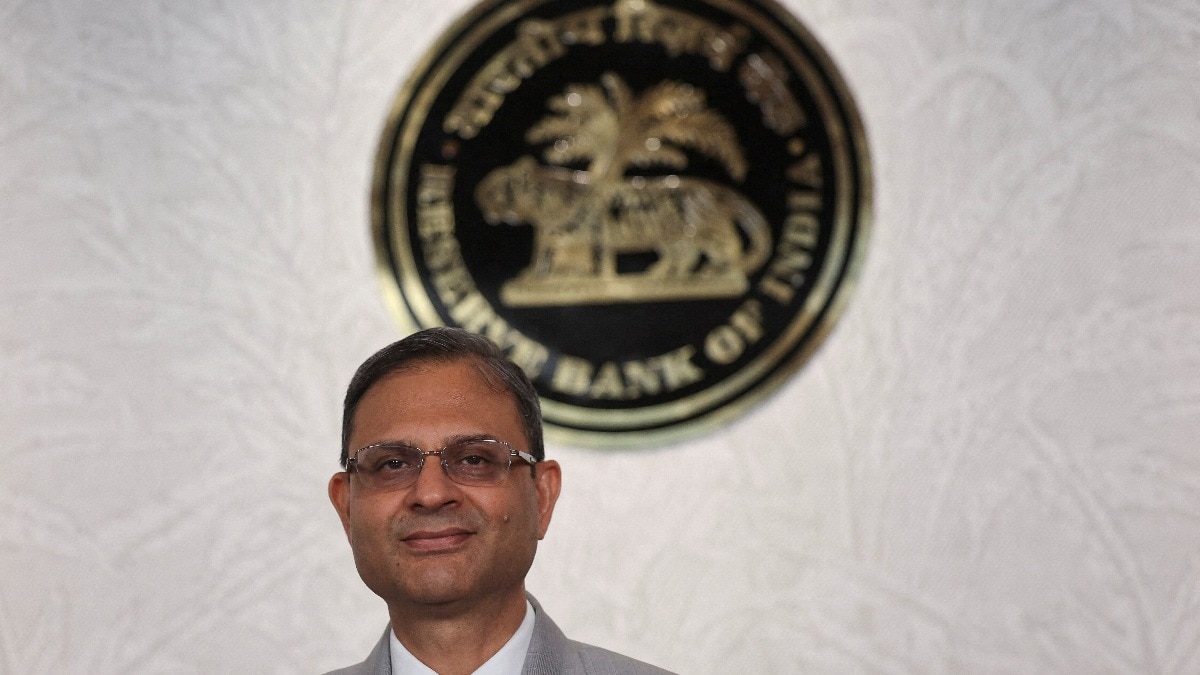
The Reserve Bank of India's Monetary Policy Committee meets today. Economists predict a status quo on the repo rate despite rising global inflationary pressures.
Key Takeaways
- Governor Sanjay Malhotra is expected to keep the repo rate unchanged.
- 68 out of 72 economists surveyed predict no change in interest rates.
- Geopolitical tensions and crude oil prices remain major risk factors.
The eyes of the financial world are on the Reserve Bank of India (RBI) today as the Monetary Policy Committee (MPC) convenes to decide the future of interest rates. Governor Sanjay Malhotra is widely expected to maintain the current repo rate, aiming to provide stability amidst mounting global uncertainties and fluctuating commodity prices.
Inflationary Pressures vs. Economic Stability
While India's retail inflation hit 4.38% in June—crossing the RBI's 4% target for the first time in 17 months—it remains within the safe tolerance band of 2% to 6%. This provides the central bank with the necessary breathing room to avoid aggressive rate hikes, especially when compared to central banks in Europe and Australia that have already tightened policies due to geopolitical tensions in the Middle East.
Why This Matters: BozokMedia Analysis
BozokMedia analysis shows that the RBI is walking a tightrope. The primary concern is 'imported inflation' driven by volatile crude oil prices and a weakening rupee. While a rate hike is not imminent, the central bank's commentary will be vital for market sentiment. A 'hawkish' tone could signal future hikes if geopolitical risks escalate, whereas a 'dovish' stance would support credit growth and the housing sector.
"Maintaining the status quo will provide stability to the housing market, allowing homebuyers to better predict their long-term EMI commitments."
Market analysts are closely watching the interest-rate swap markets, which are already pricing in potential hikes over the next year. The decision today is less about the number and more about the guidance provided by the Governor regarding the future trajectory of inflation.
Historical Background
Historically, the RBI has utilized the repo rate as its primary tool to combat inflation while ensuring that liquidity remains sufficient to support economic growth. The transition from post-pandemic recovery to managing high-interest environments has been one of the most challenging periods for Indian monetary policy.
Frequently Asked Questions
1. What happens if the RBI increases the repo rate?
An increase in the repo rate typically leads to higher borrowing costs for consumers, meaning your EMIs for loans will increase.
2. Why does crude oil price affect the RBI's decision?
India imports a significant portion of its oil. High oil prices lead to higher transportation and production costs, fueling inflation, which may force the RBI to raise rates.