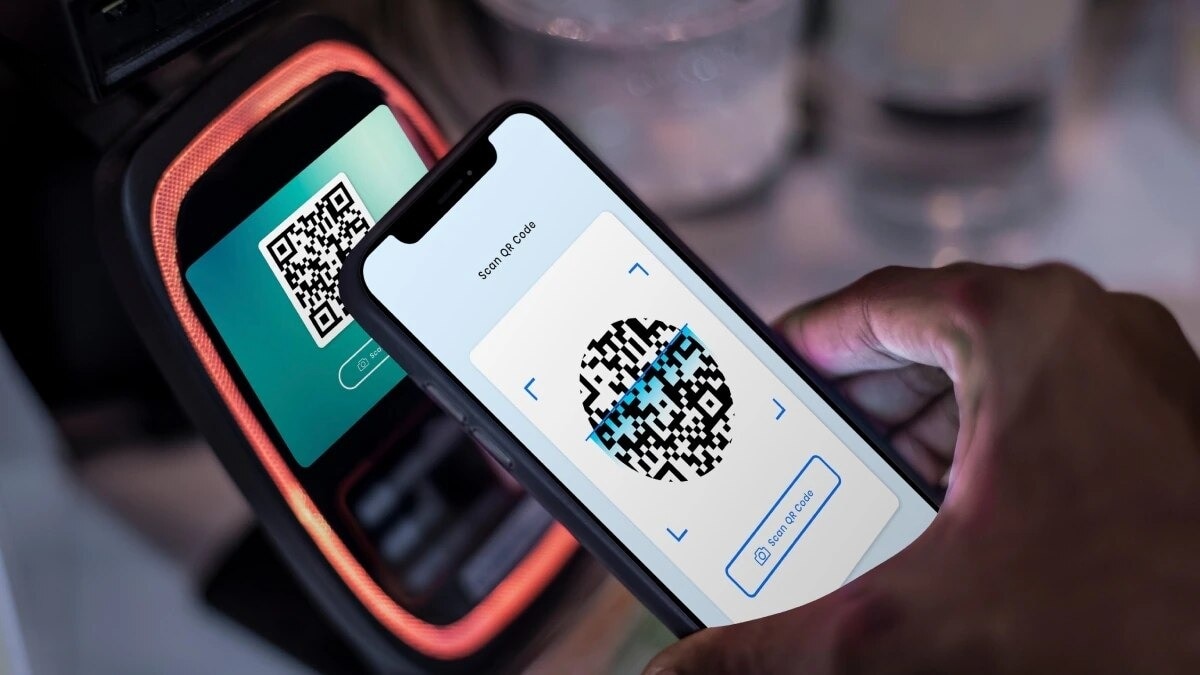
The Finance Ministry has introduced a bill that could reintroduce MDR charges on UPI transactions exceeding ₹2,000. Learn how this affects merchants versus everyday consumers.
Key Takeaways
- MDR charges may be reintroduced for commercial UPI transactions above ₹2,000.
- Individual consumers will NOT be charged for these transactions.
- The rule primarily targets merchants and large commercial entities.
- Proposed fees could range between 0.25% to 0.4%.
A significant shift is looming in India's digital payment landscape. The Finance Ministry has introduced the 'Payment and Settlement Systems (Amendment) Bill, 2027' in Parliament. This bill proposes the reintroduction of the Merchant Discount Rate (MDR), specifically targeting transactions that cross the ₹2,000 threshold.
Will Common Users Have to Pay?
Despite widespread confusion on social media, it is crucial to clarify that this charge will not be levied on individual consumers. Whether you are sending money to a friend or paying for groceries, your transaction remains free. The proposed MDR is intended for merchants and large business establishments that facilitate digital payments through the UPI ecosystem.
Why This Matters: BozokMedia Analysis
BozokMedia analysis shows that this move is a strategic attempt to make the digital payment ecosystem financially sustainable. Currently, banks and payment service providers (PSPs) bear the operational costs of UPI without direct revenue from these transactions. Reintroducing MDR will provide the necessary capital to maintain and upgrade the massive digital infrastructure.
This regulatory shift is essential to ensure that the digital payment infrastructure remains robust and incentivizes service providers to innovate.
Data indicates that approximately 95% of all UPI transactions are under ₹2,000, meaning the vast majority of daily digital activity will remain unaffected. Only the top 5% of high-value merchant transactions will fall under this new regime.
Historical Background
In January 2020, to accelerate the transition toward a cashless economy, the government had prohibited banks and PSPs from charging MDR on UPI and RuPay debit card transactions. This ensured that digital payments remained a low-cost alternative to cash for the masses.
Frequently Asked Questions
Q1: Will I be charged if I pay ₹3,000 via UPI to a shopkeeper?
A: No, the consumer does not pay the fee. The merchant is the one responsible for the MDR charge.
Q2: What is the expected percentage of the charge?
A: Reports suggest the charge could be between 0.25% and 0.4%.
| Feature | Individual Consumer | Merchant/Business |
|---|---|---|
| Will charges apply? | No | Yes (On ₹2000+ transactions) |
| Transaction Type | C2C (Consumer to Consumer) | P2M (Person to Merchant) |