Accell, the Netherlands-based owner of the legendary Raleigh bicycle brand, has filed for insolvency after failing to meet financial obligations following massive losses.
Key Takeaways
- Accell, owner of Raleigh, has started insolvency proceedings.
- The company cited an inability to meet financial obligations.
- Raleigh suffered losses of £30m in recent accounts.
The cycling world is reeling from the news that the company owning the iconic Nottingham-based manufacturer Raleigh has officially begun insolvency proceedings. Accell, the Netherlands-based parent company that acquired Raleigh for $100m in 2012, announced on Wednesday that it has "exhausted all available options" and is no longer capable of meeting its financial obligations.
This collapse follows a tumultuous period for the brand, which faced significant redundancies in 2024 and reported staggering losses of £30 million in its subsequent financial accounts. Jonas Nilsson, CEO of Accell, described the situation as "deeply sad and frustrating," noting that the group's current form is no longer viable.
Historical Background
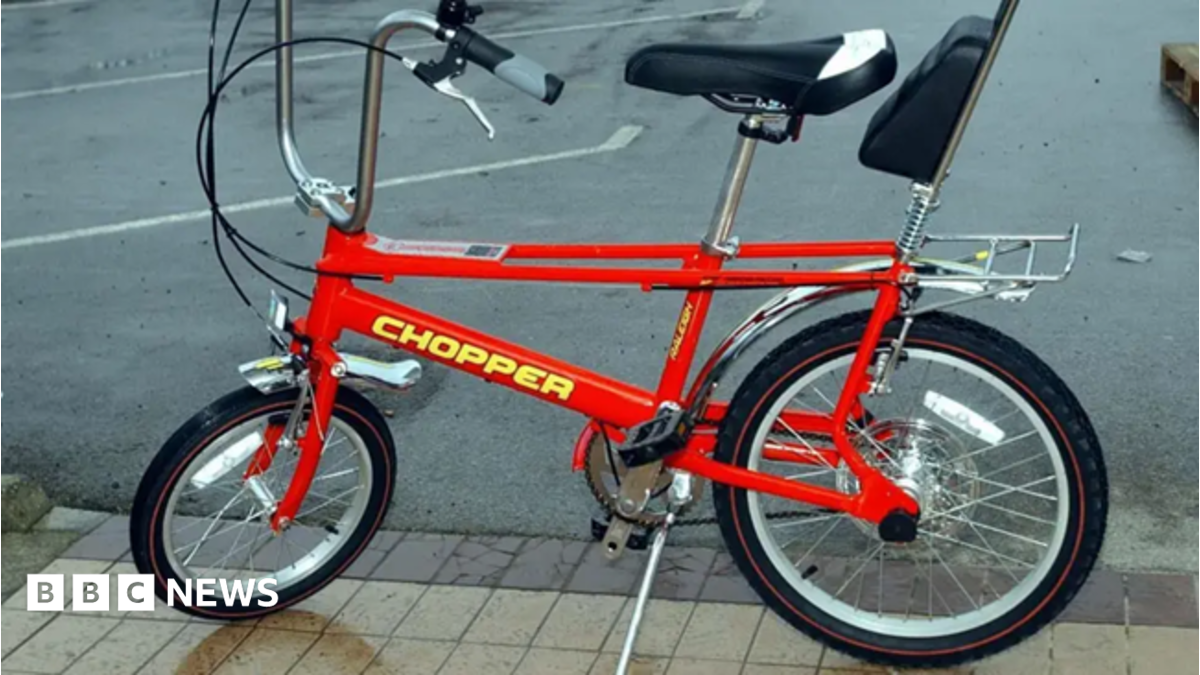
Founded in Nottingham in 1887, Raleigh was once the undisputed heavyweight of the cycling industry. At its peak, the company employed approximately 8,000 people and was the largest bicycle manufacturer in the world. The brand gained global fame through models like the Raleigh Chopper, known for its distinctive extended handlebars. While production moved away from its original city decades ago, the brand remained a symbol of British manufacturing excellence.
Why This Matters
BozokMedia analysis shows that the insolvency of such a storied brand serves as a cautionary tale for legacy manufacturers. The struggle to transition from traditional manufacturing models to modern, agile business structures in a volatile global economy has left even the most established names vulnerable to collapse.
"The insolvency of Raleigh marks a significant moment in industrial history, signaling the fragility of heritage brands in a shifting economic landscape."
Frequently Asked Questions
1. Why did Accell file for insolvency?
The company faced extreme financial pressure, including £30m in losses, making it impossible to meet its debts.
2. What happens to Raleigh's employees and assets?
Court-appointed administrators are currently working to see if any viable activities or employment can be preserved.