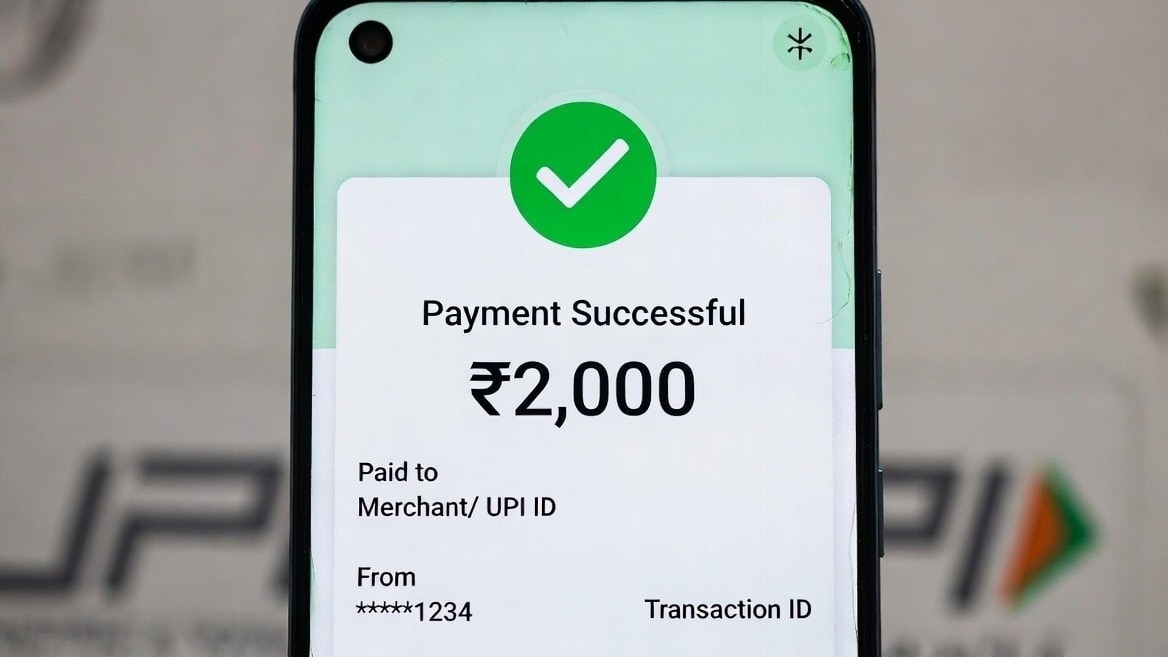
The Global Trade Research Initiative (GTRI) has advised India against changing its UPI and RuPay policies due to external pressures from the US. The report highlights that American companies already dominate the Indian digital payment landscape.
Key Takeaways
- GTRI opposes the imposition of MDR on UPI transactions.
- The US Trade Representative (USTR) has criticized India's UPI and RuPay frameworks.
- US-owned entities like Google Pay and PhonePe process over 80% of UPI transactions.
- Data localization is crucial for national security and fraud prevention.
New Delhi: Economic think tank Global Trade Research Initiative (GTRI) has asserted that India must not succumb to external pressures, specifically from the United States, regarding its digital payment ecosystem. According to GTRI, indigenous systems like UPI and RuPay have propelled India to new heights in digital transactions, and altering these policies to suit foreign interests would be counterproductive.
The US Trade Pressure
The controversy stems from the United States Trade Representative's (USTR) 2026 National Trade Estimate Report, which criticized India's UPI and Brazil's Pix system. The US argues that these domestic frameworks do not provide a level playing field for foreign payment companies. However, GTRI has countered this, stating that the Indian market is already heavily penetrated by American giants.
Why This Matters: BozokMedia Analysis
BozokMedia analysis shows that the current zero-MDR (Merchant Discount Rate) model is the backbone of financial inclusion in India. Removing this zero-cost structure could disproportionately affect small vendors, street hawkers, and rural consumers who rely on seamless, low-cost digital payments.
India must protect the competition, policy autonomy, and long-term stability of its digital payment infrastructure.
GTRI founder Ajay Srivastava emphasized that any decision to levy charges on UPI should be based on the actual operational costs and long-term sustainability of the system, rather than responding to foreign trade complaints. The think tank suggested alternatives like limited fees on large-scale commercial transactions instead of a blanket MDR.
Dominance of US Companies
A significant finding in the report is the massive footprint of American companies in India's digital economy. Google Pay and Walmart-owned PhonePe collectively process more than 80% of all UPI transactions in the country. This contradicts the US claim that domestic systems restrict foreign access to the market.
Frequently Asked Questions
1. What is MDR and why is it being discussed?
MDR (Merchant Discount Rate) is the fee charged to merchants for processing digital payments. There is a debate on whether UPI should move from a zero-MDR to a paid model to sustain infrastructure costs.
2. Why does GTRI support data localization?
Data localization ensures that sensitive financial data remains within national borders, aiding regulators in cybersecurity, fraud investigation, and national security.