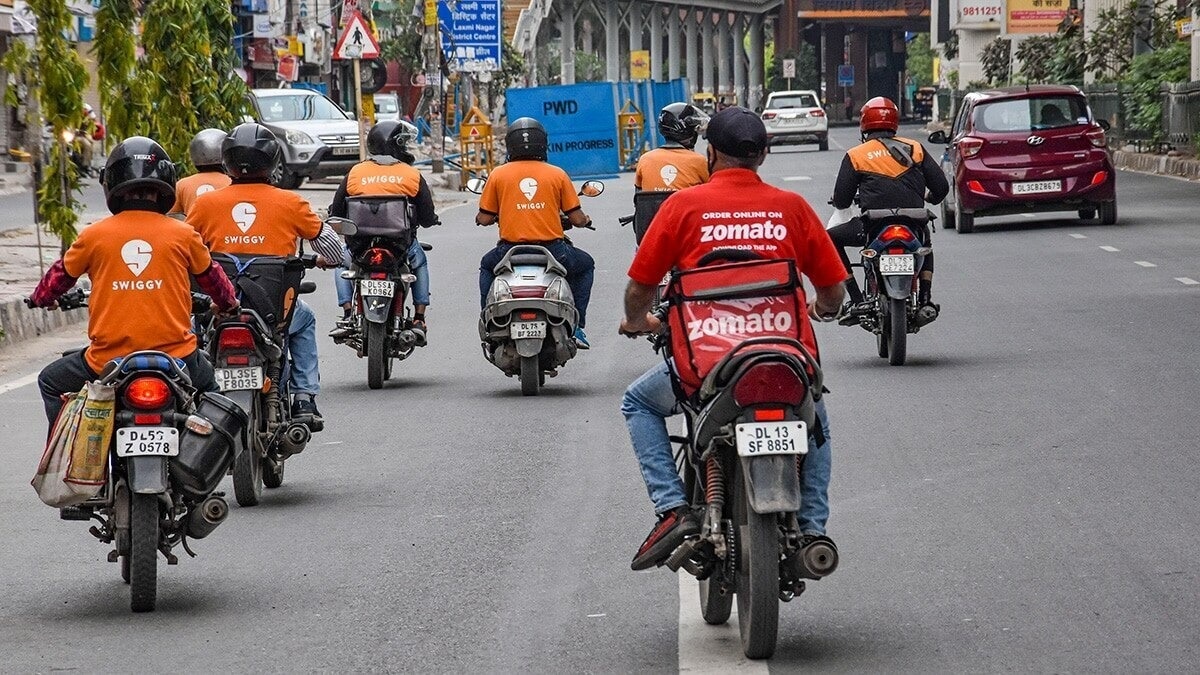
As the Indian food delivery market matures, giants Swiggy and Zomato are shifting focus from fighting each other to capturing the next 100 million users amidst rising competition from Rapido and Flipkart.
Key Takeaways
- Swiggy and Zomato dominate the Indian food delivery duopoly.
- New challengers like Rapido (Ownly) and Flipkart (via ONDC) are entering the fray.
- The primary goal has shifted to expanding the user base by 100 million people.
- Affordability and supply chain innovation are the new battlegrounds.
The landscape of India's food delivery sector is undergoing a seismic shift. For years, Swiggy and Zomato have enjoyed a comfortable duopoly, commanding the lion's share of the market. However, with market growth beginning to plateau, the focus of these industry titans is shifting from aggressive poaching of each other's customers to a much larger mission: onboarding the next 100 million users.
The Emergence of New Challengers
The duopoly is no longer unchallenged. New players are leveraging different value propositions to dent the market leaders. Rapido has made significant inroads with its new platform, 'Ownly', which has already captured a 7% market share in Bengaluru. Meanwhile, e-commerce giant Flipkart is preparing a measured entry into the sector powered by ONDC (Open Network for Digital Commerce), focusing on reliability and service refinement before a national scale-up.
Why This Matters
BozokMedia analysis shows that while India has over 700 million internet users, only about 20–30 million actively order food online. This represents a massive 4x to 5x growth potential. The battle is no longer just about who delivers faster, but about making food delivery an affordable daily habit rather than a luxury service.
If the number of people ordering food online doesn't reach 100 million in three years, the current low-margin models may struggle to survive.
To counter the threat of low-cost entrants, Swiggy has introduced 'Toing', a budget-focused application, while Zomato's parent company, Eternal, is emphasizing kitchen innovation to drive down costs through their 'Bistro' model.
Frequently Asked Questions
1. How are Swiggy and Zomato competing with new low-cost players?
They are launching budget-specific sub-brands and rethinking kitchen operations to ensure long-term financial viability without relying solely on heavy subsidies.
2. What role does ONDC play in this competition?
ONDC provides a decentralized network that allows players like Flipkart to enter the food delivery market without building a completely closed ecosystem from scratch.