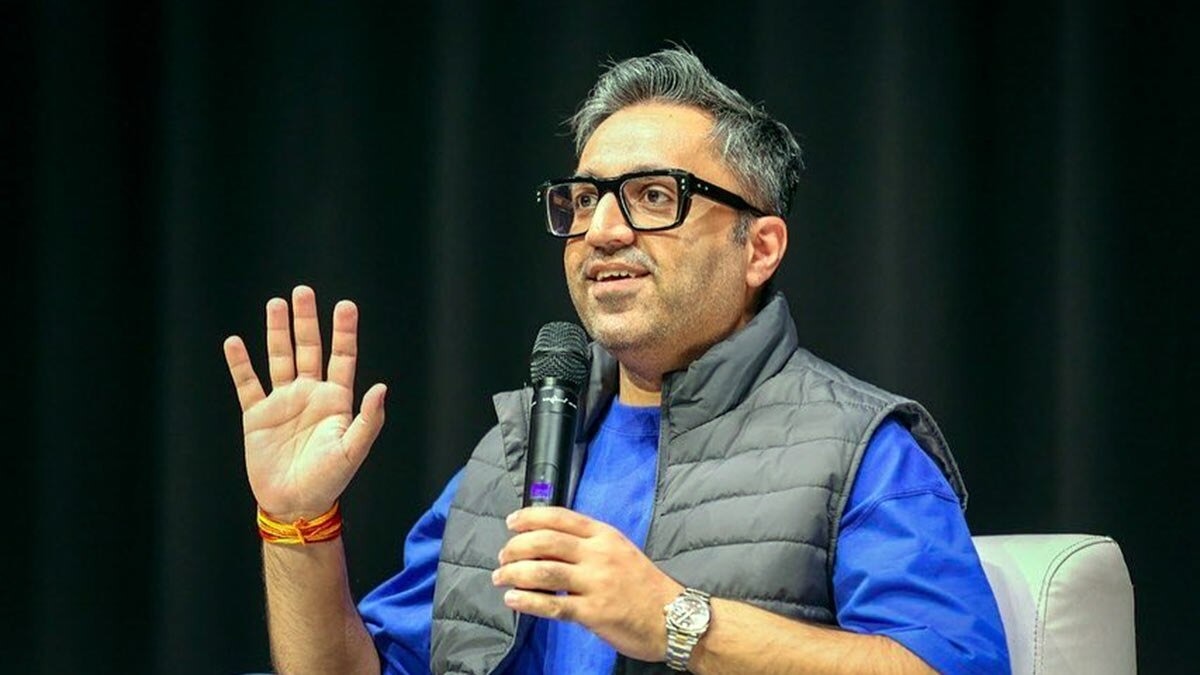
Former BharatPe co-founder Ashneer Grover has slammed the proposal to introduce Merchant Discount Rate (MDR) on UPI, calling it a 'regressive step' that could disrupt India's digital payment success.
Key Takeaways
- The government is creating a legal framework to potentially introduce MDR on UPI transactions.
- Ashneer Grover warns that charges could dismantle India's seamless mobile payment ecosystem.
- Finance Minister Nirmala Sitharaman clarified that charges would apply to merchants, not customers.
The recent passage of the Taxation and Other Laws (Amendment) Bill, 2026 in the Lok Sabha has sparked intense debate regarding the future of digital transactions. This bill provides the central government with the legal authority to modify the current zero-MDR regime on Unified Payments Interface (UPI) transactions through future notifications.
Reacting to this development, BharatPe co-founder Ashneer Grover took to X (formerly Twitter) to express his concerns. He described the introduction of MDR as a 'regressive step,' stating that it could destroy the one thing in India that runs as smoothly as clockwork—mobile payments. Grover's warning highlights the fear that even merchant-side charges could stifle the momentum of digital adoption.
Why This Matters
BozokMedia analysis shows that the seamless, zero-cost nature of UPI has been the primary driver for its massive adoption across both urban and rural India. If merchants face transaction costs, there is a significant risk of them discouraging digital payments in favor of cash, which could potentially lead to a 50% drop in UPI transaction volumes according to recent surveys.
Any MDR on UPI will destroy the only thing in India that is working smoothly like a clock: mobile payments.
Addressing the growing concerns, Finance Minister Nirmala Sitharaman clarified that if any MDR is implemented in the future, the cost will be borne by the merchants. She emphasized that consumers would not be affected. The government maintains that such charges would enable banks and fintech companies to invest more heavily in infrastructure, innovation, and security.
Historical Background
Since its inception, UPI has operated under a zero-MDR model to encourage financial inclusion and minimize the barriers to digital entry for small-scale vendors. This policy has been instrumental in making India a global leader in real-time digital payments.
Frequently Asked Questions
1. Will I have to pay extra for making UPI payments?
No, as per the Finance Minister, the proposed MDR charges would only apply to merchants, ensuring services remain free for end-users.
2. Is the government charging for UPI right now?
No, the current system remains zero-MDR. The new bill merely establishes the legal framework for potential future changes.