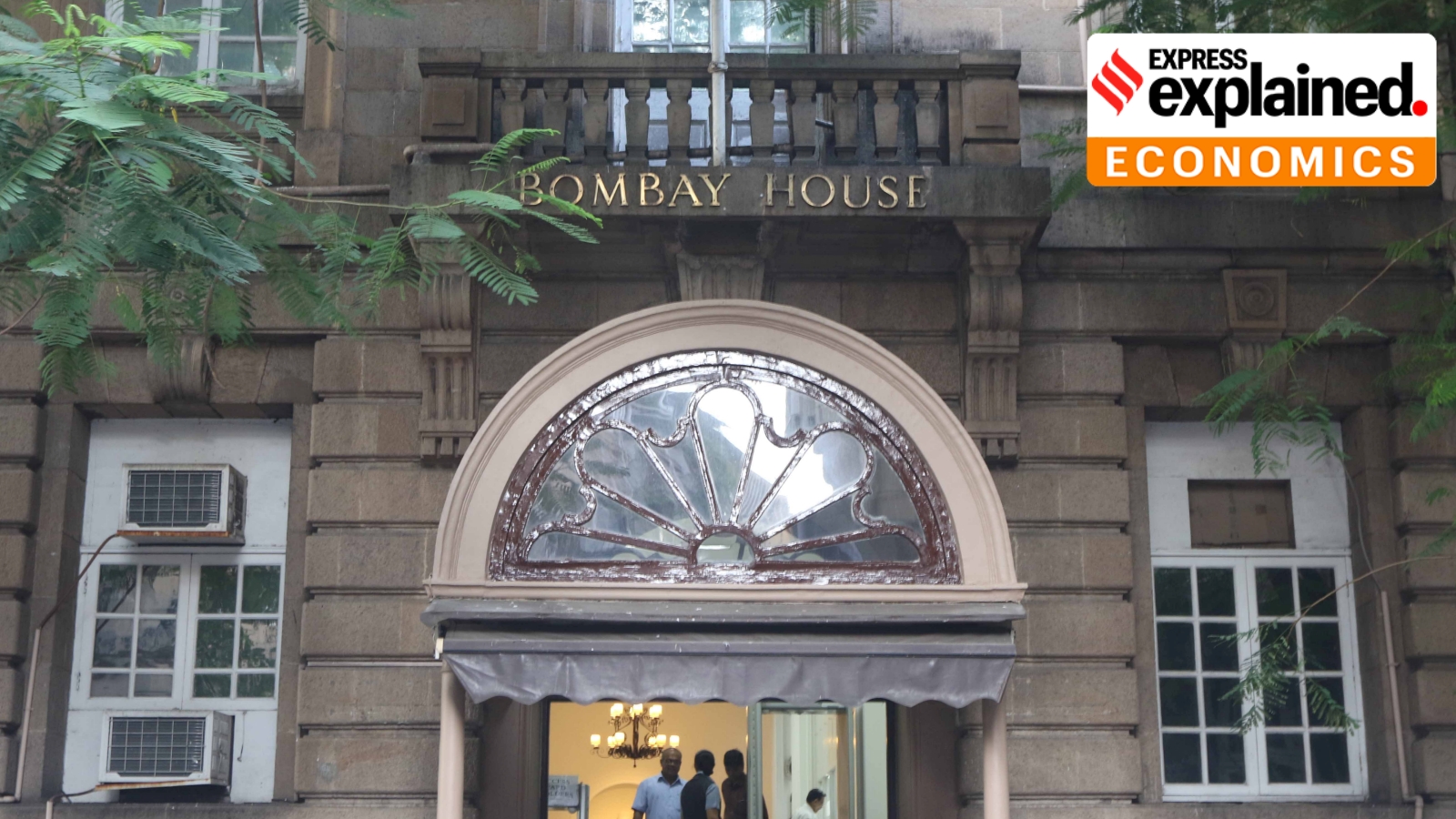
A recent RBI notification has reignited the intense debate over whether Tata Sons should remain a private entity or launch a massive IPO. The regulator's decision on its deregistration application holds the key.
Key Takeaways
- RBI has classified Tata Sons in its 'Upper Layer NBFC' list.
- The company's application to deregister as a Core Investment Company (CIC) is still under review.
- The outcome will decide if Tata Sons must launch an IPO and list on exchanges.
- Tata Sons reported a significant profit of ₹31,961 crore in FY26.
A new notification from the Reserve Bank of India (RBI) has once again thrust one of India's most significant corporate governance debates into the spotlight. The central question: Should Tata Sons, the $180-billion holding company of the Tata Group, remain privately held or transition into a listed entity?
On Thursday, the RBI included Tata Sons in its latest list of Upper Layer Non-Banking Financial Companies (NBFC-UL). Under the current regulatory framework, such entities are required to list on stock exchanges to ensure transparency. However, the RBI added a critical caveat—Tata Sons’ application to surrender its registration as a Core Investment Company (CIC) is still being examined.
Why This Matters
BozokMedia analysis shows that the regulatory tug-of-war hinges on how the RBI views 'public funds.' While Tata Sons has repaid much of its standalone debt, proxy advisory firms argue it remains structurally linked to public money because listed subsidiaries like Tata Steel and Tata Power own equity in it. If the RBI rejects the deregistration, a massive IPO becomes inevitable.
The final regulatory position will depend on whether the RBI allows the company to exit the NBFC framework entirely.
The financial landscape of the group presents a complex picture. While Tata Sons reported a 21.8% increase in profit to ₹31,961 crore for FY26, its subsidiary Air India saw losses more than double to ₹22,238 crore. These contrasting figures fuel the debate between maintaining private control and embracing public market discipline.
Historical Background
For decades, the Tata Group has operated with a unique structure where Tata Trusts holds the majority stake in Tata Sons. Historically, the group has preferred the privacy and long-term stability of an unlisted holding company, a stance long associated with the late Ratan Tata. However, modern regulatory shifts are challenging this traditional model.
Frequently Asked Questions
1. What determines if Tata Sons will go public?
The decision rests on whether the RBI accepts Tata Sons' request to stop being regulated as a Core Investment Company.
2. Why does the RBI want NBFCs to list?
Listing on stock exchanges is intended to improve market discipline, transparency, and shareholder protection.