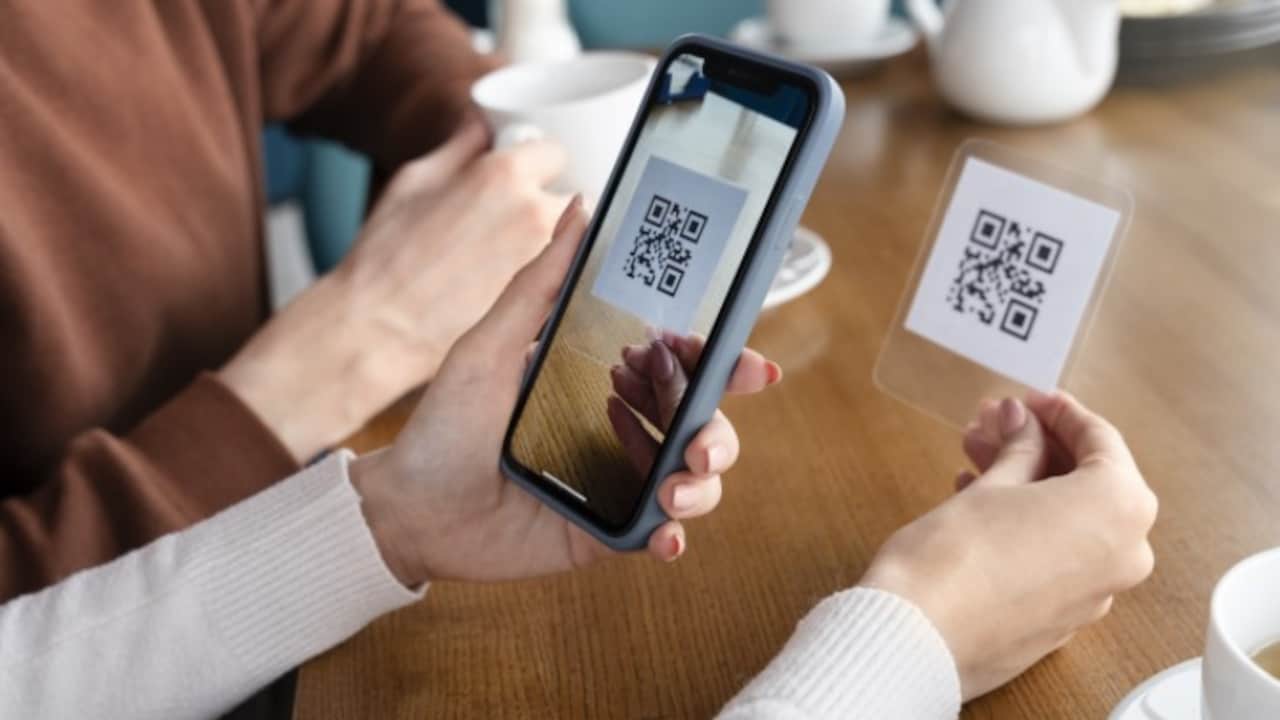
The Union Ministry has assured that UPI transactions will remain free for individual users, while introducing a potential Merchant Discount Rate (MDR) for high-value merchant transactions.
Key Takeaways
- UPI services will continue to be free for all individual consumers.
- A nominal Merchant Discount Rate (MDR) may be applied to specific merchant transactions above a threshold.
- Person-to-person (P2P) transfers will remain unaffected by any new fees.
The Government of India has signaled a strategic shift in the digital payment landscape. While maintaining the momentum of the Digital India initiative, the Ministry has clarified that the cost of using UPI will not be passed on to the common citizen.
Introduction of Merchant Discount Rate (MDR)
The government has opened the door to implementing a nominal Merchant Discount Rate (MDR) on a limited subset of UPI merchant transactions. This fee would only trigger once transactions exceed a specific predefined threshold, ensuring that small-scale vendors are not adversely affected.
Why This Matters
BozokMedia analysis shows that this move is designed to ensure the long-term sustainability of the UPI ecosystem. As transaction volumes skyrocket, the infrastructure requires consistent funding. By shifting a nominal cost to high-value merchants, the government seeks to balance consumer convenience with the financial viability of payment service providers.
Transitioning to a merchant-funded model is a natural evolution for a maturing digital economy.
Historical Background: Since its inception, UPI has been a cornerstone of India's financial revolution, operating largely on a zero-fee model to encourage mass adoption and reduce reliance on physical cash.
Frequently Asked Questions
1. Will I be charged for sending money to a friend via UPI?
No, all person-to-person (P2P) transactions will remain completely free of charge.
2. Who will bear the cost of the new MDR?
The cost is intended to be borne by merchants for transactions exceeding a certain amount, not the end consumer.