The US Senate has passed the 'Lindsey O. Graham Sanctioning Russia Act of 2026,' granting President Trump the power to impose up to 100% tariffs on major buyers of Russian energy. This move places India and China's oil supplies at significant risk.
Key Takeaways
- US Senate passed a bill targeting the top 5 buyers of Russian energy.
- The act empowers President Donald Trump to impose tariffs up to 100% on specific imports.
- India and China, as major Russian crude importers, face significant economic risks.
- Kpler warns of potential disruptions in global oil supply chains.
A seismic shift in US foreign policy could soon disrupt the energy security of major global economies. The US Senate has officially passed the 'Lindsey O. Graham Sanctioning Russia Act of 2026', a legislative move designed to cripple Russia's ability to fund its operations through energy exports. This bill grants the US President unprecedented authority to levy massive tariffs on nations continuing to purchase Russian crude and gas.
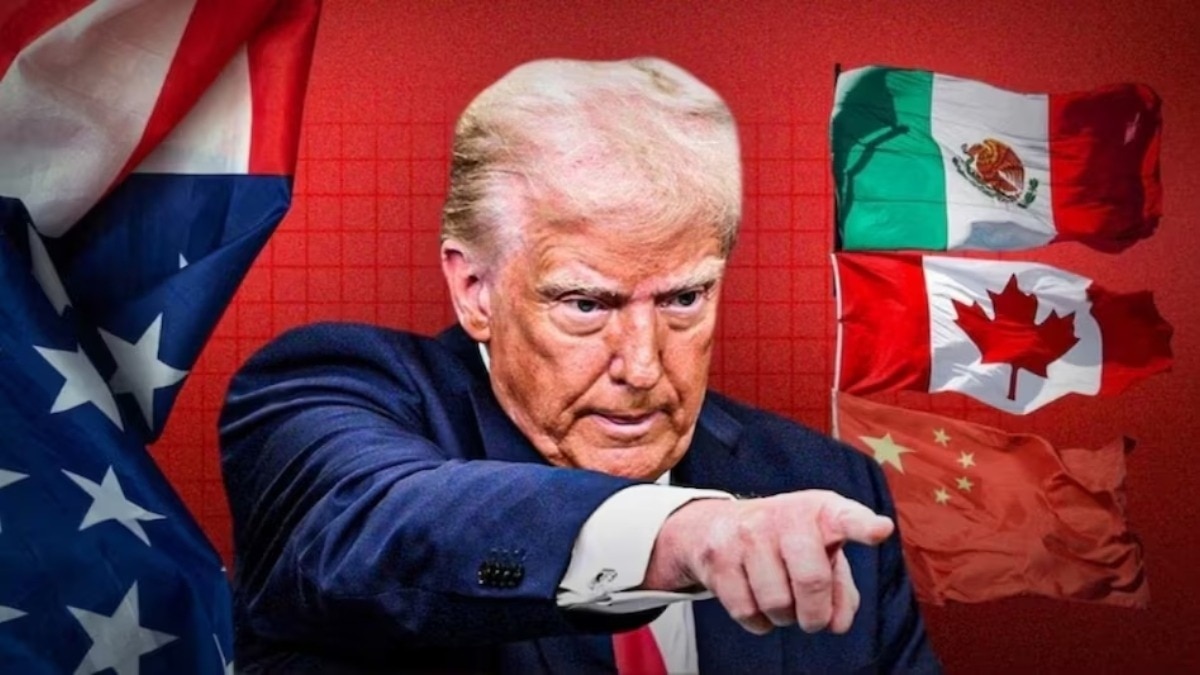
The core of the controversy lies in the 100% Trump Tariff provision. This allows the administration to impose crushing duties on imports from countries that remain top customers of Russian energy. With India and China leading the list of global buyers, the geopolitical implications are staggering.
Why This Matters
BozokMedia analysis shows that this legislation marks a transition from traditional sanctions to aggressive protectionism and economic warfare. By targeting the buyers rather than just the seller, the US is attempting to redraw the map of global energy trade, potentially forcing allies into difficult diplomatic corners.
Russian crude has become a vital supply hedge for Indian refineries against Middle Eastern volatility.
According to Kpler, a leading global energy data agency, the bill poses a direct risk to India's oil supply stability. While analyst Sumit Ritolia suggests that an immediate shift in crude flows is unlikely, the long-term uncertainty could lead to increased volatility in fuel prices and supply chain logistics.
Impact Comparison: India vs. China
| Country | Estimated Daily Russian Oil Import | Risk Exposure |
|---|---|---|
| China | ~2 Million Barrels | Critical |
| India | ~1.7 Million Barrels | Critical |
Since the onset of the Russia-Ukraine war in 2022, India has significantly increased its intake of discounted Russian crude to stabilize its domestic economy. Currently, India imports approximately 85% of its crude oil requirements. A sudden imposition of 100% tariffs would force a rapid and costly reconfiguration of India's energy procurement strategy.
Frequently Asked Questions
1. What is the Lindsey O. Graham Act?
It is a US legislative act aimed at imposing heavy economic penalties on countries that continue to purchase significant amounts of Russian energy.
2. Will this impact fuel prices in India immediately?
Not immediately, as the bill still requires approval from the US House of Representatives and must undergo administrative implementation.