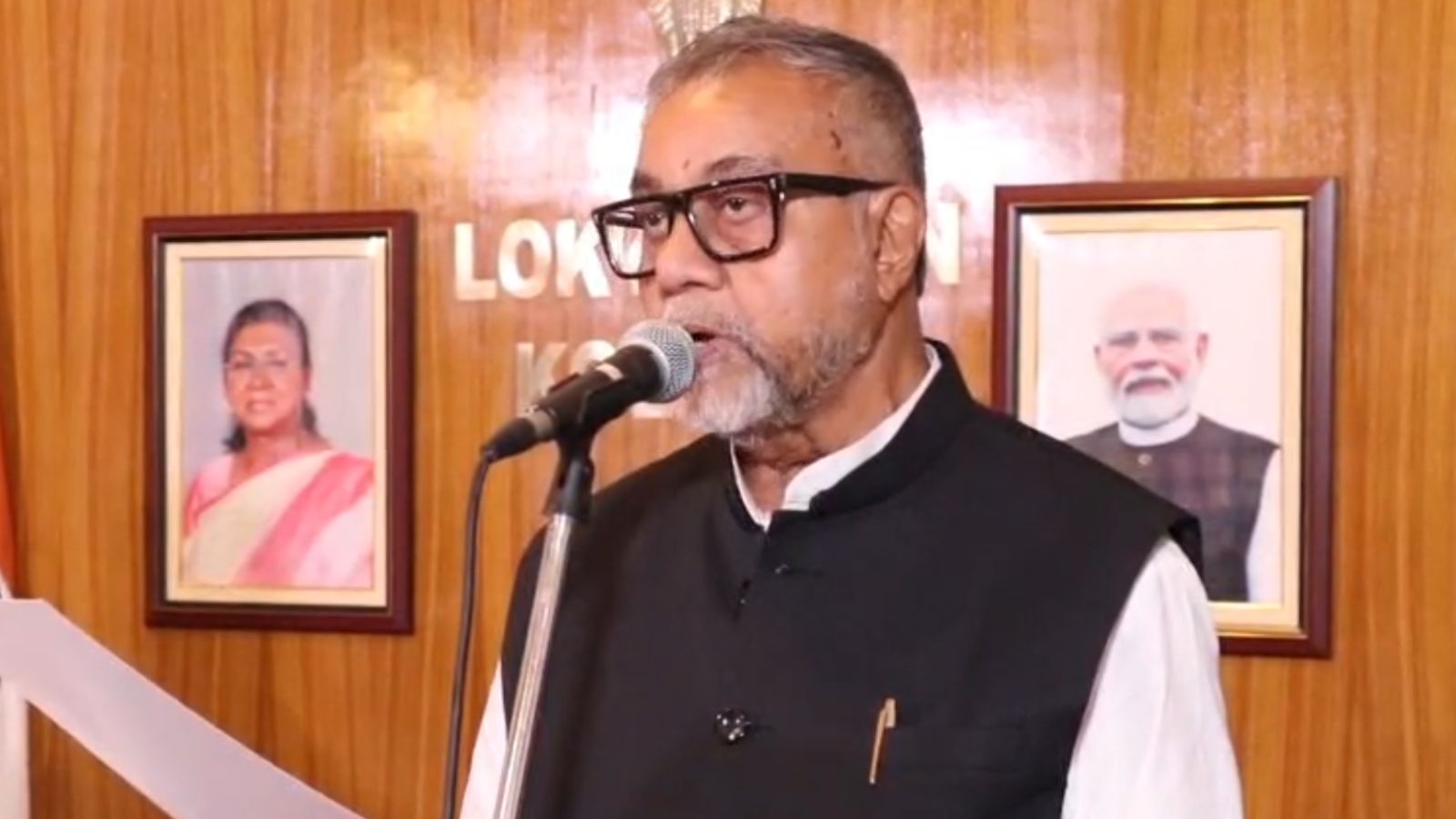
Industry Minister Tapas Roy announced that West Bengal is auditing aging industrial parks to identify land for new investments and will submit BHAVYA scheme proposals by late August.
Key Takeaways
- Comprehensive audit of old industrial parks to assess land and infrastructure.
- Proposals under the central 'BHAVYA' scheme to be submitted by end of August.
- Focus on creating investment-ready land banks and new industrial policies.
- Requirement of 100 acres of encumbrance-free land for BHAVYA proposals.
West Bengal Industry Minister Tapas Roy announced on Sunday that the state government is conducting an extensive review of older industrial parks. The audit aims to evaluate current land utilization, identify infrastructure gaps, and pinpoint available plots to attract fresh industrial investments.
Speaking at Nabanna, Roy stated that the state is finalizing its proposals under the Central Government's 'BHAVYA' scheme. While the Union government has extended the deadline for states until September, West Bengal aims to submit its reports by the end of August. The state had already communicated its timeline to the Centre in a letter sent on July 24.
Why This Matters
BozokMedia analysis shows that this initiative is a strategic attempt to address long-standing criticisms regarding the stagnation of new industrial parks in the state. By transitioning from an unorganized system to a structured 'Land Bank' approach, the government is looking to rectify the structural deficiencies inherited from previous administrations.
The focus is not merely on whether land is allocated for industry on official paper, but whether it is practically suitable for setting up industries.
To qualify under the BHAVYA scheme, proposals must feature at least 100 acres of land that is free from legal encumbrances, under full government possession, and equipped with essential utilities like power, water, and road connectivity.
Historical Background
For over 15 years, West Bengal has faced scrutiny over its inability to establish significant new industrial hubs. The current administration attributes this to outdated land policies and the absence of a streamlined single-window clearance system. In response, the government is now developing an upgraded Industrial Policy and an enhanced Ease of Doing Business (EoDB) framework.
Frequently Asked Questions
1. What is the main goal of the industrial park audit?
The goal is to determine if land earmarked for industry is being utilized effectively or if unused parcels can be repurposed for new investments.
2. What are the land requirements for the BHAVYA scheme?
Proposals require a minimum of 100 acres of encumbrance-free land with clear legal titles and full government possession.