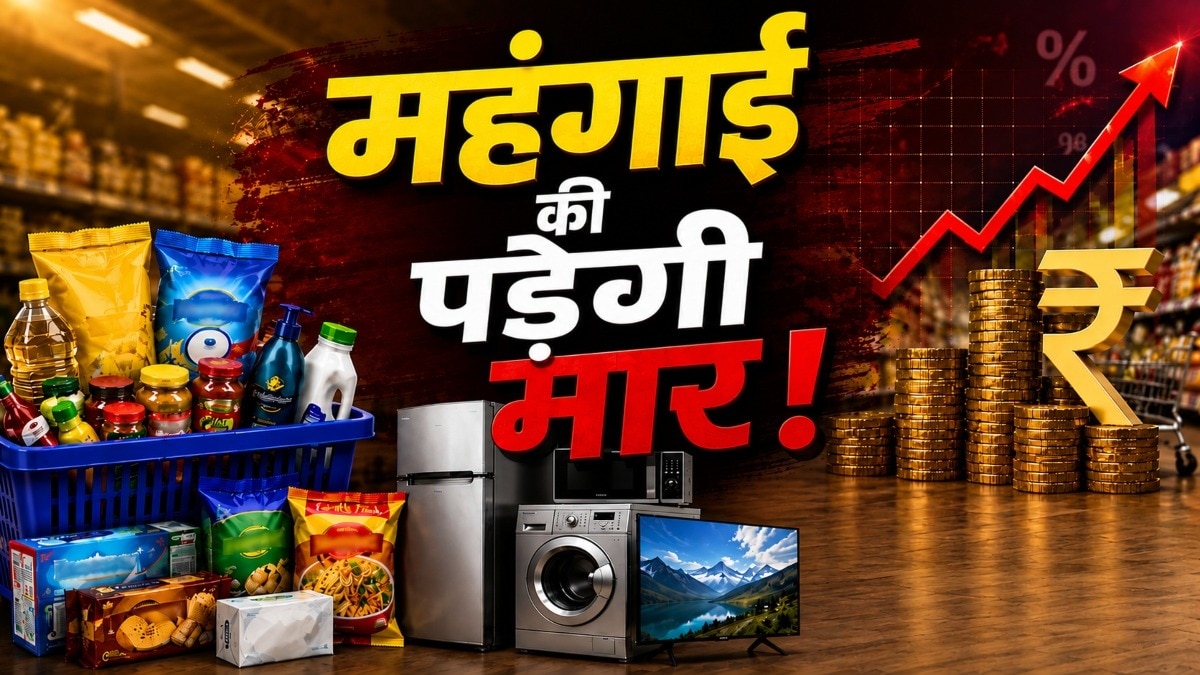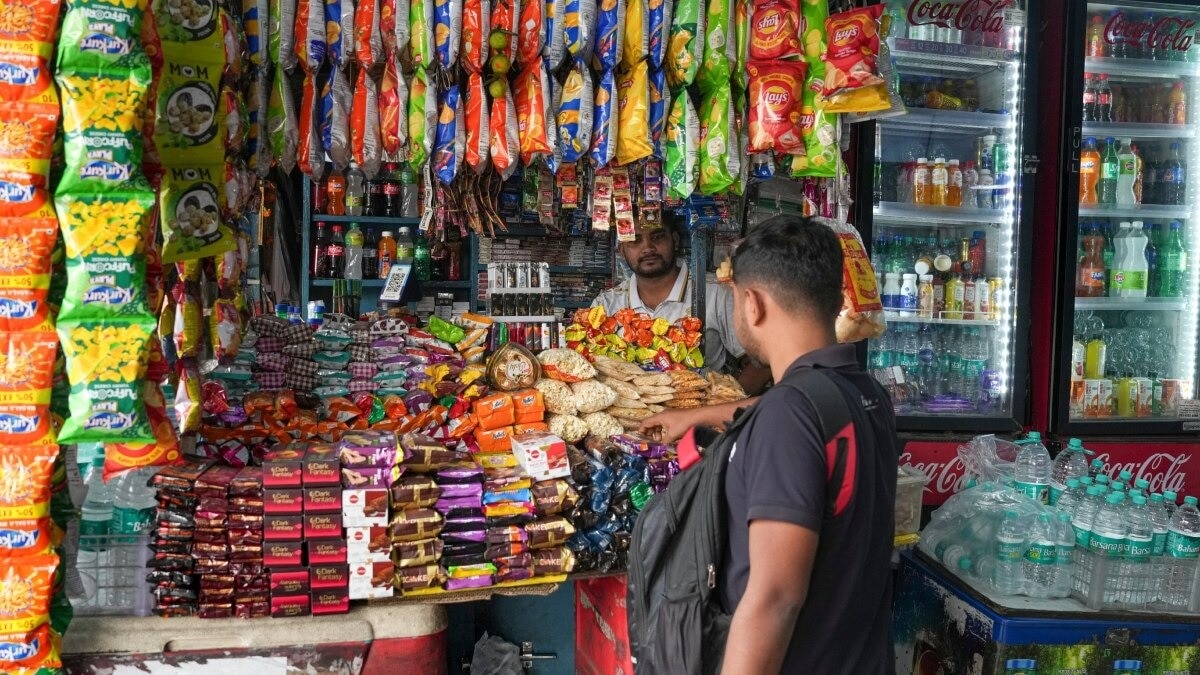
Major FMCG players including Britannia, HUL, and Dabur are preparing for price increases or 'shrinkflation' in the September quarter due to rising commodity costs and geopolitical tensions.
Key Takeaways
- Top FMCG companies like Britannia, HUL, and Tata Consumer are weighing price hikes.
- 'Shrinkflation' is being used to reduce product quantity while maintaining the same price point.
- Rising input costs, crude oil volatility, and geopolitical uncertainty are driving these decisions.
- HUL expects sequential inflation of 2-5% in the upcoming quarter.
Households across India may face a tighter monthly budget as major FMCG companies prepare for a fresh round of price adjustments. Giants such as Britannia Industries, Hindustan Unilever (HUL), Dabur India, Godrej Consumer Products, and Tata Consumer Products are evaluating price hikes for the September quarter.
A significant trend to watch is 'Shrinkflation'. Instead of increasing the Maximum Retail Price (MRP), companies may reduce the net weight or grammage of products. This allows them to protect their profit margins without the immediate psychological impact of a higher price tag on the consumer.
Why This Matters
BozokMedia analysis shows that the FMCG sector is caught in a pincer movement of rising raw material costs and unpredictable global supply chains. Companies are balancing the need to pass on costs to consumers without severely damaging sales volumes.
As inflation pressures margins, FMCG growth is increasingly shifting from volume-led to price-led, making the consumer's wallet the primary battleground.
Britannia is specifically looking at its ₹5 and ₹10 biscuit packs, where sugar and palm oil costs remain high. Meanwhile, HUL CEO Priya Nair has signaled a potential 2-5% inflation impact for the September quarter. Dabur's leadership has also noted that growth is becoming increasingly driven by revenue and pricing rather than volume, as inflation eats into consumer demand.
FMCG Strategy Comparison
| Company | Expected Action | Primary Driver |
|---|---|---|
| Britannia | Shrinkflation (Weight reduction) | Sugar & Palm Oil prices |
| HUL | 2-5% Price Increase | Sequential Inflation |
| Dabur | Revenue/Price-led growth | High Input Costs |
| Godrej | Calibrated Price Hikes | Crude Oil Volatility |
Historically, FMCG companies have used these calibrated moves to navigate periods of high volatility in crude oil and agricultural commodities, ensuring corporate stability even during economic shifts.
Frequently Asked Questions
1. What is the difference between a price hike and shrinkflation?
A price hike increases the actual cost of the item, whereas shrinkflation reduces the quantity of the product while keeping the price the same.
2. Which products will be most affected?
Daily essentials like biscuits, soaps, detergents, and packaged food items are most likely to see changes.