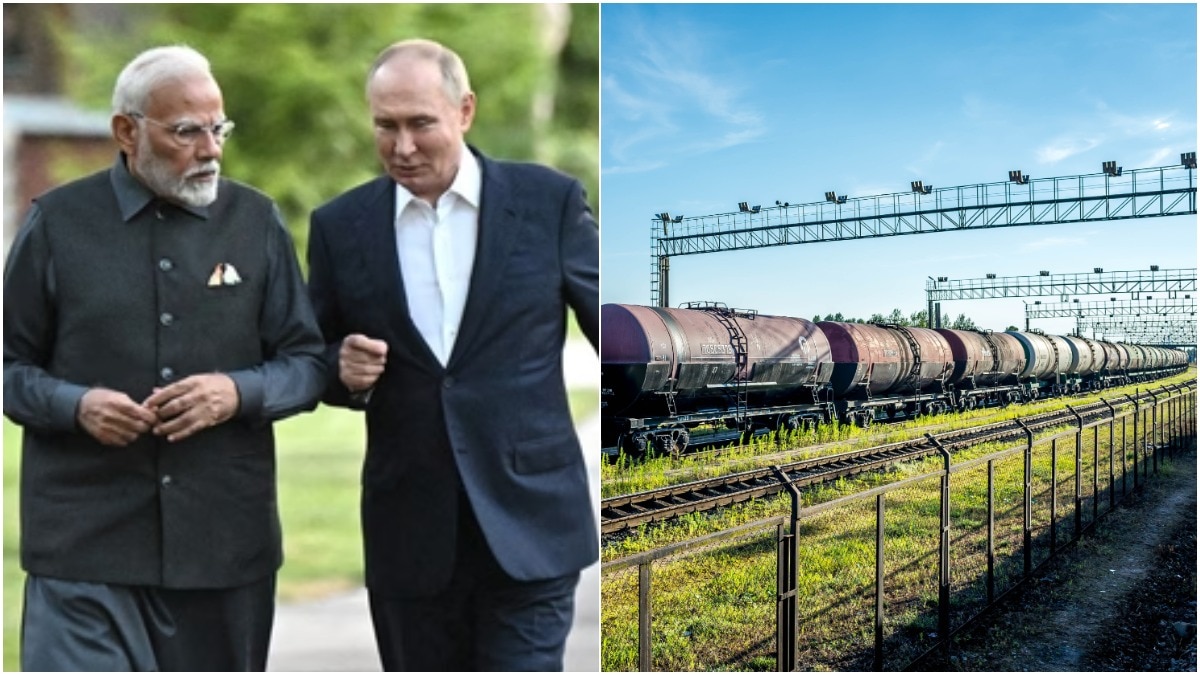
Russia has proposed an ambitious rail corridor to India to bypass risky maritime routes like Hormuz and Bosphorus. This project could redefine global energy logistics and bypass Western sanctions.
Key Takeaways
- Russia is exploring a rail link to India via Turkmenistan, Iran, Afghanistan, and Pakistan.
- The goal is to reduce vulnerability to strategic maritime chokepoints like the Strait of Hormuz.
- The proposal is driven by Western sanctions and drone attacks on Russian oil refineries.
In a strategic move to diversify its trade routes, Russia has expressed interest in developing a new rail corridor to connect with India. According to Russian Deputy Prime Minister Marat Khusnullin, creating alternative ground connectivity to the Indian Ocean is essential to mitigate the risks associated with global shipping bottlenecks.
The Risk of Maritime Chokepoints
Global energy markets are currently heavily dependent on the Strait of Hormuz and the Bosphorus. The Strait of Hormuz, connecting the Persian Gulf to the Gulf of Oman, is a critical artery for oil and gas. Any disruption here—whether due to conflict or naval blockades—leads to immediate spikes in global energy prices. By shifting to a land-based rail network, Moscow aims to secure its supply chain against such external shocks.
Why This Matters
BozokMedia analysis shows that this is more than just an infrastructure project; it is a geopolitical maneuver. Amidst heavy sanctions from the West, Russia is seeking 'sanction-proof' trade routes. A land corridor allows Russia to maintain trade with major buyers like India without relying on waters controlled or monitored by Western-allied navies.
"Russia's proposal marks a pivot toward an Asia-centric trade axis, prioritizing terrestrial sovereignty over maritime dependence."
Internal pressures are also accelerating this plan. Drone strikes on Russian oil refineries during the conflict with Ukraine have hampered domestic refining capacity, forcing Russian firms like Rosneft and Lukoil to seek additional fuel supplies from Indian refiners. A reliable land link would stabilize this exchange.
| Feature | Maritime Route (Current) | Proposed Rail Corridor |
|---|---|---|
| Dependency | Hormuz & Bosphorus Chokepoints | Central Asian Nations (Iran, Pak, etc.) |
| Primary Risk | Naval Blockades, Piracy | Political Instability, Border Disputes |
| Strategic Edge | High Volume, Established Net | Sanction Bypass, Alternative Access |
Frequently Asked Questions
1. Which countries would the rail corridor pass through?
The proposed route could potentially traverse Turkmenistan, Iran, Afghanistan, and Pakistan to reach India.
2. Is this project currently operational?
No, the proposal is in its early stages and faces significant geographical and political challenges before implementation.
