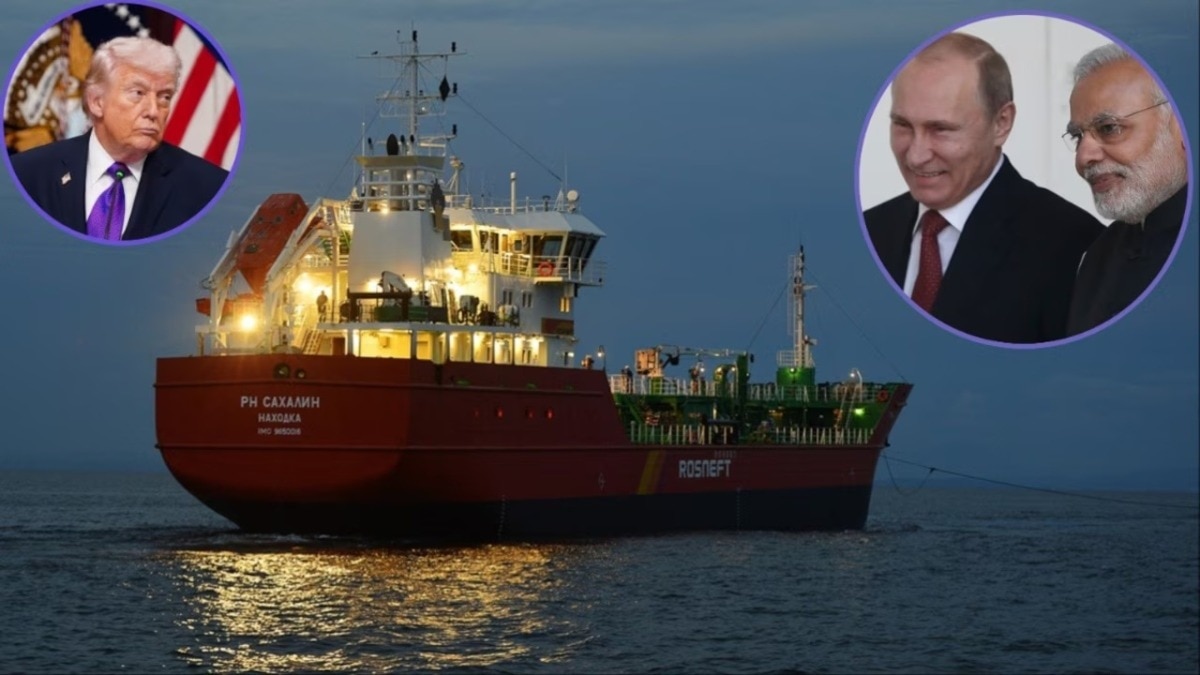
Amid proposals by the US Senate to impose a 100% tariff on countries importing Russian oil, India has fortified its energy security with alternative sourcing strategies. This report analyzes the potential economic fallout and the resilience of India's oil imports.
Key Takeaways
- The US Senate passed a bill considering 100% tariffs on the top 5 importers of Russian oil.
- In July 2026, Russian crude accounted for 55.5% of India's total oil imports.
- India currently sources oil from 41 different countries, providing a robust safety net.
- A sudden stop in Russian imports could spike refining costs and trigger domestic inflation.
Amidst escalating tensions between the US and Iran, India has significantly ramped up its crude oil imports from Russia. By July 2026, India was importing approximately 2.8 million barrels per day from Russia, marking a record high. However, a new bill passed by the US Senate threatens this trade dynamic by proposing heavy tariffs on major Russian oil buyers.
What Happens if Russian Oil Imports Stop?
Analysts suggest that a sudden cessation of Russian supply would force India to pivot toward other major suppliers such as Saudi Arabia, the UAE, Iraq, and the USA. While India's diversified portfolio of 41 sourcing locations mitigates the risk of total shortage, shifting such massive volumes rapidly could lead to procurement challenges and higher costs.
Why This Matters
BozokMedia analysis shows that the primary advantage of Russian oil has been the steep discounts provided to Indian refiners. If these discounts vanish, the cost of production for fuel will rise. This will inevitably lead to higher petrol and diesel prices, increasing logistics costs and contributing to overall inflation across the economy.
"India's energy diversification is its greatest shield, yet the loss of discounted Russian crude could widen the current account deficit and weaken the Rupee."
Economic Impact Analysis
| Factor | With Russian Oil (Current) | Without Russian Oil (Potential) |
|---|---|---|
| Cost | Lower due to discounts | Higher due to market rates |
| Rupee Value | Stable/Managed | Pressure due to higher USD demand |
| Inflation | Limited impact | Likely rise in fuel and commodity prices |
Historically, India has adhered to a policy of 'Strategic Autonomy.' Since the Cold War era, India has avoided over-reliance on any single superpower for its energy needs. This long-term strategy is exactly why India is now positioned with 41 different import sources, allowing it to navigate geopolitical minefields more effectively than most nations.
Frequently Asked Questions
Q1: Will petrol prices rise immediately if Russian oil is banned?
Answer: A gradual phase-out would minimize impact, but a sudden stop would likely cause a price spike due to increased procurement costs.
Q2: How many alternative oil sources does India have?
Answer: India currently imports crude oil from approximately 41 different countries.