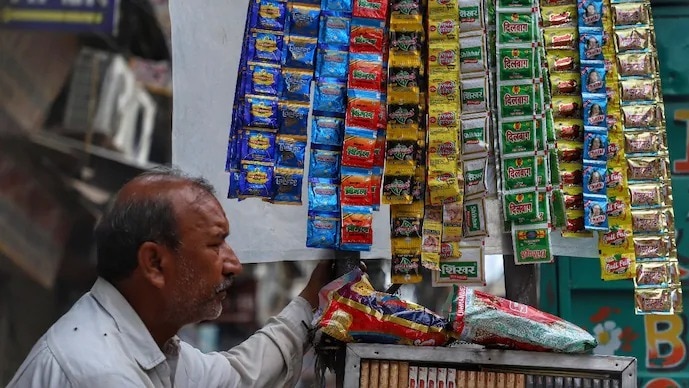
The Food Safety and Standards Authority of India (FSSAI) has officially banned the use of plastic packaging for pan masala. Companies must now switch to eco-friendly alternatives like paper, tin, or glass.
Key Takeaways
- Plastic packaging for pan masala is now strictly prohibited by FSSAI.
- Manufacturers must switch to paper, tin, or glass containers.
- The move aims to combat plastic pollution and improve food safety.
- The ban applies to all sizes of pan masala pouches, including multi-layered ones.
New Delhi: In a major move to curb environmental degradation, the Food Safety and Standards Authority of India (FSSAI) has overhauled the packaging regulations for pan masala. Under the new mandate, the sale of pan masala in plastic pouches is no longer permitted. This decision, part of the Food Safety and Standards Amendment Rules, 2026, has officially come into effect across the country.
What are the New Packaging Standards?
The era of small, single-use plastic sachets is coming to an end. To ensure environmental sustainability, FSSAI has mandated that pan masala must be packaged using non-synthetic, eco-friendly materials. Companies are now restricted to using the following:
- Paper and Paperboard: Must be free of any plastic or synthetic coatings.
- Tin Containers: For enhanced durability and safety.
- Glass Bottles: As a premium and safe packaging alternative.
Crucially, the regulation also bans multi-layered packaging. This means that even if a packet looks like paper on the outside, it cannot contain an internal layer of plastic or aluminum foil. Materials such as polyethylene, PVC, and polyester are strictly off-limits.
Why This Matters
BozokMedia analysis shows that this regulatory shift is a direct response to the massive accumulation of micro-plastics in urban drainage systems. Small pan masala sachets are notorious for clogging drains and persisting in the environment for decades. By forcing a transition to biodegradable or recyclable materials, the government is tackling the root cause of non-recyclable waste in the FMCG sector.
Transitioning to eco-friendly packaging is not just a legal mandate but a necessary evolution for sustainable consumerism in India.
Historical Background
The journey toward this regulation began in April 2026, when FSSAI released a draft proposal to solicit feedback from stakeholders and the general public. After a 60-day consultation period and reviewing various industry concerns, the final rules were gazetted on August 10, marking a significant milestone in India's fight against single-use plastics.
| Feature | Old Regulation (Plastic) | New Regulation (Eco-friendly) |
|---|---|---|
| Material Used | Polyethylene, PVC, Foil | Paper, Tin, Glass |
| Environmental Impact | High Pollution | Low/Sustainable |
| Compliance Status | Phased Out | Mandatory |
Frequently Asked Questions
1. Is the sale of pan masala itself banned?
No, the sale of pan masala remains legal. The ban is strictly limited to the type of packaging used to sell it.
2. What happens to companies that continue using plastic?
Companies failing to comply with the new packaging standards will face strict legal action and penalties from FSSAI.