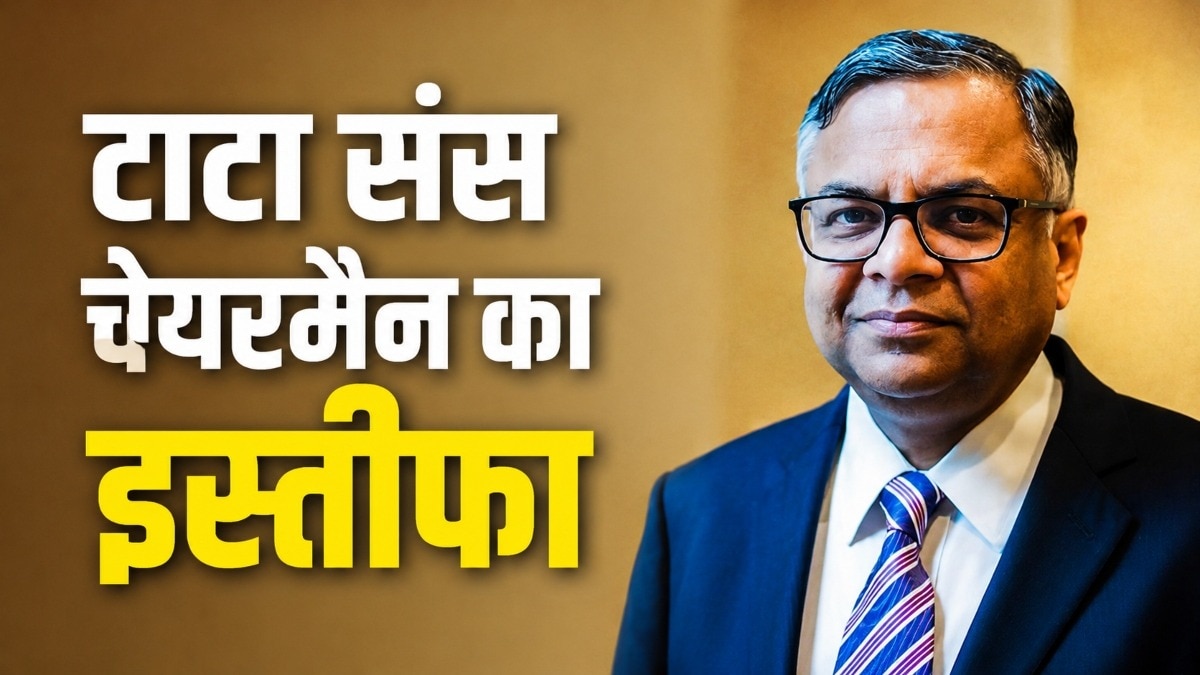
N Chandrasekaran has announced his departure as Chairman of Tata Sons. After a decade of massive expansion and digital transformation, the stage is set for a new leader to tackle complex challenges.
Key Takeaways
- N Chandrasekaran steps down as Chairman of Tata Sons.
- His decade-long tenure saw massive global expansion and digital shifts.
- Successors face hurdles including Air India's turnaround and Tata Digital losses.
In a landmark move for India's premier conglomerate, N Chandrasekaran has stepped down from his position as the Chairman of Tata Sons. His decade-long leadership has been defined by a relentless drive toward modernization, helping the Tata Group transition from a traditional industrial giant into a tech-savvy global powerhouse.
A Decade of Strategic Evolution
Under Chandrasekaran's stewardship, the Tata Group underwent significant structural changes. From spearheading the digital revolution via Tata Digital to the high-stakes acquisition and revival of Air India, his tenure was marked by bold, high-risk, high-reward maneuvers that reshaped the group's portfolio.
Why This Matters
BozokMedia analysis shows that this transition occurs at a critical juncture. While the group's valuation has soared, the leadership must now navigate the complexities of stabilizing newly acquired assets and managing the heavy investment cycles in the digital ecosystem.
Chandrasekaran’s legacy will be defined by his ability to marry Tata's traditional values with aggressive modern-day scalability.
The incoming Chairman will inherit a diverse empire but will face immediate pressure regarding the profitability of Tata Digital and the operational turnaround of Air India. Furthermore, the looming possibility of a Tata Sons listing remains a major strategic variable.
Historical Background
The Tata Group has been the backbone of Indian industry for over a century. Chandrasekaran’s era specifically bridged the gap between the old-world industrial manufacturing focus and the new-world digital and aviation-centric landscape.
Frequently Asked Questions
1. What were the biggest achievements of N Chandrasekaran?
His major achievements include the successful acquisition of Air India and the launch of the Tata Neu super-app ecosystem.
2. What is the biggest challenge for the next Chairman?
The primary challenge will be achieving profitability in Tata Digital and ensuring the long-term stability of Air India.