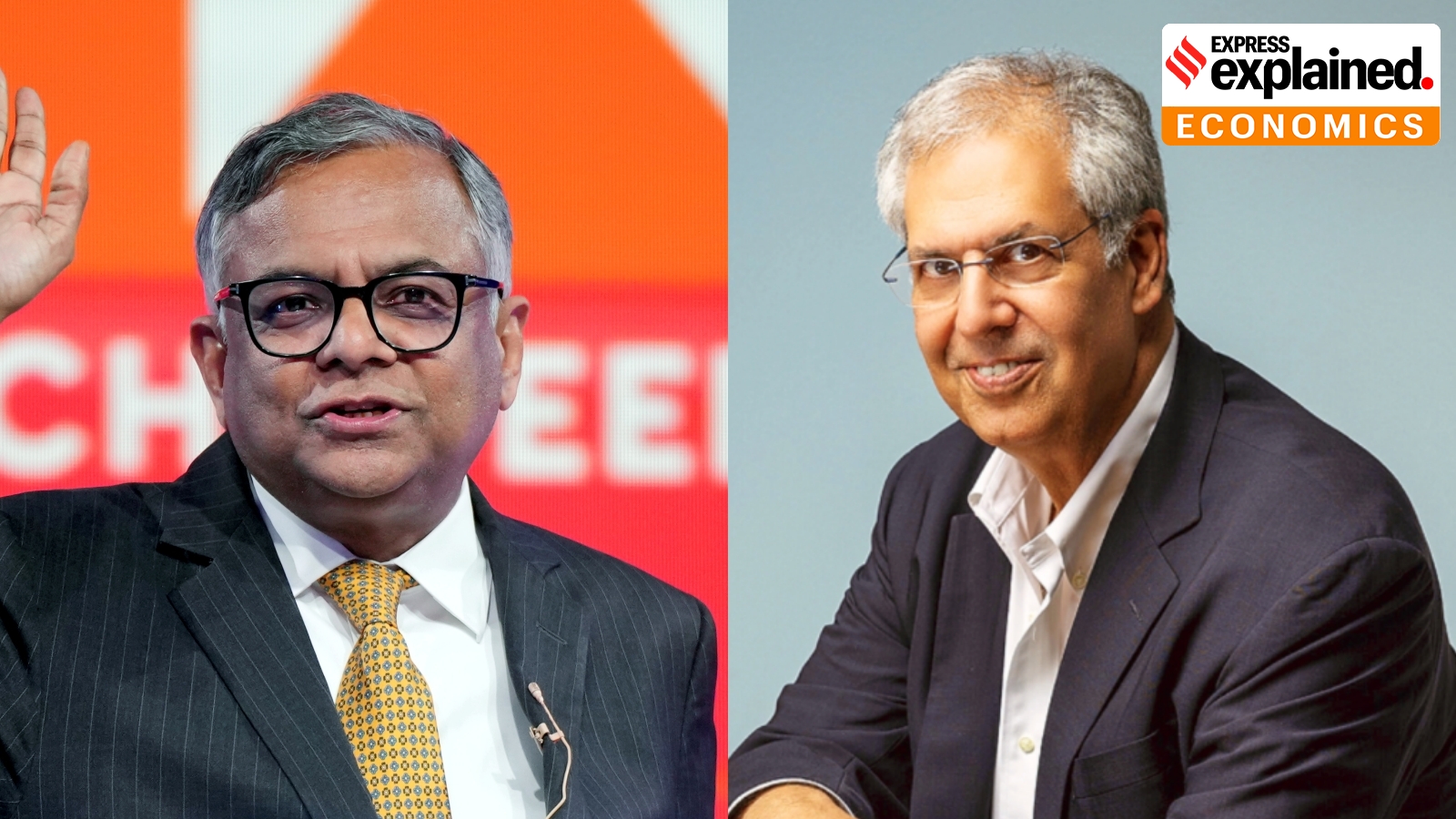
As N Chandrasekaran prepares to exit Tata Sons, Noel Tata emerges as the ultimate power broker within the conglomerate. His leadership at Tata Trusts marks a significant shift in the group's governance.
Key Takeaways
- The potential exit of N Chandrasekaran signals a major leadership transition at Tata Sons.
- Noel Tata has consolidated his position as the undisputed leader of Tata Trusts.
- The departure of Mehli Mistry has removed a significant internal check on Noel Tata's authority.
- Noel Tata will play a decisive role in selecting the next Chairman of Tata Sons.
The landscape of the Tata Group is undergoing a profound transformation. With the impending exit of N Chandrasekaran from his role as Chairman of Tata Sons, the spotlight has shifted decisively toward Noel Tata. After decades of operating in the shadows, Noel Tata is now stepping into a role of unprecedented influence.
A Decisive Shift in Power
Noel Tata's rise to prominence is intrinsically linked to his leadership of the Tata Trusts. Since these Trusts hold a controlling 66% stake in Tata Sons, the head of the Trusts effectively holds the keys to the entire $180 billion empire. Unlike the flamboyant leadership of the past, Noel's influence is being felt through institutional control and strategic appointments.
Overcoming Internal Resistance
The path to undisputed authority was fraught with internal friction. The recent departure of Mehli Mistry, a long-time confidante of the late Ratan Tata, marks a turning point. The tension between the Mistry-led bloc and Noel Tata's vision for the Trusts has culminated in a power shift that leaves Noel Tata as the central figure in Bombay House.
Why This Matters
BozokMedia analysis shows that this transition represents a move toward a more centralized governance model under the Tata Trusts. The upcoming selection of the Tata Sons Chairman will be the first major litmus test for this new era of leadership.
The transition from professional management dominance to Trust-led influence is reshaping the Tata corporate DNA.
The friction between Chandrasekaran and Noel Tata regarding unlisted company losses and board decisions highlights a new era of accountability. As the group moves forward, the synergy—or conflict—between the professional board and the Tata Trusts will define the conglomerate's future.
Historical Context
Founded by Jamsetji Tata in 1868, the Tata Group has grown from a local enterprise into a global titan. While Ratan Tata's tenure was marked by global expansion and professionalization, the Noel Tata era appears poised to focus on consolidating the group's core values through the lens of the Trusts.
Frequently Asked Questions
1. Who holds the most power in the Tata Group today?
Currently, Noel Tata, as Chairman of Tata Trusts, wields significant influence over the group's direction and leadership.
2. How does Noel Tata influence Tata Sons?
Through Tata Trusts, which own the majority of Tata Sons, Noel Tata can influence board compositions and major strategic decisions.