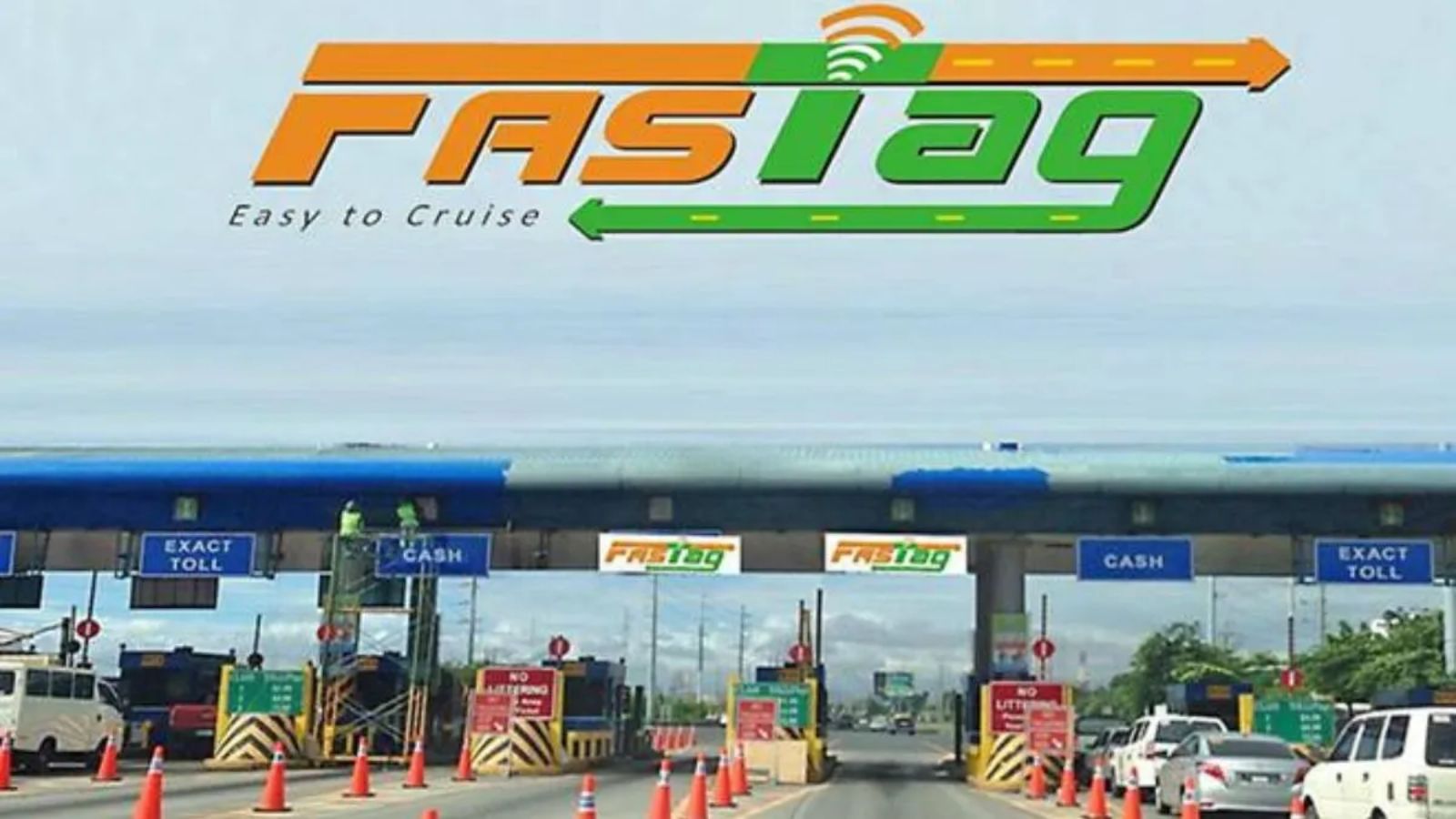
A recent analysis of Multi-Lane Free Flow (MLFF) toll plazas reveals that nearly 10% of vehicles are bypassing tolls with invalid FASTags. Delhi's Mundaka plaza recorded the highest number of violations.
Key Takeaways
- Approximately 10% of vehicles are crossing barrier-less toll plazas with faulty or invalid FASTags.
- Delhi's Mundaka toll plaza recorded the highest volume of e-notices at 4.54 lakh.
- Cars and Jeeps account for a staggering 91% of all toll violations.
- The government aims to implement MLFF across all major highways by March 2029.
The transition to seamless highway travel is facing a significant hurdle. According to a recent analysis of five Multi-Lane Free Flow (MLFF) toll plazas, almost one in every ten vehicles is crossing through without a valid FASTag or sufficient balance. Between May and July, a total of 10.52 lakh e-notices were issued to defaulting vehicles across various states.
Mundaka vs. Choryasi: A Statistical Breakdown
The data reveals a stark contrast between different plazas. While Mundaka toll plaza in Delhi recorded the highest absolute number of violations with 4.54 lakh e-notices, the violation rate was highest at Choryasi in Gujarat at 11.97%. Interestingly, the recovery of toll amounts varies significantly; Choryasi leads with over 60% realisation, whereas Mundaka lags at a mere 20%.
Why This Matters
BozokMedia analysis shows that while the MLFF system is designed to reduce congestion, improve fuel efficiency, and lower emissions, its economic viability depends heavily on compliance. High violation rates and low recovery levels could undermine the infrastructure investment intended to modernize India's highway network.
The success of barrier-less tolling relies not just on sensor accuracy, but on the efficiency of the subsequent penalty and recovery ecosystem.
In terms of vehicle categories, cars and jeeps are the primary culprits, constituting over 91% of the total e-notices issued. Heavy vehicles, such as buses and trucks, follow with a 3.5% share, while Light Commercial Vehicles (LCVs) account for 2.5%.
Historical Background
The Indian government has been aggressively pushing for Multi-Lane Free Flow (MLFF) technology to eliminate the need for vehicles to stop at toll gates. According to the Economic Survey 2025-26, the goal is to have this system operational on all four-lane and above national highways and expressways by March 2029 to facilitate smoother logistics and travel.
Frequently Asked Questions
1. What is the MLFF tolling system?
MLFF is a barrier-less system where sensors and cameras automatically detect vehicles and process FASTag payments without requiring the vehicle to stop.
2. How can I avoid double toll charges?
Ensure your FASTag has sufficient balance and is functional, and always clear any issued e-notices within the 72-hour window.


_hn7CZkQ.png?width=690&quality=85&format=jpg&auto=webp)
