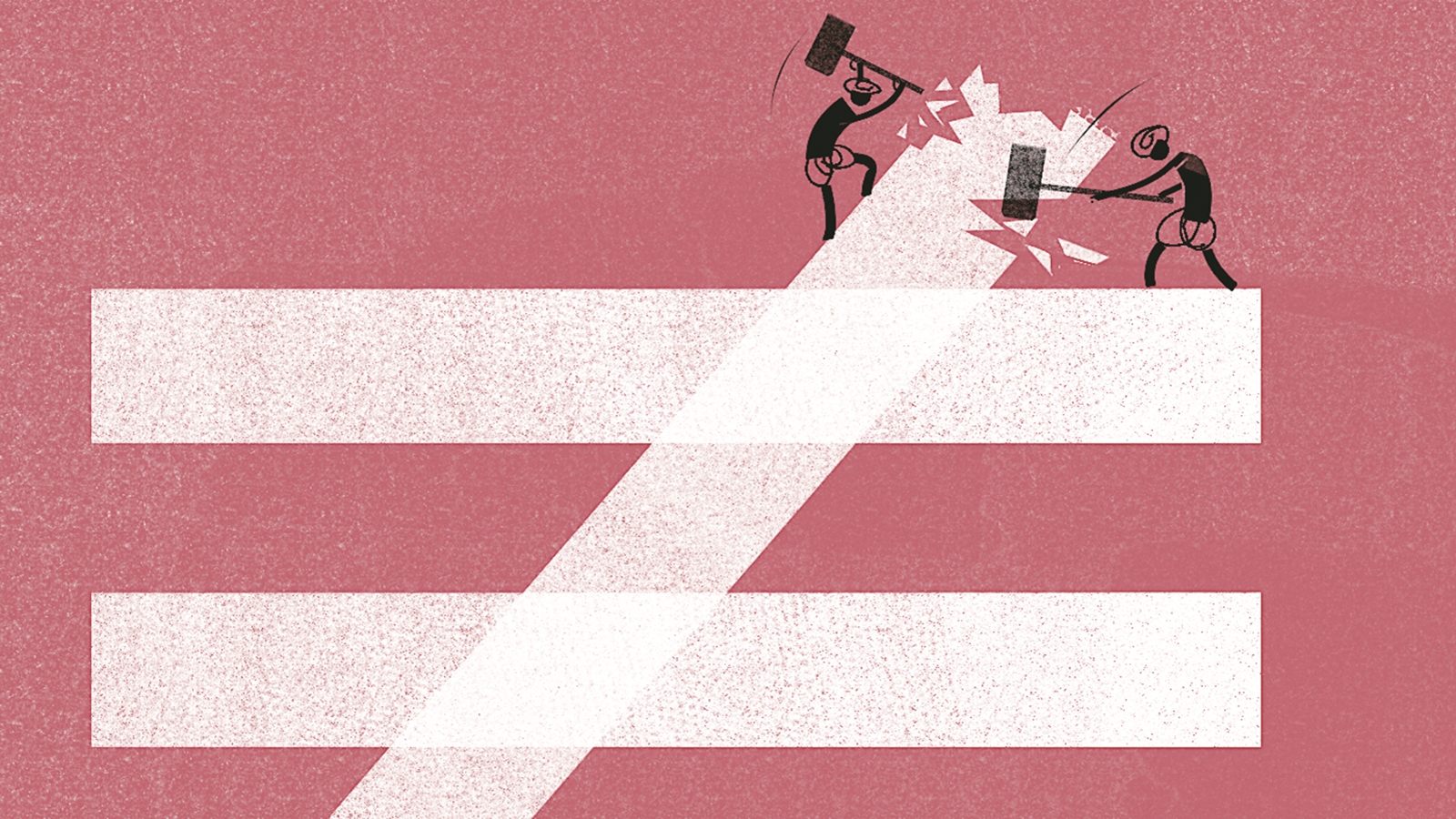
A critical analysis explores how the structural imbalances introduced during Zhu Rongji’s era of reform are contributing to China's current economic struggles. The report highlights the long-term consequences of state-led growth models.
Key Takeaways
- Zhu Rongji's reforms catalyzed growth but created deep structural imbalances.
- The tension between State-Owned Enterprises (SOEs) and the private sector remains unresolved.
- These historical policy decisions are linked to China's current debt and real estate crises.
The economic trajectory of China is currently facing significant headwinds, and many analysts point back to the era of Zhu Rongji. While his sweeping reforms in the late 1990s were instrumental in propelling China onto the global stage, Breakingviews suggests that the unbalanced nature of these changes continues to haunt the nation's current economic stability.
The Legacy of Imbalance
During his tenure, Zhu Rongji focused on modernizing State-Owned Enterprises (SOEs) and integrating China into the global trade system. However, this approach often prioritized state control over market-driven efficiency. This created a dual-track economy where the state-led sector received disproportionate support compared to the more dynamic private sector.
Why This Matters
BozokMedia analysis shows that the current crisis in China's property market and the soaring levels of local government debt are direct symptoms of this unbalanced growth model. When economic expansion is fueled primarily by state-directed investment and infrastructure, it creates systemic vulnerabilities that are difficult to correct.
The structural flaws embedded in China's economic DNA during its rapid expansion phase are now manifesting as systemic risks.
Historically, China's model relied on high investment rates to maintain GDP growth, a strategy that is reaching its mathematical and practical limits in the modern era.
Frequently Asked Questions
1. What were the core of Zhu Rongji's reforms?
Answer: His reforms focused on restructuring state enterprises and preparing China for WTO accession.
2. How do these old reforms affect China today?
Answer: They created a reliance on state-led investment, leading to current issues with debt and market inefficiency.