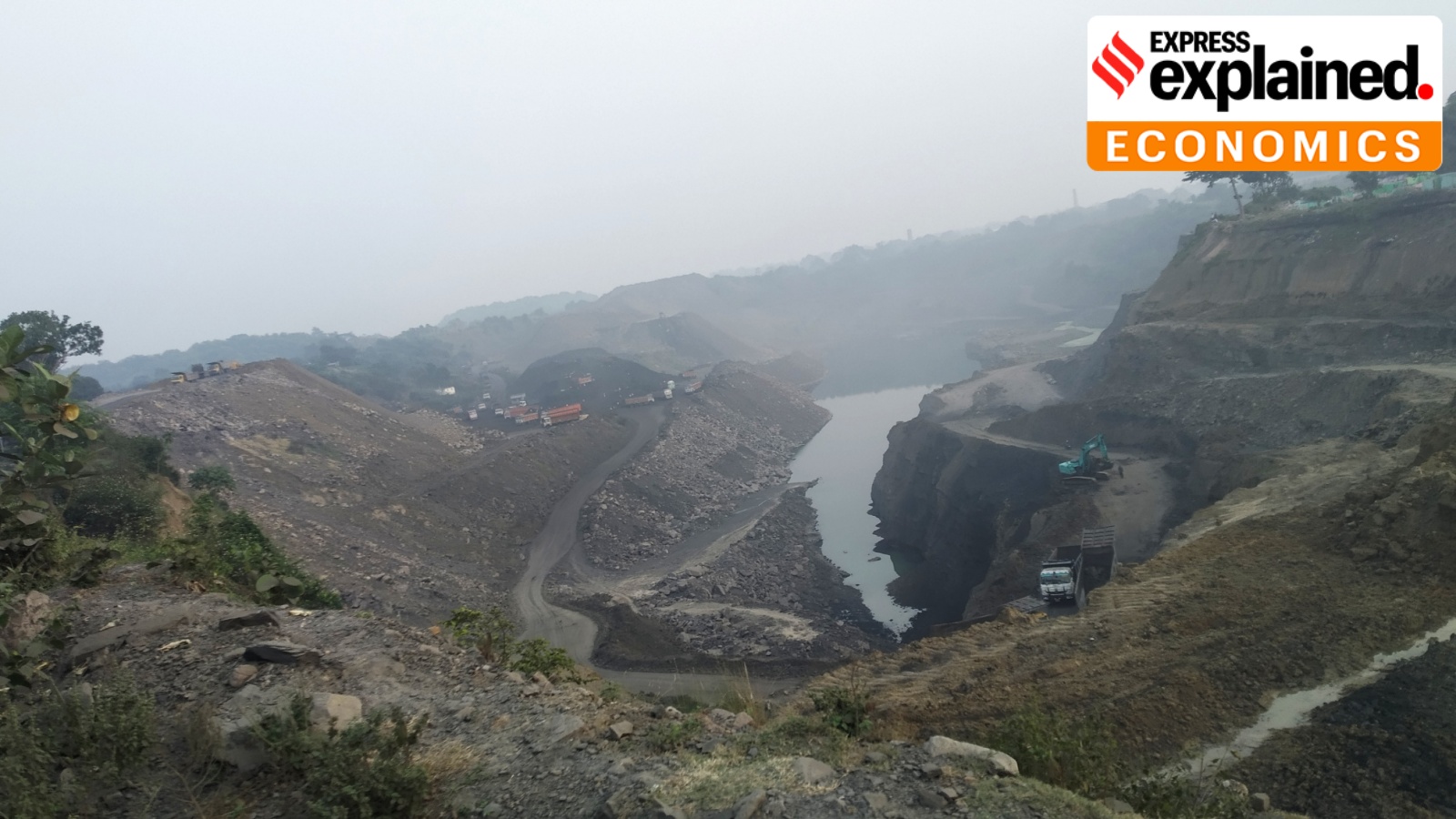
The passage of the Mines and Minerals Amendment Bill, 2026, has reignited a fierce fiscal battle between the Union Government and mineral-rich states regarding taxation rights.
Key Takeaways
- The 2026 Amendment Bill aims to restrict states from imposing specific levies on mineral rights.
- This move directly challenges the 2024 Supreme Court ruling that empowered states to tax mineral rights.
- States like Jharkhand and Tamil Nadu face significant potential revenue losses.
- The Centre argues that capping state levies will prevent inflation in mineral-based industries.
The passage of the Mines and Minerals (Development and Regulation) Amendment Bill, 2026, in Parliament has breathed new life into the long-standing tug-of-war between the Centre and various states. At the heart of this dispute is the taxation of mineral resources and the distribution of the massive revenues they generate.
The Constitutional Tug-of-War
The tension stems from a landmark 2024 Supreme Court judgment which overturned a 1989 precedent, upholding the constitutional authority of states to levy taxes on mineral rights and mineral-bearing land. Following this, states like Tamil Nadu and Jharkhand aggressively moved to implement new taxes to bolster their coffers.
Why This Matters
BozokMedia analysis shows that this legislative move is a strategic attempt by the Union to provide 'fiscal certainty' to mining corporations by preventing a 'patchwork' of state-level taxes. However, for mineral-rich states, this feels like a direct assault on their economic sovereignty. Jharkhand CM Hemant Soren has already signaled massive protests, fearing a significant dent in state finances.
The amendment provides much-needed clarity for industry players but risks destabilizing the fiscal autonomy of mineral-dependent states.
Impact Assessment: Revenue Dependence
The dependence on mining is not uniform across India. While it is a minor component for some, it is the lifeblood of others. The following table illustrates the impact across key mining hubs:
| State | Mineral Revenue Share (% of Total Revenue) | Political Stance |
|---|---|---|
| Odisha | ~23% | High Dependency |
| Jharkhand | ~13% | Strong Opposition |
| Chhattisgarh | ~5% | Significant Impact |
Frequently Asked Questions
1. Why is the Centre introducing this amendment?
The Centre aims to cap excessive state levies to keep mineral costs low and control inflation in infrastructure sectors.
2. What was the Supreme Court's role in this?
In 2024, the Supreme Court ruled that states have the legislative competence to tax mineral rights, a decision this new Bill seeks to circumvent.