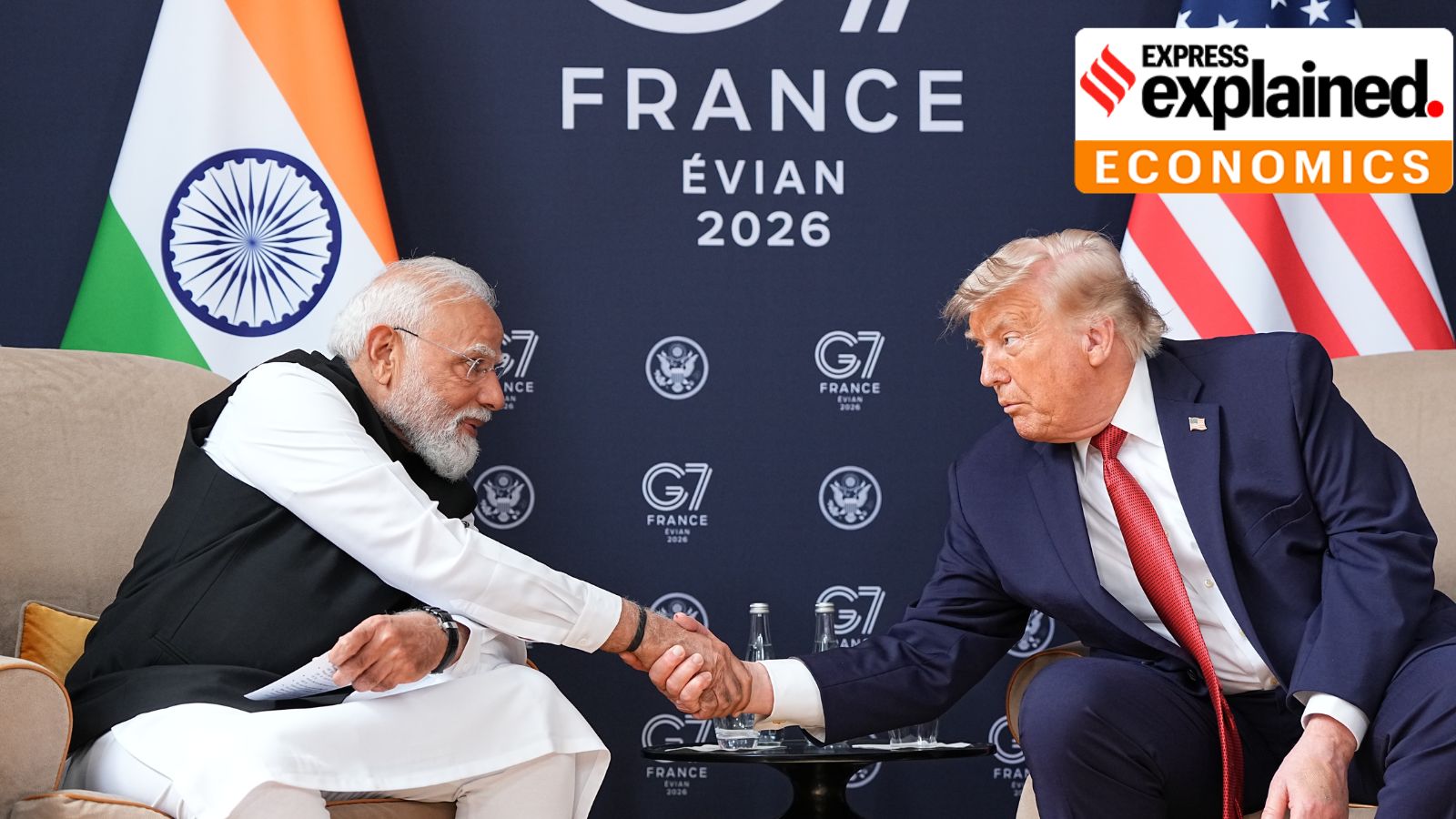
A bombshell report from the Trump administration alleges that India is part of a global 'shadow network' used to bypass US tariffs on Chinese goods. This development could reshape upcoming trade negotiations.
Key Takeaways
- India has been categorized in 'Tier-1' of the US shadow transshipment risk hierarchy.
- The report alleges Chinese goods are being rerouted through third countries to evade US tariffs.
- Estimated US tariff revenue loss due to such practices is approximately $28 billion.
- This could lead to stricter scrutiny and new clauses in future India-US trade deals.
The Trump administration has sent shockwaves through global markets with a report titled 'The Great Transshipment Scam: Global Evasion and Economic Costs.' The document alleges that over 40 countries, including India, are operating within a 'shadow transshipment network' designed to mask the true Chinese origin of manufactured goods to circumvent US trade barriers.
The Three-Tier Risk Hierarchy
The White House has strategically categorized the global trade landscape into three distinct tiers. India, along with Mexico, Canada, and the European Union, sits in 'Tier-1'—a category where the risk of illegal transshipment is deeply embedded within massive, legitimate trade flows. In contrast, 'Tier-2' includes countries like Vietnam and Malaysia, while 'Tier-3' consists of smaller economies with weaker customs enforcement like Cambodia and the UAE.
Why This Matters
BozokMedia analysis shows that this report is likely a precursor to significant legislative and tariff-related actions by the US government. The Department of Commerce’s Office of Trade and Economic Analysis (OTEA) estimates that in 2025 alone, roughly $67 billion worth of China-linked goods were transshipped through hubs like India, resulting in a staggering $28 billion loss in US tariff revenue.
The report shifts the focus from China-centric tariffs to include major trading partners, creating immense leverage for the US in bilateral negotiations.
Geopolitical and Economic Fallout
Trade lawyers suggest that India's placement in the highest risk category (Tier-1) indicates that the US will push for stringent clauses in upcoming trade agreements. This may force India to distance itself further from Chinese supply chains or face potential Section 301 tariffs. Experts warn that while imports may technically meet the letter of the law, they are increasingly being scrutinized for failing the 'spirit' of trade fairness.
Frequently Asked Questions
1. What is a 'Shadow Transshipment Network'?
It is a system where goods produced in one country (like China) are sent to a third country (like India) to be re-labeled or processed slightly before being sent to the final destination to avoid tariffs.
2. How will this affect Indian exporters?
Indian exporters may face increased scrutiny, more rigorous documentation requirements, and potential retaliatory tariffs from the US.