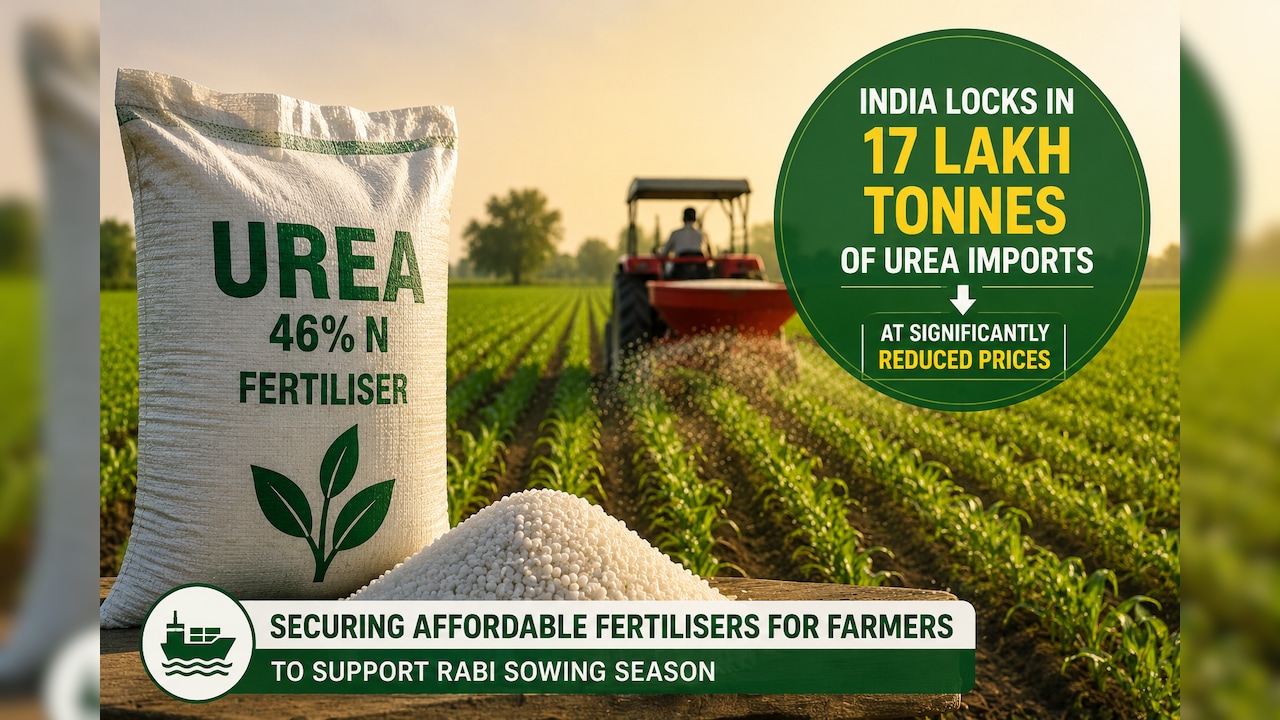
India has successfully secured 1.7 million tonnes of urea imports at rates significantly lower than previous levels, ensuring stability for upcoming crop seasons.
Key Takeaways
- India secured 1.7 million tonnes of urea at steep discounts.
- The tender was split between western (10L tonnes) and eastern (7L tonnes) ports.
- Bids received exceeded 55 lakh tonnes, showing massive market interest.
- Supply is confirmed to be comfortable for Kharif and Rabi seasons.
In a major boost to the agricultural sector, India has successfully secured tenders for the import of 1.7 million tonnes of urea. Most notably, these imports have been secured at rates significantly lower than previous procurement levels, providing much-needed relief to the fertilizer supply chain.
Strategic Port Distribution
To optimize logistics and ensure timely delivery across the subcontinent, the tender was strategically divided. A total of 10 lakh tonnes has been allocated for ports on the western coast, while 7 lakh tonnes is designated for eastern coast ports. This approach ensures that fertilizer reaches both western and eastern agricultural belts without logistical bottlenecks.
Surging Market Demand
The tender witnessed overwhelming interest from global suppliers. While the requirement was for 1.7 million tonnes, the total bids received soared to over 55 lakh tonnes. This massive surplus of bids indicates high global availability and underscores the competitive advantage India maintained during the bidding process.
Why This Matters
BozokMedia analysis shows that securing urea at these discounted rates is a critical move to curb input inflation for farmers. With the supply levels now looking comfortable for both the ongoing Kharif and the upcoming Rabi seasons, the risk of fertilizer shortages or sudden price hikes has been significantly mitigated.
Securing large-scale imports at discounted rates is a masterstroke in managing national food security and controlling agricultural inflation.
Frequently Asked Questions
1. How will this impact the cost of farming?
The lower import costs are expected to stabilize urea prices in the domestic market, reducing the financial burden on farmers.
2. Is there enough urea for the next season?
Yes, the successful tender ensures that supply remains comfortable for both the current Kharif and the upcoming Rabi seasons.