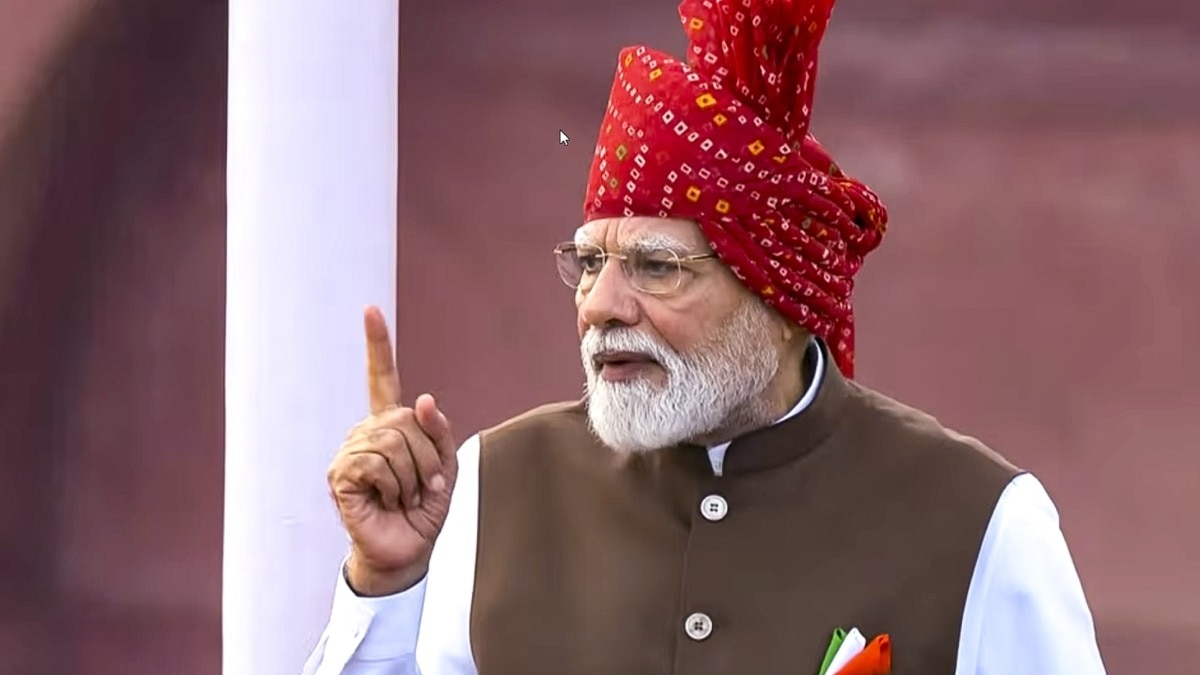
During his Independence Day address, Prime Minister Narendra Modi outlined a massive vision for India to become a semiconductor hub and announced a mega-training drive for AI skills.
Key Takeaways
- India may see 5-8 new semiconductor manufacturing plants within 7-8 years.
- The government aims to train 10 million (one crore) youth in AI skills within one year.
- The move aims to position India as a central player in the global tech supply chain.
In a landmark Independence Day address, Prime Minister Narendra Modi announced a transformative vision for India's technological landscape. The Prime Minister stated that the nation is poised to host 5 to 8 new semiconductor plants over the next 7 to 8 years. This ambitious roadmap is designed to cement India's position in the global high-tech manufacturing ecosystem.
Strengthening Technological Sovereignty
Semiconductors are the backbone of modern civilization, powering everything from consumer electronics to advanced military hardware. By scaling up domestic manufacturing, India seeks to reduce its heavy reliance on imports and insulate its economy from global supply chain disruptions. This move aligns with the broader 'Make in India' initiative, focusing on high-value electronics.
Why This Matters
BozokMedia analysis shows that as global giants look to diversify their chip manufacturing away from traditional hubs, India's aggressive push provides a timely opportunity to capture significant market share and drive industrial growth.
The expansion of semiconductor manufacturing is not just an economic move; it is a strategic necessity for India's national security and digital future.
Beyond hardware, the Prime Minister emphasized the importance of human capital. He announced a massive skill-development drive, stating that the government intends to train one crore (10 million) youth in Artificial Intelligence (AI) skills within the next year. This dual approach of building both hardware infrastructure and a skilled workforce is intended to create a complete end-to-end technology ecosystem.
Historical Background
Historically, India has been a major consumer and service provider in the semiconductor space, but a laggard in actual fabrication. The launch of the India Semiconductor Mission (ISM) marks a decisive shift from being a software-driven economy to a hardware-capable powerhouse.
Frequently Asked Questions
1. How will semiconductor plants impact the Indian economy?
They will drive massive industrial growth, reduce import costs, and create high-skilled employment.
2. What is the goal of the AI training initiative?
The goal is to empower 10 million young Indians with the skills required for the future AI-driven global economy.