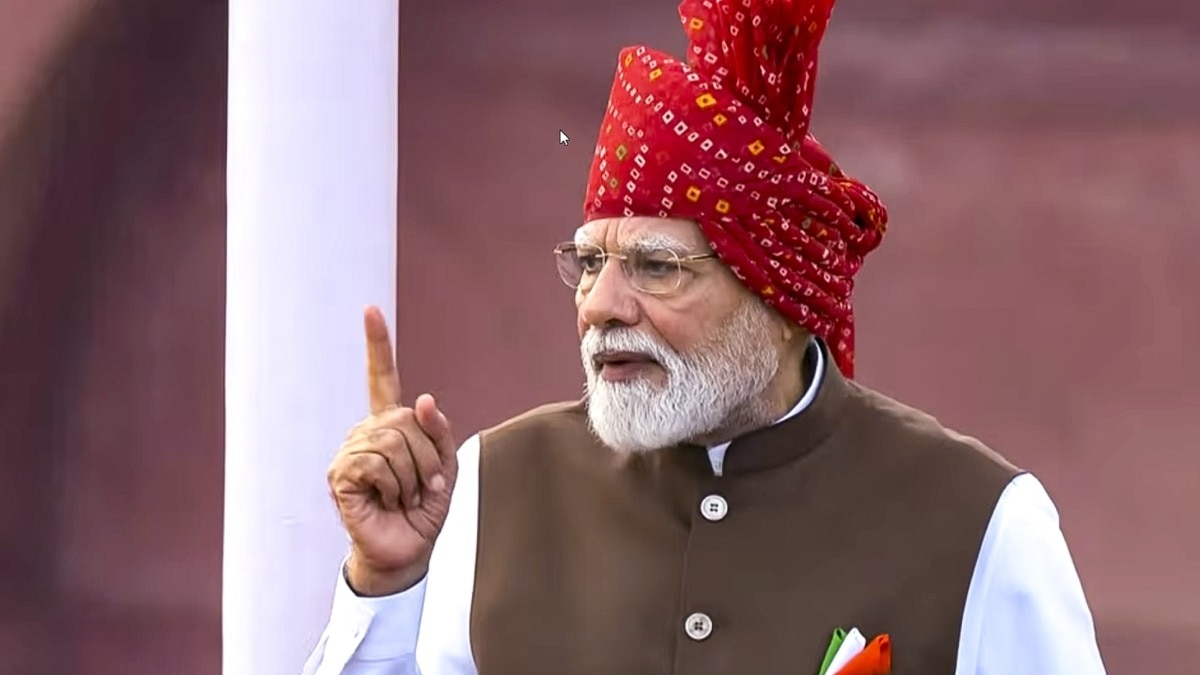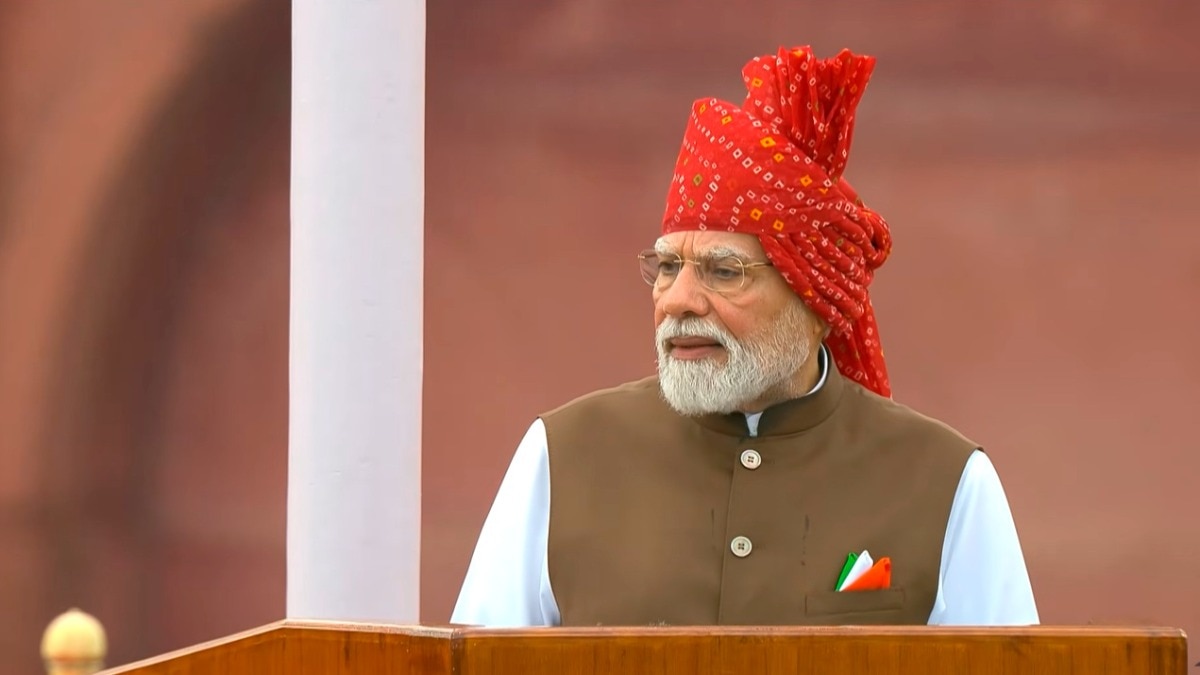
Addressing the nation from the Red Fort, PM Narendra Modi announced a strategic shift toward nuclear energy, aiming for 100GW capacity by 2047 to fuel AI and semiconductor growth.
Key Takeaways
- Five new nuclear reactors to be operationalized within this decade.
- Target of 100 GW nuclear power capacity set for the year 2047.
- Strategic focus on energy security to support AI, semiconductors, and data centers.
Prime Minister Narendra Modi, while addressing the nation from the Red Fort on India's 80th Independence Day, laid out a transformative roadmap for the country's energy landscape. He emphasized that energy security has become a critical pillar for India's technological ambitions, particularly with the rise of Artificial Intelligence (AI), semiconductors, and massive data centers.
The New Energy Imperative
Highlighting the shift in global economic drivers, the Prime Minister noted that modern industries are incredibly power-hungry. "Today, it is difficult to run the new world without energy. Whether it is chips, AI or data centres, we need enormous amounts of electricity," Modi stated. This underscores India's pivot toward a more diversified and self-reliant energy mix.
Nuclear Power: The 2047 Vision
A cornerstone of this announcement is the massive scaling of nuclear energy. Under the government's Nuclear Energy Mission, India aims to reach a staggering 100 GW of nuclear power capacity by 2047. To kickstart this momentum, PM Modi announced that five new nuclear reactors are slated to become operational within the current decade.
The rapid scaling of nuclear capacity is essential to decouple India's economic growth from carbon emissions while meeting the surging demand of the digital age.
Why This Matters: BozokMedia Analysis
BozokMedia analysis shows that this strategic push is not just about electricity; it is about geopolitical sovereignty. By investing in nuclear energy and exploring rare earth elements, India is positioning itself to lead the global supply chain for high-tech industries that require stable, low-carbon energy sources.
Historical Background
India has long sought to balance its energy needs with environmental commitments. From early investments in hydroelectricity to the recent solar revolution, the transition toward nuclear energy represents the next logical step in India's journey toward becoming a global energy superpower and achieving net-zero goals.
Frequently Asked Questions
1. What is India's target for nuclear energy by 2047?
India aims to achieve a nuclear power capacity of 100 GW by the year 2047.
2. Why is energy security critical for AI and semiconductors?
AI and semiconductor manufacturing require massive, constant, and reliable electricity supplies to function effectively.