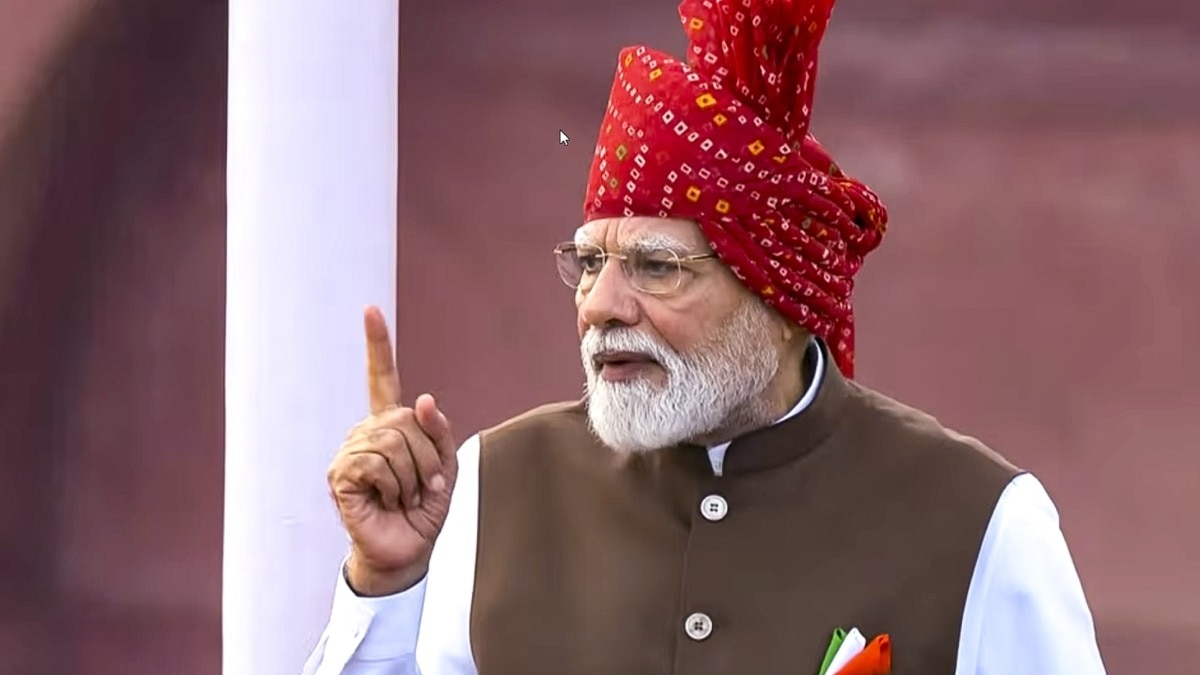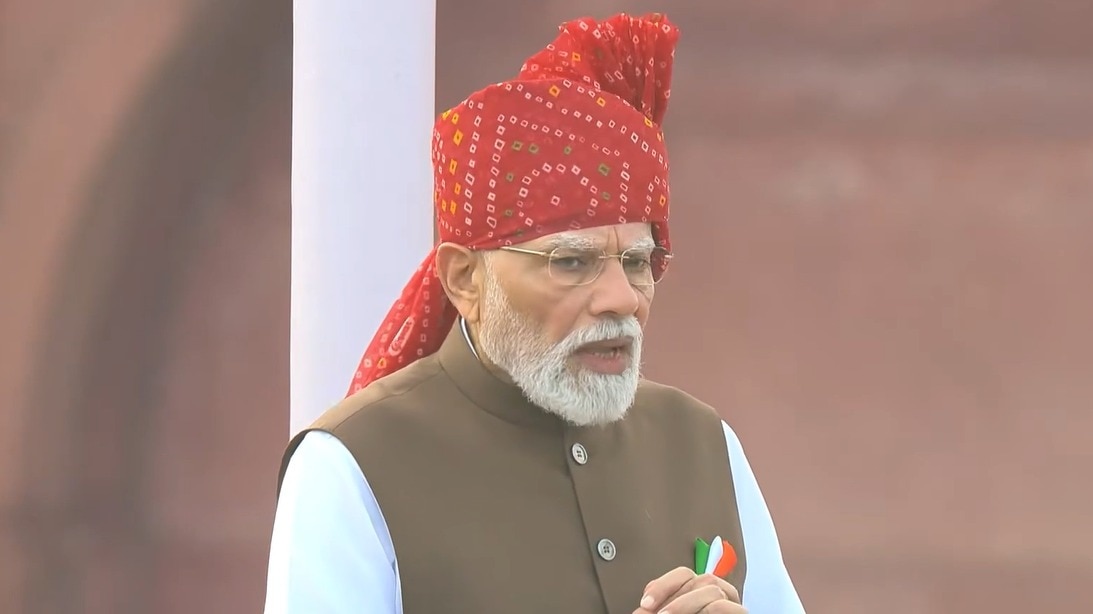
In a landmark Independence Day address, PM Narendra Modi outlined the 'Saptdhara' vision, focusing on seven strategic pillars ranging from manufacturing excellence to a green economy to transform India into a developed nation.
Key Takeaways
- PM Modi introduced the 7-point 'Saptdhara' vision for national development.
- Focus on competitive manufacturing, agriculture branding, and defense tech.
- Emphasis on Green & Blue economy and digital innovation.
- Strengthening India's soft power through Yoga and Ayurveda.
Addressing the nation from the historic Red Fort, Prime Minister Narendra Modi has laid out a transformative blueprint for the country, titled the 'Saptdhara' vision. This seven-pronged strategy is designed to propel India toward the goal of becoming a 'Viksit Bharat' (Developed India) by integrating industrial growth with sustainable practices.
The Seven Pillars of Saptdhara
The vision places heavy emphasis on Manufacturing, aiming to achieve global standards in terms of cost, quality, and scale. Simultaneously, the Prime Minister highlighted the need to transform Agriculture & Food Processing into a globally recognized brand, ensuring Indian produce dominates international markets.
To bridge the gap in connectivity and digital prowess, the vision integrates Gati-Shakti for seamless logistics and a massive push for Technology & Innovation in digital communications. In the realm of national security, the 'Raksha Shakti' pillar focuses on cutting-edge defense technologies, including drones and supersonic capabilities.
Why This Matters
BozokMedia analysis shows that the 'Saptdhara' framework is a strategic shift towards a high-value, technology-driven economy. By prioritizing the Green & Blue Economy, India is positioning itself as a leader in the global transition toward sustainability, leveraging its vast natural resources.
The Saptdhara vision represents a holistic approach to nation-building, blending hard industrial power with soft cultural influence.
Furthermore, the Prime Minister emphasized enhancing India's Soft Power. By promoting Yoga, Ayurveda, and holistic health, India aims to exert significant cultural influence on the global stage, alongside its growing economic might.
Historical Background
Since the inception of various 'Make in India' initiatives, the nation has seen a steady rise in industrial capacity. The Saptdhara vision acts as an evolution of these efforts, moving from basic industrialization to high-tech, sustainable, and globally integrated ecosystems.
Frequently Asked Questions
1. What are the core sectors mentioned in the Saptdhara vision?
The core sectors include Manufacturing, Agriculture, Technology, Gati-Shakti (Connectivity), Defense, Green/Blue Economy, and Soft Power.
2. How does the vision address national security?
Through 'Raksha Shakti,' the vision focuses on developing next-generation technologies like drones and supersonic tech to ensure indigenous defense capabilities.