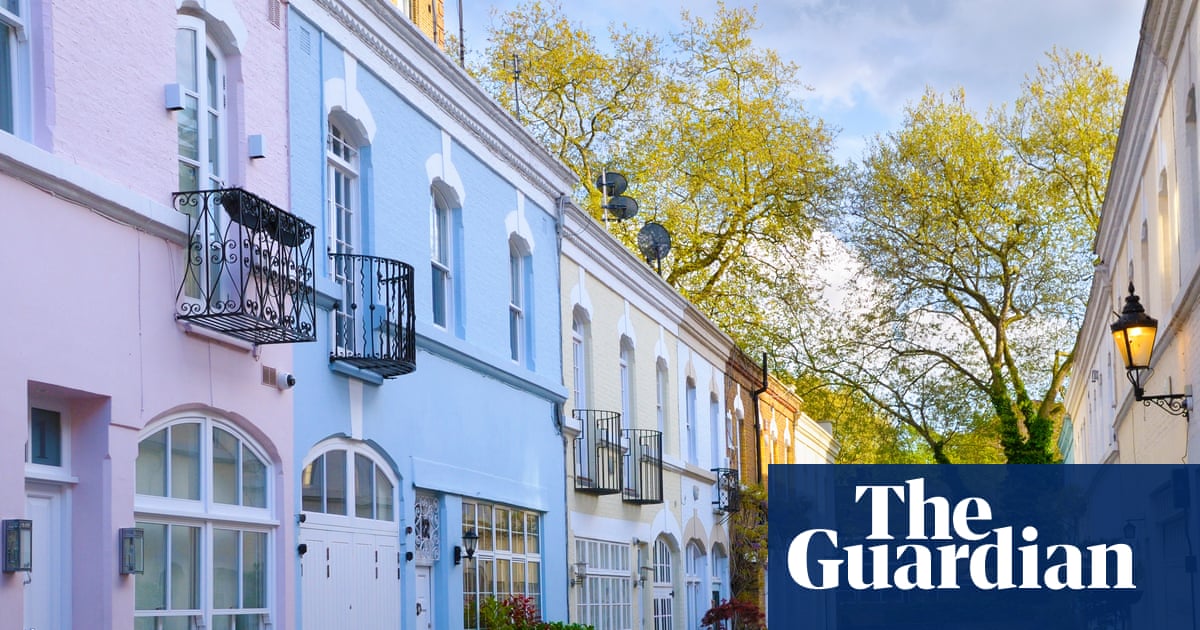
The UK's most affluent neighborhood, Kensington and Chelsea, has seen a dramatic drop in home asking prices as sellers struggle to attract buyers. Buy-to-let investors are now capitalizing on the cooling market with aggressive lowball offers.
- Asking prices in Kensington and Chelsea dropped by over £95,000 in a single month.
- London saw the steepest national decline at 4.4%, with the highest inventory in 16 years.
- Investor buyers are paying an average of only 88.7% of the initial asking price.
- Leasehold properties are facing severe stagnation, with many remaining unsold for over six months.
The luxury real estate market in London's Royal Borough of Kensington and Chelsea is experiencing a significant correction. Recent data from the property portal Rightmove reveals that the average asking price for newly listed homes in Britain's wealthiest borough has fallen by nearly £100,000 in just one month. The average price has shifted from £1,648,148 to £1,552,970, signaling a sharp shift in seller expectations.
This localized slump is part of a broader national trend. Across the UK, newly listed asking prices fell by 2% in August—the largest August drop recorded in eight years. However, the impact is most visceral in London, where prices plummeted by 4.4%, equating to an average reduction of £30,000 per property. This decline is attributed to a combination of high mortgage rates, economic instability linked to Middle East conflicts, and a general stretch in affordability for the average buyer.
Why This Matters
BozokMedia analysis shows that this is not merely a seasonal dip but a structural realignment. With the volume of available homes in London at a 16-year high, the power dynamic has shifted decisively from the seller to the buyer. The "prestige premium" that once shielded Kensington and Chelsea from market volatility is evaporating as sellers are forced to price competitively to avoid prolonged vacancies.
"This month’s larger-than-usual August price drop is a sign that many sellers are recognising the reality of the market and pricing much more competitively from day one."
Furthermore, the rise of the "lowball offer" is redefining the investment landscape. Data from Hamptons indicates that buy-to-let investors are aggressively exploiting the cooling market. In July, landlords accounted for 14.1% of all home purchases, with over 56% of their offers coming in at least 10% below the asking price—the highest level of aggression seen since the initial 2020 Covid lockdowns.
The struggle is most acute for leasehold properties. Many flats are remaining on the market for over six months without a sale, a trend Zoopla identifies as a symptom of a discredited leasehold system. Sellers of these properties are finding it nearly impossible to generate interest, even after significant price cuts.
| Metric | National Average (UK) | London Average | Kensington & Chelsea |
|---|---|---|---|
| Price Drop (%) | 2% | 4.4% | ~5.8% |
| Monetary Drop | £7,360 | ~£30,000 | ~£95,000 |
Frequently Asked Questions
Why are prices falling specifically in the richest boroughs?
High inventory levels combined with increased mortgage rates and global economic uncertainty have reduced the pool of qualified buyers, forcing sellers to lower prices to attract interest.
What is a 'lowball offer' in the current UK market?
A lowball offer is a bid significantly below the asking price; currently, many investor buyers are offering 10% or more below the listed price, and sellers are increasingly accepting them.