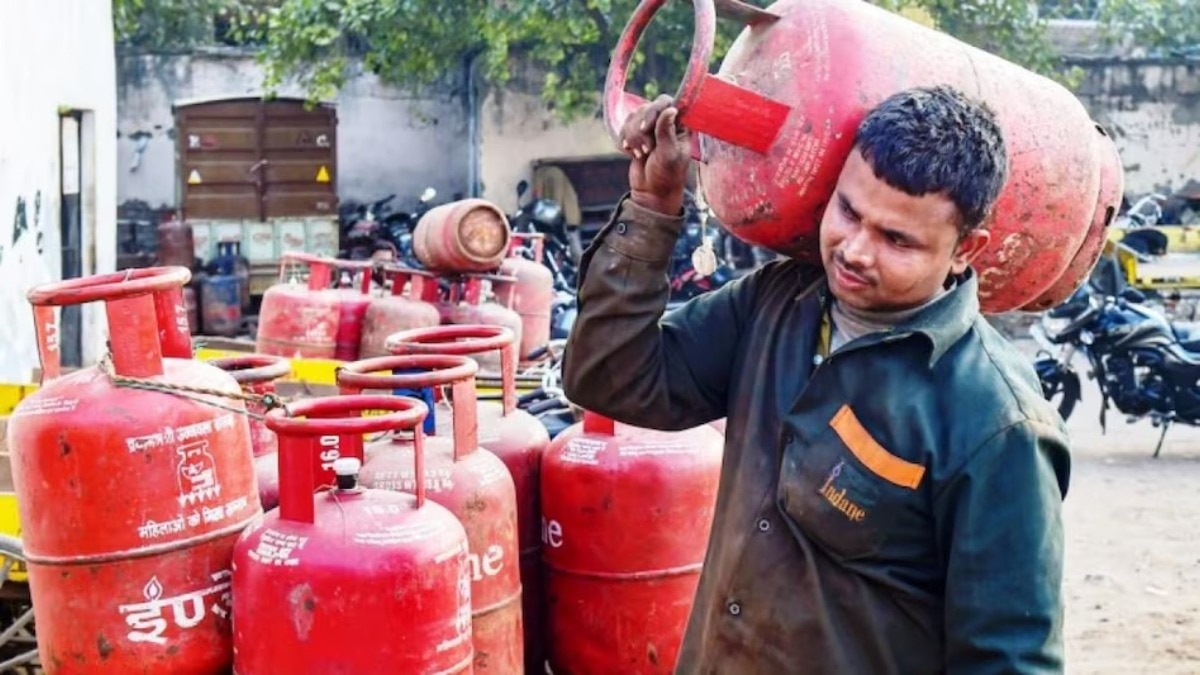
Chief Economic Adviser V Anantha Nageswaran suggests restoring E10 petrol for older engines and cautions against aggressive ethanol blending targets to protect food security.
Key Takeaways
- Proposal to bring back E10 petrol for 75-80 million older two-wheelers.
- Warning against the 'food-versus-fuel' trade-off in agricultural land use.
- Emphasis on the hidden water costs associated with ethanol feedstock crops.
- Call for caution before moving toward E27 or E30 blending targets.
Amidst a growing national debate over E20 petrol and the resulting damage to older vehicle engines, Chief Economic Adviser (CEA) Dr. V. Anantha Nageswaran and consultant Akash Poojari have proposed a strategic pivot. They suggest that India should restore the availability of E10 petrol specifically for older vehicles that lack the technical compatibility for higher ethanol blends.
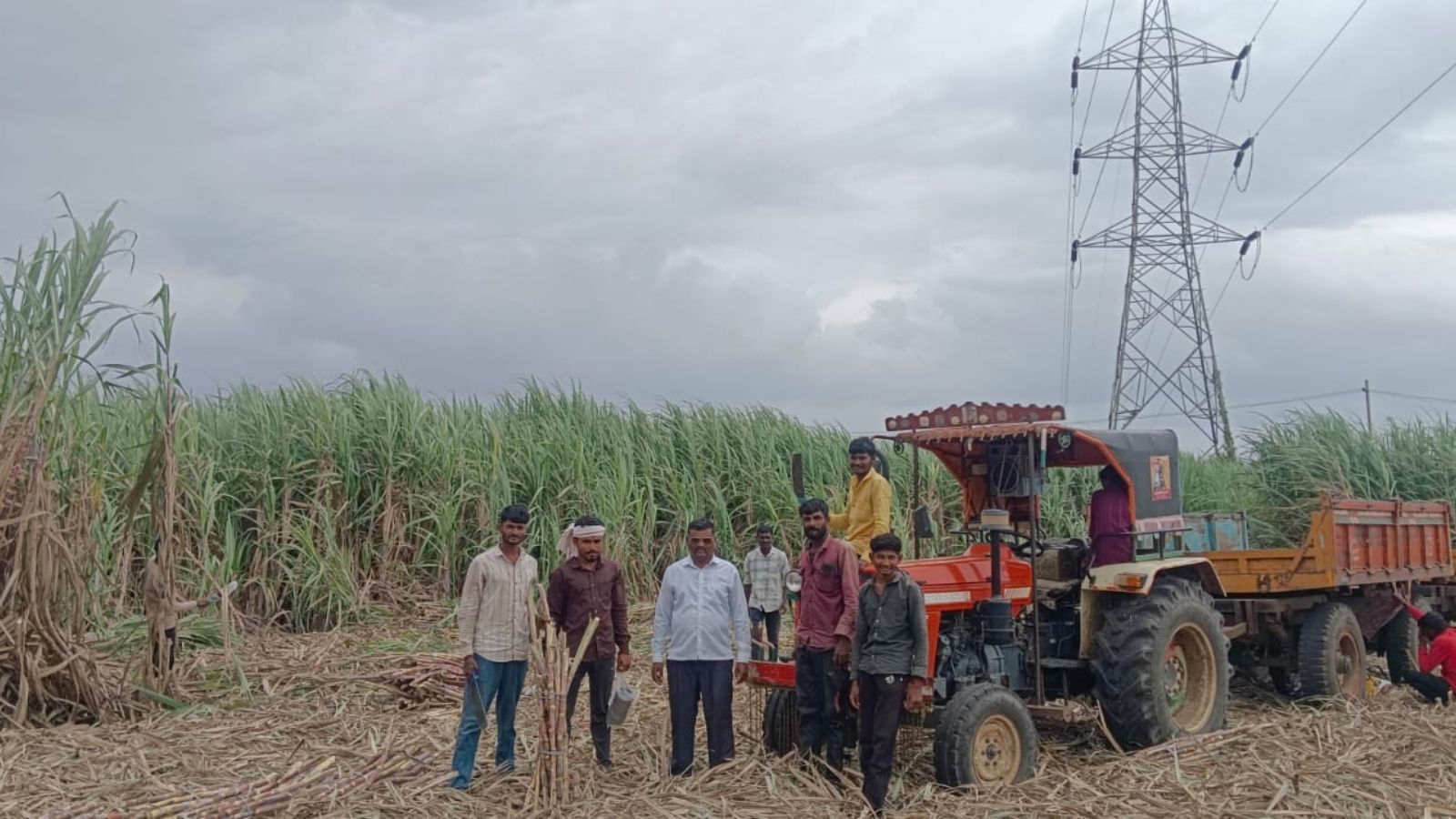
In a detailed analysis, the authors argue that India's ethanol ambition must be balanced against its agricultural realities. The core concern is the displacement of food crops. As the demand for ethanol grows, crops like maize and sugarcane are diverted from food and feed markets to distilleries, potentially inflating food prices and destabilizing the livestock sector.
Why This Matters
BozokMedia analysis shows that the government's push for energy independence via ethanol blending is hitting a critical inflection point. While reducing crude oil imports saves foreign exchange, the environmental cost—specifically water depletion—is often ignored. Sugarcane, a primary feedstock, is notoriously water-intensive, meaning fuel security could inadvertently lead to water insecurity.
"Once land and water are committed to fuel, and distilleries and cropping patterns are built around it, pulling back can be painful."
The immediate crisis affects an estimated 75 to 80 million older two-wheelers built before BS-IV standards. These carburetted engines are not designed to handle the corrosive nature of 20% ethanol, leading to long-term mechanical degradation.
| Feature | E10 Petrol | E20 Petrol |
|---|---|---|
| Ethanol Content | 10% | 20% |
| Vehicle Compatibility | Broad (Older & Newer) | Primarily BS-VI/Modern |
| Agricultural Impact | Moderate | High (Diversion of Food Grains) |
Frequently Asked Questions
1. Why is E20 petrol bad for older cars/bikes?
Higher ethanol concentrations can corrode rubber seals, gaskets, and fuel lines in older engines not designed for alcohol-blended fuels.
2. What is the 'Food vs Fuel' debate?
It is the conflict that arises when agricultural land is used to grow crops for fuel (ethanol) instead of food, potentially leading to higher food prices.