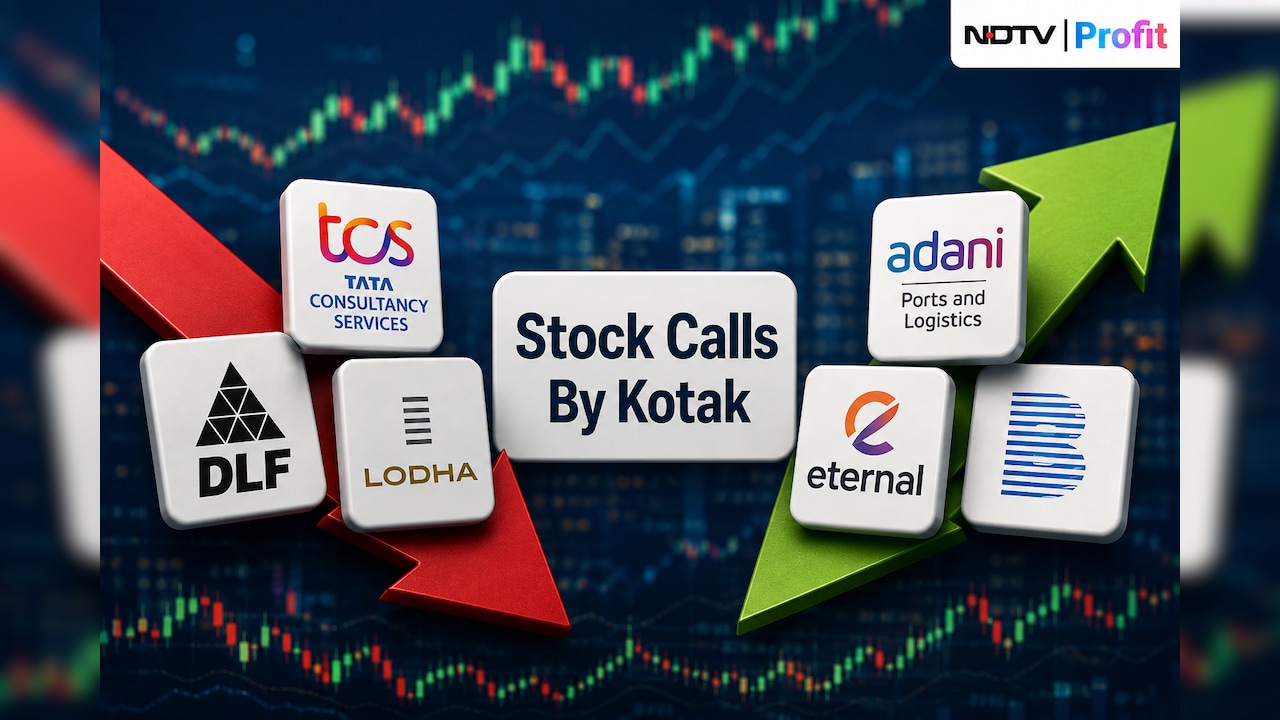
Kotak Institutional Equities has executed a strategic rotation in its model portfolio, exiting high-valuation IT and Realty stocks to pivot toward infrastructure, ports, and insurance.
- Kotak Institutional Equities removes TCS, DLF, and Macrotech Developers (Lodha) from its model portfolio.
- Strategic shift toward Adani Ports, insurance sectors, and infrastructure plays.
- Pivot driven by concerns over shaky valuations in the IT and Real Estate sectors.
In a significant move that signals a shift in market sentiment, Kotak Institutional Equities has announced a comprehensive realignment of its model portfolio. The firm has decided to exit several heavyweight positions, most notably Tata Consultancy Services (TCS), DLF, and Macrotech Developers (Lodha). This decision comes as the brokerage identifies a growing risk in the valuations of the Information Technology (IT) and Realty sectors, which have seen substantial runs in recent periods.
The rotation strategy is designed to capitalize on sectors with more sustainable growth trajectories and attractive entry points. By shedding these high-valuation assets, Kotak is rotating its capital into the ports, insurance, and infrastructure sectors. Specifically, the addition of Adani Ports suggests a bullish outlook on India's logistics and trade infrastructure, reflecting a broader macroeconomic trend of increased domestic capital expenditure.
Why This Matters
BozokMedia analysis shows that this rotation is not merely about individual stock performance but represents a systemic shift in institutional appetite. When a major player like Kotak pivots away from IT and Realty, it often signals that these sectors may have reached a valuation ceiling in the short-to-medium term. The shift toward 'hard assets' like ports and infrastructure indicates a bet on the physical growth of the Indian economy over digital services for the next quarter.
"Institutional rotation from growth-heavy IT to value-driven infrastructure typically precedes a phase of consolidation in the broader indices."
Historically, the Indian market has seen such rotations during periods of interest rate volatility. The Realty sector, in particular, is highly sensitive to borrowing costs, making the exit from DLF and Lodha a cautious move against potential headwinds in the housing finance market. Meanwhile, the insurance sector is currently viewed as an under-penetrated market with significant long-term upside.
| Sector | Action | Key Stocks Involved |
|---|---|---|
| IT & Realty | Exit/Reduce | TCS, DLF, Lodha |
| Ports & Infra | Enter/Increase | Adani Ports |
| Insurance | Enter/Increase | Sectoral Rotation |
Frequently Asked Questions
Why did Kotak exit TCS and DLF?
The primary reason is the concern over 'shaky valuations,' meaning the stock prices had risen too fast relative to their actual earnings growth.
What does this mean for the IT sector?
It suggests that institutional investors are becoming cautious about the immediate upside of IT stocks and are seeking safer or more undervalued alternatives.