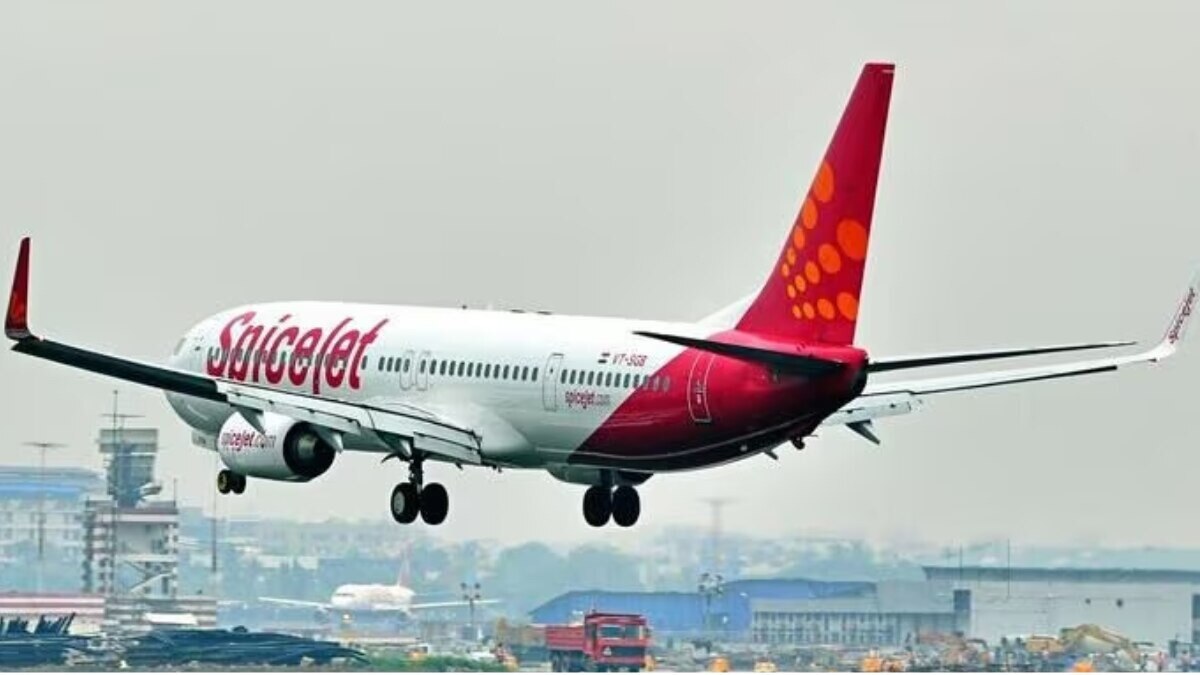
Struggling carrier SpiceJet has notified an Indian court that it has resolved disputes with several aircraft lessors. This move is seen as a critical step toward restoring its grounded fleet and improving operational capacity.
- SpiceJet has settled legal and financial disputes with some aircraft lessors.
- Agreement with Nordic Aviation Capital (NAC) facilitates the return of three aircraft.
- The airline is utilizing a $50 million credit line to revive 25 grounded planes.
In a significant legal update, SpiceJet has informed an Indian court that it has successfully resolved disputes with some of its aircraft lessors. This development comes at a precarious time for the airline, as it continues to battle mounting unpaid dues and operational hurdles that have crippled its fleet size over the past few years.
The Context of the Conflict
SpiceJet has been under immense pressure due to a series of quarterly losses, leading to a liquidity crunch. This financial instability resulted in missed lease payments, prompting several international lessors to seek legal recourse. Many of these lessors approached the Indian aviation regulator to deregister aircraft, effectively attempting to reclaim their assets from the airline's possession.
Strategic Settlement with Nordic Aviation Capital
According to reports, a pivotal agreement was reached with Nordic Aviation Capital (NAC). As part of this settlement, three aircraft that had been repossessed are expected to return to SpiceJet's operational fleet. The airline had been operating five Bombardier Q400 aircraft from NAC, and the new agreement reportedly clears all past liabilities associated with these specific aircraft.
Why This Matters
BozokMedia analysis shows that SpiceJet is currently in a 'recovery phase' where regaining trust with global lessors is as important as raising capital. The return of aircraft directly impacts the airline's ability to generate revenue through increased flight frequency. However, the sustainability of this recovery depends on whether the airline can secure a permanent equity infusion to clear remaining debts.
The aviation leasing market is highly sensitive to credit risk; SpiceJet's ability to settle these disputes is a signal to the market that the airline is still fighting for viability.
Beyond the NAC agreement, SpiceJet has been pursuing multiple avenues to rebuild its fleet. In June 2023, the carrier announced a deal with FTAI Aviation to lease up to 20 engines. Furthermore, the company has initiated efforts to revive 25 grounded aircraft using a combination of internal funds and a $50 million line of credit secured through an Indian government-backed scheme.
Frequently Asked Questions
Q1: Which lessor did SpiceJet settle with recently?
A: SpiceJet settled disputes with Nordic Aviation Capital (NAC), leading to the potential return of three Bombardier Q400 aircraft.
Q2: How is SpiceJet funding the revival of its grounded fleet?
A: The airline is using its own internal funds and a $50 million credit line obtained via an Indian government scheme.