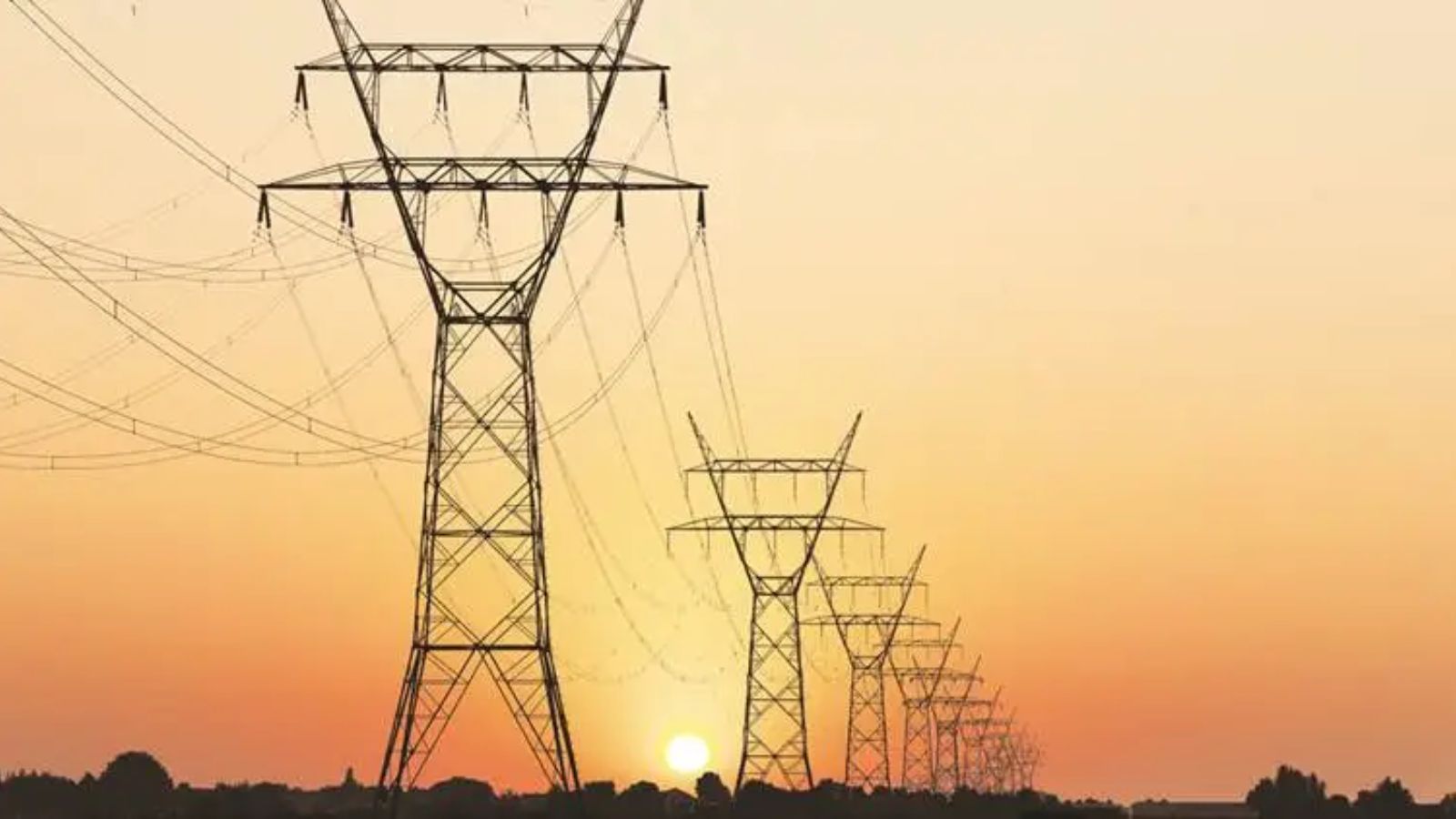
State governments in India are hiving off agricultural electricity loads into separate entities to clean up DISCOM balance sheets. While presented as an efficiency move, experts warn it may be a precursor to privatizing profitable urban power sectors.
Key Takeaways
- States like Telangana and Maharashtra are creating dedicated Agriculture DISCOMs to segregate losses.
- Agriculture accounts for ~20% of power consumption but is the most subsidized sector.
- Public sector DISCOMs face a staggering accumulated loss of ₹6.77 lakh crore.
- Concerns are rising that this 'cleaning' of balance sheets facilitates the privatization of profitable industrial loads.
In a bid to solve the chronic insolvency of electricity distribution companies (DISCOMs), several Indian state governments are opting for a structural carve-out. By transferring agricultural consumers to separate entities, states like Telangana and Maharashtra aim to shield the primary utilities from the massive losses associated with farm power supply.
The agricultural sector is the most heavily subsidized consumer category in the power sector. Because tariffs are kept artificially low for farmers, DISCOMs rely heavily on state subsidies and cross-subsidies from commercial and industrial (C&I) consumers. Any delay in government subsidy payments leads to a working capital crunch, hindering critical network upgrades.
Why This Matters
BozokMedia analysis shows that this segregation creates a 'good bank, bad bank' scenario. By moving the loss-making agricultural load to a separate government-run entity, the original DISCOM becomes financially viable and attractive to private investors. This effectively isolates the social obligation of providing cheap power to farmers into a state-funded shell, while the profitable urban and industrial segments are primed for privatization.
"These DISCOMs will become exclusive government subsidy-based agencies. The purpose of these DISCOMs is to segregate losses and enable privatisation of profits."
In Maharashtra, the MSEDCL carried a massive burden where 78% of net receivables were owed by agricultural consumers. The government's plan to write down ₹32,679 crore of these dues via government securities is a clear attempt to sanitize the parent company's books. Similarly, Telangana's Rythu Power Distribution Company Ltd inherited ₹26,950 crore in payables, making it a subsidy-dependent entity from day one.
| State | Strategy | Financial Impact/Liability |
|---|---|---|
| Telangana | Rythu Power DISCOM | ₹26,950 Cr payables transferred |
| Maharashtra | MSEB Solar Agro Power | ₹32,679 Cr dues written down |
| Haryana | Proposed (Deferred) | Blocked by employee opposition |
Frequently Asked Questions
Q1: Why are separate Agri-DISCOMs being created?
To separate the high-loss agricultural load from the profitable industrial load, thereby improving the financial health of the main DISCOM.
Q2: Does this move help the farmers?
Not directly. It is a financial restructuring move. The risk is that if the new entity lacks funds, the reliability of power supply to farms could decrease.