Following widespread opposition to mandatory E20 fuel, the Indian government is holding preliminary talks to introduce E10 petrol as an alternative for older vehicles. This move aims to address concerns regarding mileage loss and engine wear.
- Ongoing debate exists regarding E20 fuel's impact on older vehicle engines.
- Preliminary discussions are underway to potentially reintroduce E10 (10% ethanol) petrol.
- Chief Economic Adviser has publicly supported offering more fuel choices.
- Infrastructure upgrades at petrol pumps remain a massive logistical hurdle.
Amid the intensifying controversy surrounding E20 fuel—a blend of 80% petrol and 20% ethanol—the Indian government has entered early exploratory discussions to potentially reintroduce E10 petrol (10% ethanol). This move comes in response to growing backlash from motorists, particularly owners of older vehicles, who claim the high ethanol blend causes significant mileage reduction and engine component degradation.
India achieved its 20% ethanol blending target significantly ahead of schedule, but the transition has not been seamless for all segments of the automotive market. While vehicles manufactured after April 2023 under BS6 Phase 2 norms are fully E20-compliant, millions of older vehicles currently on the road were designed for lower blends or pure petrol.
Why This Matters
BozokMedia analysis shows that this policy pivot is critical for maintaining consumer confidence in India's green energy transition. The tension between meeting aggressive biofuel blending targets and protecting the existing vehicle fleet represents a significant socio-economic challenge for the Ministry of Petroleum and Natural Gas.
Restoring a lower blend like E10 alongside E20 would calm public concern and protect the existing fleet while the retrofit programme catches up.
The push for more options gained momentum following an opinion piece co-authored by Chief Economic Adviser V. Anantha Nageswaran. He suggested that providing E10 would mitigate public anxiety and protect older engines without completely halting the momentum of ethanol adoption.
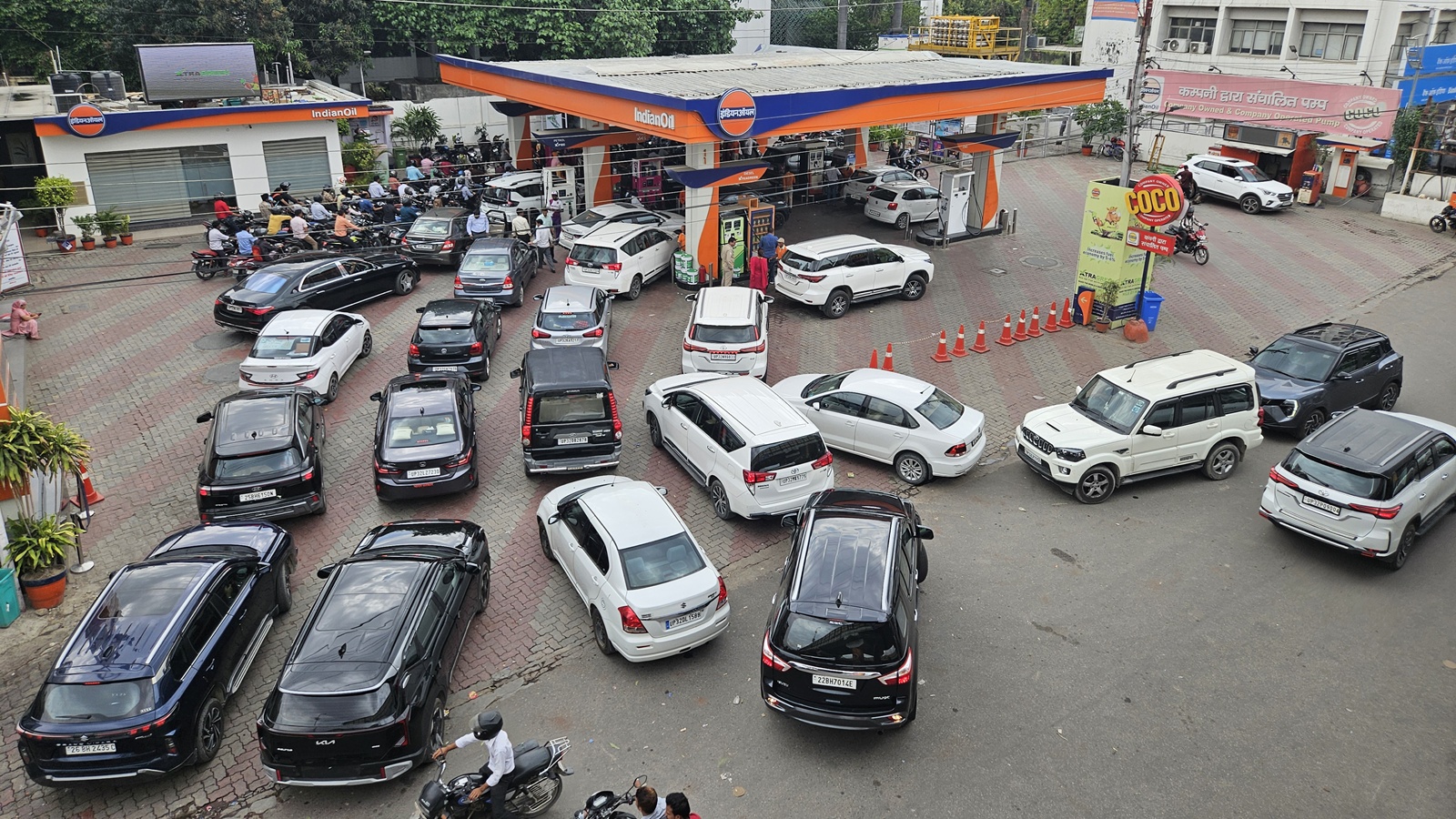
However, the logistics of implementing a dual-fuel system are daunting. Industry officials warn that retailing E10 and E20 simultaneously would require a massive overhaul of the supply chain. Most retail outlets in India currently utilize single or dual underground tanks; adding a third high-volume fuel variant would necessitate expensive infrastructure upgrades, including separate dispensers and parallel supply lines from refineries.
| Feature | E10 Petrol | E20 Petrol |
|---|---|---|
| Ethanol Content | 10% | 20% |
| Vehicle Compatibility | Older & New Vehicles | Post-April 2023 Models |
| Estimated Mileage Impact | Minimal | 3-5% drop in older engines |
Frequently Asked Questions
Q1: Why is E20 fuel controversial for older cars?
A1: Older engines were not engineered for high ethanol concentrations, which can lead to increased wear on components and a noticeable drop in fuel efficiency.
Q2: Will introducing E10 increase petrol prices?
A2: While the government aims for efficiency, the cost of building parallel supply chains and upgrading pump infrastructure could potentially impact retail pricing.