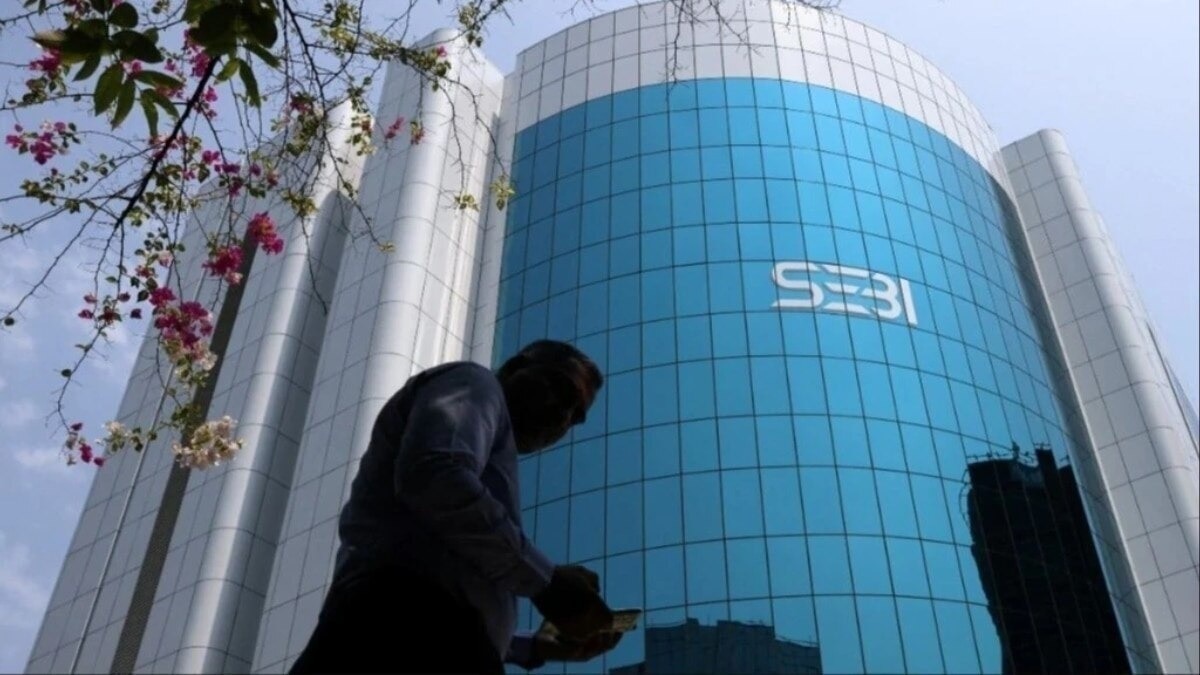
Indian benchmark indices Sensex and Nifty faced downward pressure in early trade on Tuesday, driven by escalating tensions in West Asia and a spike in global crude oil prices.
- BSE Sensex dropped 278.32 points to 77,450.64; NSE Nifty fell 57.65 points to 24,230.45.
- Brent crude oil prices climbed to $91.46 per barrel due to Iran-US tensions.
- Rising US 10-year bond yields (4.73%) are deterring FII inflows.
- Major laggards include Bharti Airtel and Infosys, while Reliance and Axis Bank showed resilience.
The Indian equity markets opened on a cautious note this Tuesday, August 18, 2026, as investors reacted to a volatile geopolitical landscape. The BSE Sensex plummeted by 278.32 points to settle at 77,450.64, while the NSE Nifty edged lower by 57.65 points to 24,230.45. This decline marks a continuation of a bearish trend, with the Nifty recording losses for the fifth consecutive session.
The primary catalyst for the slump is the surge in Brent crude, which is currently trading at $91.46 per barrel. India, being a major importer of crude oil, is hypersensitive to price hikes, which typically lead to higher inflation and a widened current account deficit. The price spike is directly linked to escalating tensions between the United States and Iran, creating a risk premium in the energy markets.
Beyond oil, macroeconomic pressures from the US are weighing on domestic sentiment. The US 10-year bond yield has climbed to 4.73%. Historically, rising US yields make emerging market assets less attractive, leading to Foreign Institutional Investor (FII) outflows. Indeed, exchange data reveals that FIIs offloaded equities worth Rs 2,535.10 crore on Monday alone.
Why This Matters
BozokMedia analysis shows that the Indian market is currently caught in a 'perfect storm' of geopolitical instability and monetary tightening in the West. While the domestic economy remains resilient, the reliance on imported energy makes the Sensex vulnerable to every flare-up in West Asia. The divergence between winners like Reliance Industries and laggards like Infosys suggests that investors are rotating into value stocks and energy-linked giants during this volatility.
"Elevated crude, with Brent near $91 on unresolved Iran tensions, kept sentiment guarded. Wall Street mirrored the caution." - Rajesh Palviya, Head of Research at Axis Direct.
The global context further reinforces the bearish mood. Asian peers, including Japan's Nikkei 225 and South Korea's Kospi, also traded lower. This synchronized decline suggests a broader global risk-off sentiment triggered by the uncertainty in the Middle East and the trajectory of US interest rates.
| Index/Asset | Current Value/Change | Trend |
|---|---|---|
| BSE Sensex | 77,450.64 (-278.32) | Downward |
| NSE Nifty | 24,230.45 (-57.65) | Downward |
| Brent Crude | $91.46 per barrel | Upward |
| US 10-Year Yield | 4.73% | Upward |
Frequently Asked Questions
1. Why does rising crude oil affect the Indian stock market?
Higher oil prices increase the cost of production and transportation, leading to inflation and putting pressure on the Indian Rupee, which generally causes a decline in stock prices.
2. What is the impact of US bond yields on FIIs?
When US bond yields rise, investors get better risk-free returns in the US, prompting them to withdraw money from emerging markets like India to reinvest in US Treasuries.