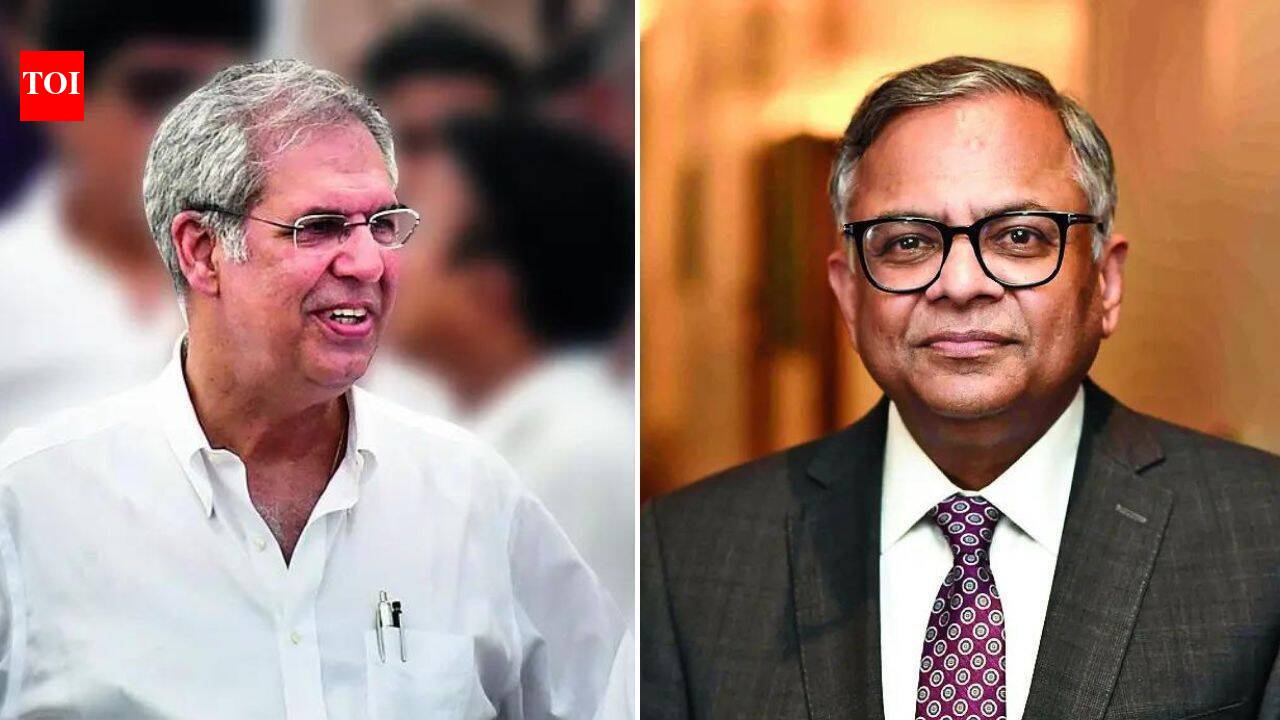
Ahead of N Chandrasekaran's announcement to step down as Tata Sons Chairman, both he and Tata Trusts Chairman Noel Tata separately engaged with senior government officials to discuss strategic rifts and governance concerns.
- N Chandrasekaran and Noel Tata separately alerted government functionaries about internal turmoil within the Tata conglomerate.
- The rift centers on strategic direction, governance, and the trajectory of new business ventures.
- Financial losses in Air India and semiconductor ventures were key points of contention.
- An IPO for Tata Sons is being considered as a structural solution to resolve the Trust-Company conflict.
In a rare move for a private sector giant, the top leadership of the Tata Group has reached out to senior government officials to disclose internal friction. This occurred just before N Chandrasekaran announced his decision to step down as the Chairman of Tata Sons in February. The briefings highlighted a significant divide between Chandrasekaran and Noel Tata, the Chairman of Tata Trusts, regarding the group's future strategy and governance.
The discussions reportedly touched upon the direction of new business ventures and the lingering uncertainty surrounding Chandrasekaran's potential reappointment. While the government maintained a neutral stance, the fact that both leaders sought individual audiences with officials underscores the severity of the internal disconnect.
Why This Matters
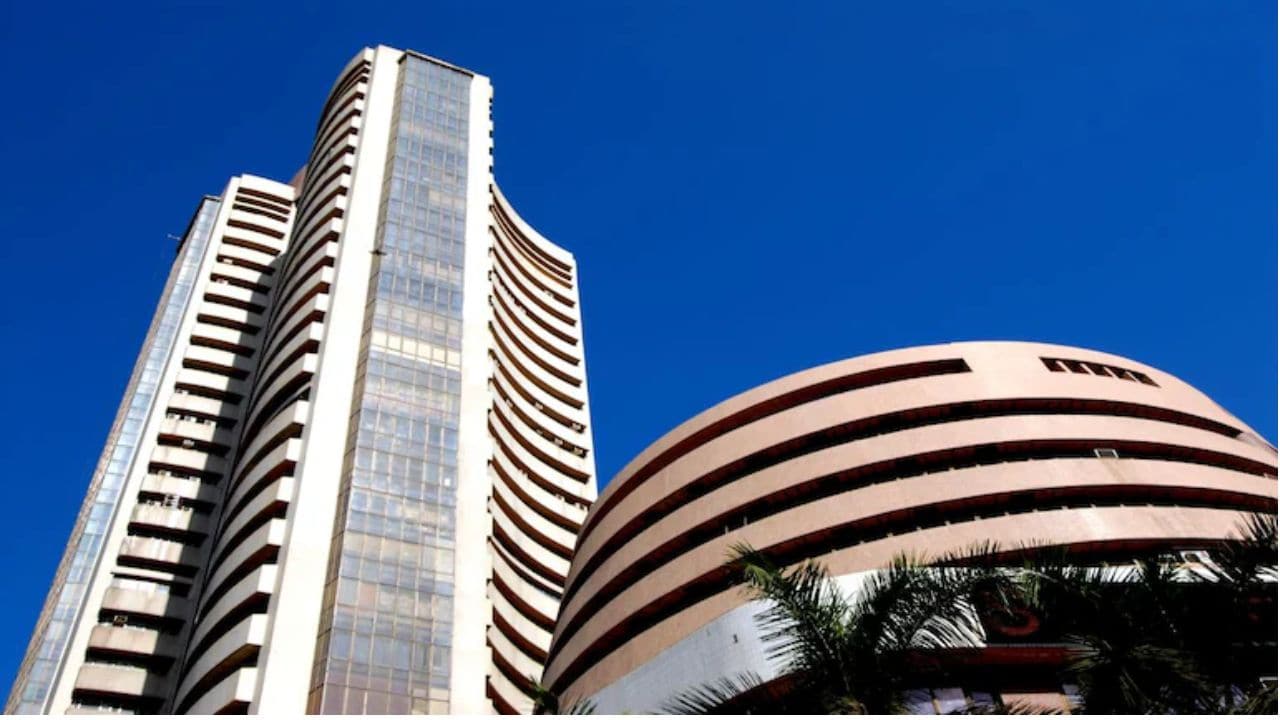
BozokMedia analysis shows that the Tata Group is viewed as a 'systemically important' entity by the Indian state. Unlike typical private firms, any instability at the top of the Tata hierarchy can send ripples through the Indian stock market and industrial landscape. The decision to brief the government suggests that the leadership felt the internal deadlock had reached a point where external mediation or awareness was necessary to prevent systemic risk.
Specific concerns were raised regarding the financial performance of Air India, the group's digital platforms, and its ambitious but costly semiconductor ventures. These losses have become a flashpoint for disagreement between the management (Tata Sons) and the controlling shareholders (Tata Trusts).
"The recurring tensions between the Chairman of Tata Sons and the Chairman of the Trusts suggest a deep-seated structural flaw that requires a long-term institutional fix."
This is not the first time the government has been looped into Tata's internal dynamics. In 2025, following Noel Tata's succession of Ratan Tata, similar tensions prompted separate engagements with officials. More recently, in June 2026, Noel Tata met with Reserve Bank of India (RBI) officials to discuss the implications of a potential Initial Public Offering (IPO) for Tata Sons, which could dilute the Trusts' control.
Frequently Asked Questions
Question 1: Why did the Tata leadership involve the government in a private dispute?
Due to the systemic importance of the Tata Group to the Indian economy, the leadership sought to ensure the government was aware of the transition and the strategic rifts to maintain stability.
Question 2: Could an IPO solve the conflict between Tata Sons and Tata Trusts?
Some trustees believe an IPO would redefine the relationship between the dominant shareholder (Trusts) and the company, providing a transparent market-based governance structure.