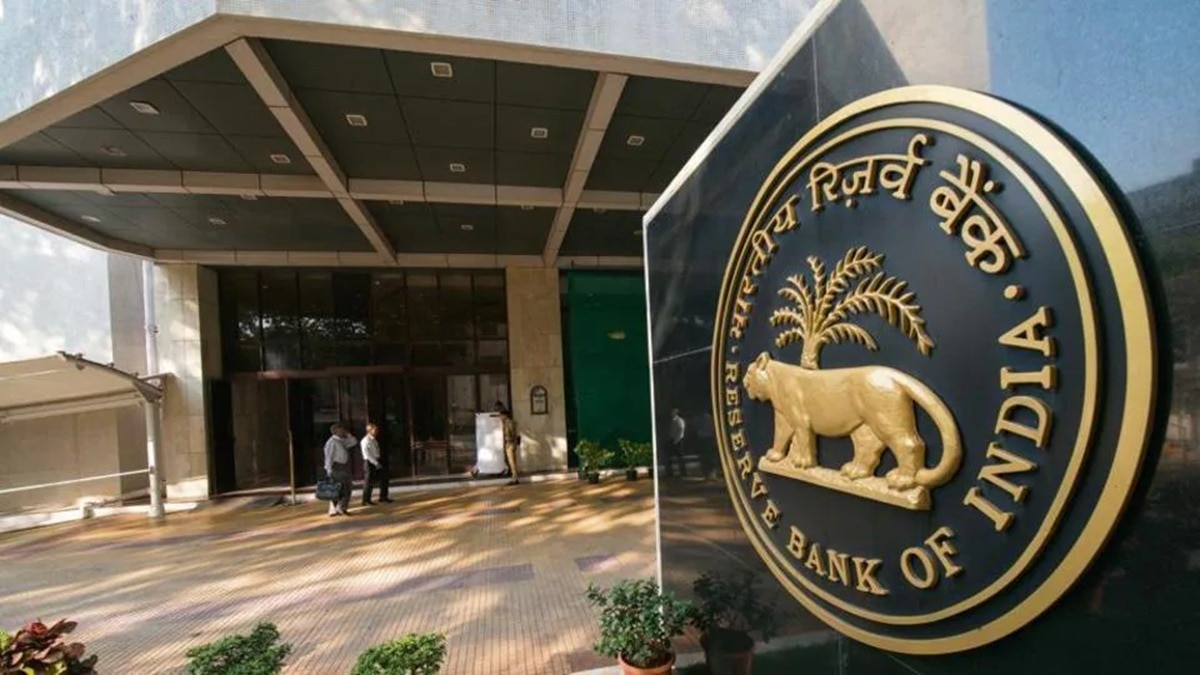
The Reserve Bank of India (RBI) has released a draft framework for floating rate loans aimed at enhancing transparency in benchmark changes and interest rate determination. The proposal ensures no migration fees and mandates customer consent for shifting to the new framework.
- Increased transparency in the determination of benchmarks and spreads for floating rate loans.
- Customer consent is mandatory for migrating existing loans to the new framework.
- Migration process will be free of cost and must be completed by April 1, 2029.
- Mandatory linkage of new personal and MSME loans to external benchmarks for commercial banks.
The Reserve Bank of India (RBI) has introduced a pivotal proposal to protect borrowers of floating rate loans. By releasing the 'Reserve Bank of India (Interest Rates on Loans and Advances) Directions, 2026' draft, the central bank aims to standardize the process of benchmark migration and interest rate resets, ensuring that lenders cannot arbitrarily alter terms to the detriment of the borrower.
Strict Guidelines on Benchmarks and Spreads
Under the proposed framework, the RBI seeks to limit the flexibility lenders have in altering the 'spread'—the margin added to the benchmark rate. Changes to the credit-risk premium will now only be permitted following a detailed review of the borrower's credit profile. Furthermore, other components such as operating costs and business strategy premiums generally cannot be altered for three years, unless the change is designed to benefit the customer on a non-discriminatory basis.
Why This Matters
BozokMedia analysis shows that this regulatory shift is a direct response to the lack of transparency in internal benchmark systems used by many banks. By capping the reset frequency at three months and requiring explicit documentation in loan agreements, the RBI is effectively eliminating 'hidden' rate hikes, providing borrowers with much-needed predictability in their monthly financial planning.
"The transition to mandatory external benchmarks for retail and MSME loans will dismantle the 'black box' of internal bank pricing, fostering true competition in the lending landscape."
Migration Path for Existing Borrowers
For those already holding floating rate loans, the RBI has proposed a one-time option to migrate to the new framework. This transition must be completed by April 1, 2029. Crucially, banks are prohibited from charging any migration fees, and the new interest rate post-migration cannot exceed the rate that was applicable immediately prior to the shift.
| Feature | Current State | Proposed Framework (Draft) |
|---|---|---|
| Benchmark Transparency | Limited / Internal | High / Mandatory External |
| Migration Fee | Bank-dependent | Zero Fee (Free) |
| Spread Adjustment | Lender's discretion | Based on Credit Profile Review |
Implementation Timeline and Impact
If the draft is finalized without significant modifications, it is expected to come into effect on April 1, 2027. Commercial banks will be required to link new personal and MSME loans to external benchmarks such as the RBI Policy Repo Rate, Treasury Bill yields, or the Secured Overnight Rupee Rate. This will ensure that loan rates react dynamically and fairly to macroeconomic shifts.
Frequently Asked Questions
1. Is it mandatory to migrate my existing loan to the new framework?
No, migration is optional and requires the explicit consent of the borrower.
2. Will my EMI increase after migrating to the new rules?
The proposal states that the new interest rate after migration cannot be higher than the rate applied just before the migration process.