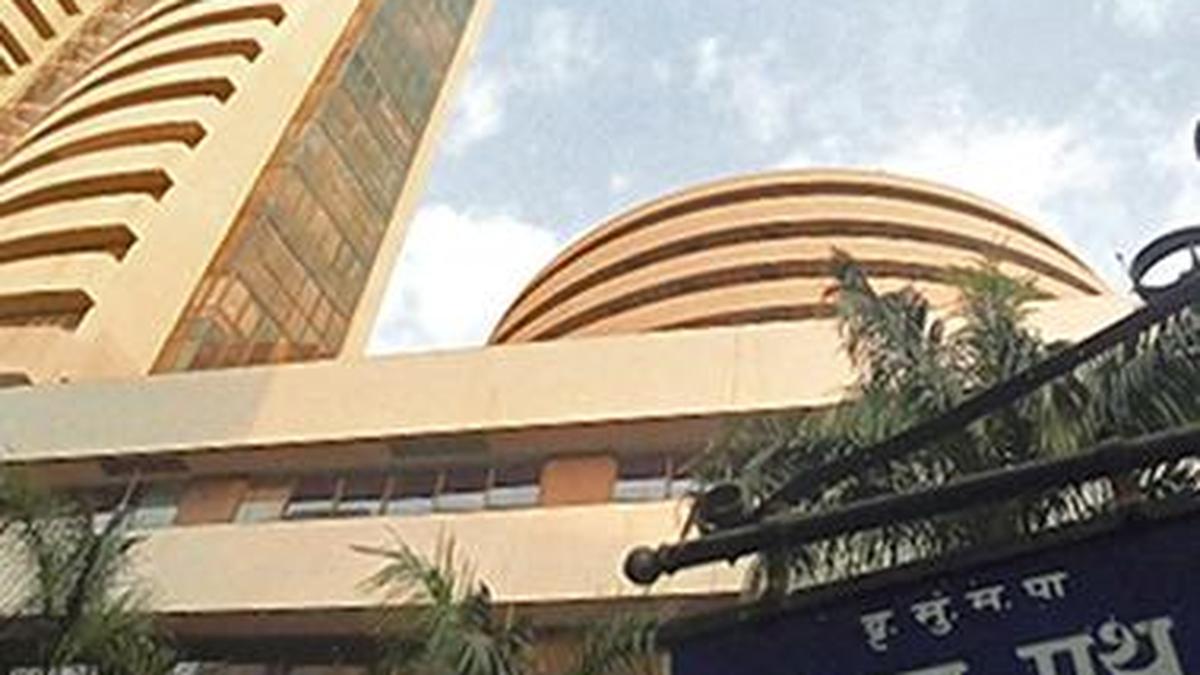
Indian benchmark indices witnessed a sharp sell-off on Tuesday, with the Sensex dropping 493 points and the Nifty marking its sixth straight day of losses. The primary drivers were rising Brent crude prices and geopolitical tensions in West Asia.
- BSE Sensex fell 492.70 points (0.63%) to settle at 77,235.46.
- NSE Nifty dropped 132.75 points (0.55%) to close at 24,154.90.
- Brent crude oil climbed to over $91 per barrel.
- IT and Financial sectors faced significant selling pressure.
The Indian equity markets faced a grueling session on Tuesday, August 18, 2026, as market benchmark indices ended significantly lower. The BSE Sensex tumbled by 493 points, marking its third day of decline, while the NSE Nifty extended its losing streak to a sixth consecutive session. Investor sentiment was battered by a combination of rising energy costs and geopolitical instability.
The Crude Oil Factor and Geopolitical Stress
A major catalyst for the downturn was the surge in Brent crude prices, which climbed to $91.02 per barrel. This spike, coupled with fading hopes of a diplomatic breakthrough in West Asia following the expiration of a U.S.-Iran ceasefire, has reignited fears of global inflation. The rising cost of oil is particularly sensitive for India, given its heavy reliance on energy imports.
Sectoral Breakdown and Corporate Performance
The Information Technology (IT) sector was the worst hit, with the index tanking 1.84%. Major heavyweights like Infosys, TCS, and HCL Tech saw significant declines. On the other hand, certain stocks provided a cushion, with Axis Bank, Power Grid, and Mahindra & Mahindra emerging as gainers during the session.
Crude oil remains the primary drag on market sentiment, while rising U.S. bond yields are prolonging the risk-off trend in Indian equities.
The Tata Group stocks also witnessed a broad-based decline. Tata Motors, Tata Chemicals, and TCS all ended in the red. Notably, the Annual General Meeting (AGM) of Tata Sons had to be adjourned due to a lack of quorum, adding an element of corporate uncertainty at a time when leadership transitions are being closely watched.
Why This Matters
BozokMedia analysis shows that the intersection of high energy prices and rising U.S. bond yields creates a 'double whammy' for emerging markets like India. As yields rise, capital tends to flow out of equities and back into safer U.S. Treasuries, explaining the recent offloading of equities worth ₹2,535.10 crore by Foreign Institutional Investors (FIIs).
Frequently Asked Questions
1. Why are stock markets falling globally?
Rising crude oil prices and increased volatility in U.S. bond yields are driving a global 'risk-off' sentiment.
2. How does crude oil affect the Indian market?
Higher oil prices increase India's import bill, leading to inflation and a weaker Rupee, which negatively impacts equity markets.